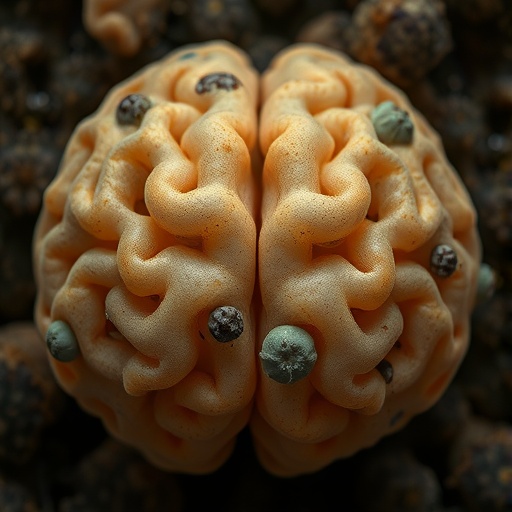
In a groundbreaking study published recently in Acta Parasitologica, researchers from Lithuania have unveiled new insights into the prevalence and molecular characteristics of Sarcocystis glareoli, a parasitic protozoan, within the brain tissues of small wild mammals. This research not only deepens our understanding of the infection dynamics of this parasite but also opens new doors for studying host-parasite interactions in wildlife, potentially influencing ecological and zoonotic disease perspectives.
Sarcocystis species, notorious for their complex life cycles involving both intermediate and definitive hosts, are of significant parasitological interest due to their impact on animal health and occasional zoonotic potential. S. glareoli, specifically, has been less characterized in comparison to other species, partly due to challenges in detecting and identifying this parasite in wildlife. The Lithuanian team’s approach focused on screening brain tissues of small mammals, an innovative angle that bypasses traditional methods that primarily target muscle tissues where cysts are typically found.
The methodology implemented was meticulous and heavily reliant on advanced molecular diagnostics. Using brain samples collected from rodent species native to various habitats across Lithuania, researchers employed polymerase chain reaction (PCR) techniques targeting specific genetic markers associated with S. glareoli. This molecular characterization included sequencing of mitochondrial cytochrome c oxidase subunit I (cox1) and small subunit ribosomal RNA (SSU rRNA) genes, enabling precise identification and differentiation from closely related Sarcocystis species.
A remarkable finding from this study was the unexpectedly high prevalence of S. glareoli DNA detected in brain tissues. This challenges the traditional understanding of the parasite’s predilection for muscle tissue, suggesting that the brain might serve as an additional or even primary site of infection in certain small mammal hosts. Such discoveries elicit further questions regarding parasite migration, tissue tropism, and the implications for host physiology and behavior.
Molecular data revealed distinct haplotypes of S. glareoli circulating among these mammalian populations, pointing to a complex epidemiological landscape. The genetic diversity observed signifies multiple infection sources or strain variations, which may influence pathogenicity and transmission patterns. The research team elaborated on the evolutionary lineage of these isolates, comparing sequences to known Sarcocystis species, thereby situating S. glareoli within the broader phylogenetic framework of this genus.
The ecological implications of these findings are profound. Small mammals play pivotal roles in ecosystem functioning and serve as reservoirs for various pathogens. Understanding the prevalence and molecular diversity of parasites like S. glareoli in these hosts provides essential clues about parasite ecology, potential environmental drivers of infection, and risks posed to other wildlife or domestic animals.
One aspect underscored in the study is the potential impact of S. glareoli infection on the neurological health of infected small mammals. Although clinical manifestations were not the direct focus, the presence of the parasite in brain tissue invites speculation about possible behavioral or neurological alterations that might affect survival and ecological interactions. This dimension invites interdisciplinary research integrating parasitology with neurobiology and ecology.
From a methodological standpoint, the study represents a leap forward in wildlife parasitology. The integration of molecular tools with targeted tissue sampling allowed unprecedented sensitivity in detecting infections that might otherwise remain unnoticed using traditional histopathological approaches. This sets a precedent for future surveillance studies, particularly in understanding parasite life cycles and emerging disease threats.
The geographic focus on Lithuania adds significant value, providing a regional blueprint that could be contrasted against data from other parts of Europe and beyond. The country’s diverse habitats and wildlife populations render it an ideal natural laboratory to assess the dynamics of such parasitic infections. Further comparative studies might reveal biogeographical patterns influencing Sarcocystis prevalence across different ecological zones.
Importantly, the use of brain samples as the diagnostic material challenges existing paradigms and could recalibrate parasite surveillance protocols worldwide. This methodological innovation may be especially crucial given the difficulties in accessing muscle tissues in live-caught specimens or in instances where muscle cysts are absent or scarce.
The implications for public health, while not directly addressed, cannot be dismissed outright. Sarcocystis species are known to infect a variety of hosts, including humans, either as incidental hosts or via zoonotic spillover. Comprehensive molecular characterization as accomplished here contributes foundational knowledge critical for risk assessment regarding potential transmission to humans or domestic animals.
Looking ahead, the authors suggest that their findings could catalyze further investigations into the life cycles of S. glareoli, particularly identifying definitive hosts responsible for parasite transmission in the wild. The genetic data presented may aid in tracking the source and movement of infections, thereby facilitating more targeted interventions or management strategies for wildlife diseases.
Moreover, this research exemplifies the power of interdisciplinary collaboration, merging field ecology, molecular biology, and parasitology to chart unknown territories of wildlife disease dynamics. It highlights the necessity of integrating advanced genetic techniques in ecological and veterinary parasitology for unveiling cryptic infections and understanding their broader implications.
In conclusion, this comprehensive molecular epidemiological study not only reveals the underestimated presence of Sarcocystis glareoli in the brains of small mammals but also paves the way for a reevaluation of parasite-host interactions within wildlife populations. Its findings resonate beyond the realm of parasitology, emphasizing the interconnectedness of ecosystem health, wildlife disease ecology, and potential zoonotic risks.
As science pushes the boundaries in understanding microscopic life and its complex relationships, studies like this remind us that even tiny parasites inhabiting unexpected niches can profoundly influence biological systems and deserve our attention. The work of Prakas, Bagdonaitė, Jasiulionis, and colleagues from Lithuania adds a vital chapter to this evolving story, stimulating curiosity and future research in the quest to map the hidden world of parasites.
Subject of Research: Molecular epidemiology and prevalence of Sarcocystis glareoli in brain tissues of small wild mammals in Lithuania.
Article Title: Prevalence and Comprehensive Molecular Characterization of Sarcocystis glareoli from Brain Samples of Small Mammals Captured in Lithuania.
Article References:
Prakas, P., Bagdonaitė, D.L., Jasiulionis, M. et al. Prevalence and Comprehensive Molecular Characterization of Sarcocystis glareoli from Brain Samples of Small Mammals Captured in Lithuania. Acta Parasit. 71, 26 (2026). https://doi.org/10.1007/s11686-025-01181-1
Image Credits: AI Generated
DOI: https://doi.org/10.1007/s11686-025-01181-1
Tags: advanced molecular diagnosticsbrain tissue infection dynamicsecological impact of parasiteshost-parasite interactions in wildlifeLithuanian small mammalsmolecular characterization of parasitesparasitology research methodspolymerase chain reaction techniquesrodent species in LithuaniaSarcocystis glareoli prevalencewildlife disease monitoringzoonotic disease perspectives