• HOME
  • NEWS
  • EXPLORE
    • CAREER
      • Companies
      • Jobs
    • EVENTS
    • iGEM
      • News
      • Team
    • PHOTOS
    • VIDEO
    • WIKI
  • BLOG
  • COMMUNITY
    • FACEBOOK
    • INSTAGRAM
    • TWITTER
Friday, December 19, 2025
BIOENGINEER.ORG
No Result
View All Result
  • Login
  • HOME
  • NEWS
  • EXPLORE
    • CAREER
      • Companies
      • Jobs
        • Lecturer
        • PhD Studentship
        • Postdoc
        • Research Assistant
    • EVENTS
    • iGEM
      • News
      • Team
    • PHOTOS
    • VIDEO
    • WIKI
  • BLOG
  • COMMUNITY
    • FACEBOOK
    • INSTAGRAM
    • TWITTER
  • HOME
  • NEWS
  • EXPLORE
    • CAREER
      • Companies
      • Jobs
        • Lecturer
        • PhD Studentship
        • Postdoc
        • Research Assistant
    • EVENTS
    • iGEM
      • News
      • Team
    • PHOTOS
    • VIDEO
    • WIKI
  • BLOG
  • COMMUNITY
    • FACEBOOK
    • INSTAGRAM
    • TWITTER
No Result
View All Result
Bioengineer.org
No Result
View All Result
Home NEWS Science News Biology

Root bacteria could help defeat fatal citrus disease

Bioengineer by Bioengineer
December 16, 2020
in Biology
Reading Time: 2 mins read
0
IMAGE
Share on FacebookShare on TwitterShare on LinkedinShare on RedditShare on Telegram

$10 million project hunts underground for keys to trees’ health
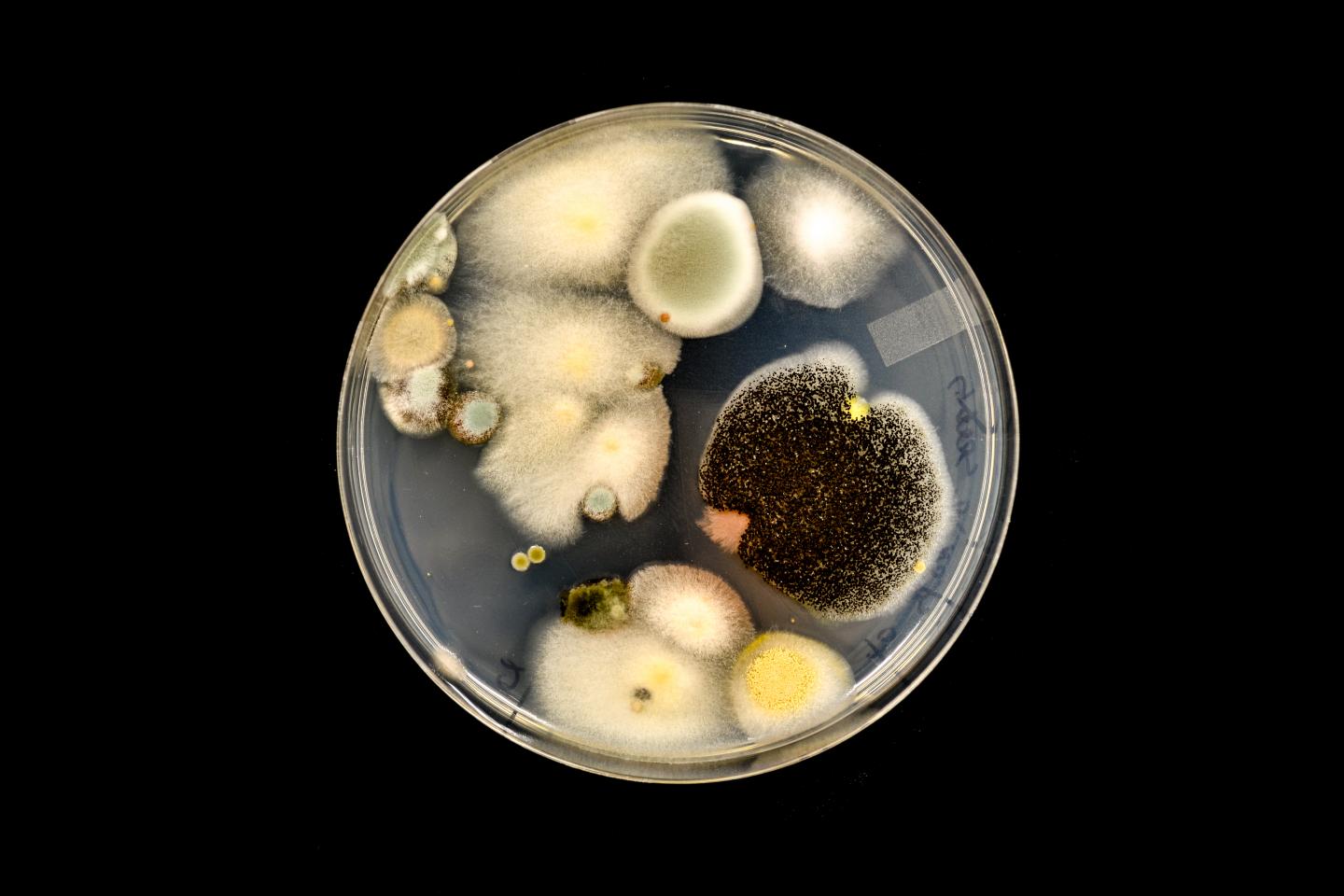
IMAGE

Credit: Nichole Ginnan/UCR

A UC Riverside-led team is looking at tiny underground microorganisms for a way to prevent a huge problem — Huanglongbing, a disease for which there is no cure that has decimated citrus orchards worldwide.

The disease, also known as HLB or citrus greening, has multiple names but the same ultimate result: bitter and worthless citrus fruits. By some estimates, the end of citrus orchards in California and Florida could amount to $14 billion in lost commercial revenue.

“Often times, it is thought of as an above-ground disease of the fruits, leaves, and stems,” said Caroline Roper, plant pathology professor and director of the new research effort. “However, we have seen the roots of trees decline with infection, and we want to understand why.”

The National Institute of Food and Agriculture has awarded the UCR-led team $10 million over the next five years to investigate the role of soil and root microbes in the disease.

Roper said data from previous studies shows the microbiome of the infected tree — which includes bacteria and fungi as well as protozoa and viruses — plays a role in the disease.

“We have seen a shift in the root microbiome as trees get sicker,” she said.

The microbiomes shift to contain more potentially parasitic organisms that may act as secondary invaders to a tree that is suffering from HLB, according to Roper. The invasion of these root pathogens may be causing trees to die faster when they have HLB.

Part of this new research effort will test whether soil amendments like manure and compost might suppress parasitic microorganisms in the roots as well as the soil, and give the trees more strength to combat diseases including HLB.

In addition, the research team will try to determine the molecular basis of HLB resistance shown by citrus root stocks developed in Florida. They’ll then see how those rootstocks perform in California, which has different soil and climate conditions.

The research team will examine both younger trees, because a lot of citrus growers have had to re-plant their orchards after infection, as well as older trees to see if mature groves can recover.

It will also be important to note how well root stocks from Florida, where there has been a heavy infestation of HLB, perform in California, where much less of the disease has been detected.

“One of the great things about this grant is that we’re able to leverage existing field trials being done by our collaborators in Florida and at the UC’s Lindcove Research and Extension Center in central California,” Roper said. “This may lead to faster results that we’d otherwise have had.”

###

Collaborators on the project include UC Davis; California State University, Sacramento; the University of Florida; and the U.S. Department of Agriculture’s Agricultural Research Service in Ft. Pierce, Florida.

Media Contact
Jules Bernstein
[email protected]

Original Source

https://news.ucr.edu/articles/2020/12/16/root-bacteria-could-help-defeat-fatal-citrus-disease

Tags: Agricultural Production/EconomicsAgricultureBacteriologyBiologyFood/Food ScienceMicrobiologyPlant Sciences
Share12Tweet8Share2ShareShareShare2

Related Posts

Choosing Models: Linking Cat Intake to Socioeconomics

Choosing Models: Linking Cat Intake to Socioeconomics

December 19, 2025
Unraveling Proanthocyanidin Gene LAR’s Evolutionary Journey

Unraveling Proanthocyanidin Gene LAR’s Evolutionary Journey

December 19, 2025

Streptococcus Protein Triggers PBP1a for Cell Division

December 19, 2025

Redefining Sex in Science: Three Rigid Frameworks

December 19, 2025
Please login to join discussion

POPULAR NEWS

  • Nurses’ Views on Online Learning: Effects on Performance

    Nurses’ Views on Online Learning: Effects on Performance

    70 shares
    Share 28 Tweet 18
  • NSF funds machine-learning research at UNO and UNL to study energy requirements of walking in older adults

    70 shares
    Share 28 Tweet 18
  • Unraveling Levofloxacin’s Impact on Brain Function

    53 shares
    Share 21 Tweet 13
  • MoCK2 Kinase Shapes Mitochondrial Dynamics in Rice Fungal Pathogen

    72 shares
    Share 29 Tweet 18

About

We bring you the latest biotechnology news from best research centers and universities around the world. Check our website.

Follow us

Recent News

Connecting Individual and Community Health Insights: A Study

RECQL4 Mutations Impact Helicase Function and Chemotherapy Response

Assessing ICU Nurses’ Nutritional Care Skills in China

Subscribe to Blog via Email

Enter your email address to subscribe to this blog and receive notifications of new posts by email.

Join 70 other subscribers
  • Contact Us

Bioengineer.org © Copyright 2023 All Rights Reserved.

Welcome Back!

Login to your account below

Forgotten Password?

Retrieve your password

Please enter your username or email address to reset your password.

Log In
No Result
View All Result
  • Homepages
    • Home Page 1
    • Home Page 2
  • News
  • National
  • Business
  • Health
  • Lifestyle
  • Science

Bioengineer.org © Copyright 2023 All Rights Reserved.