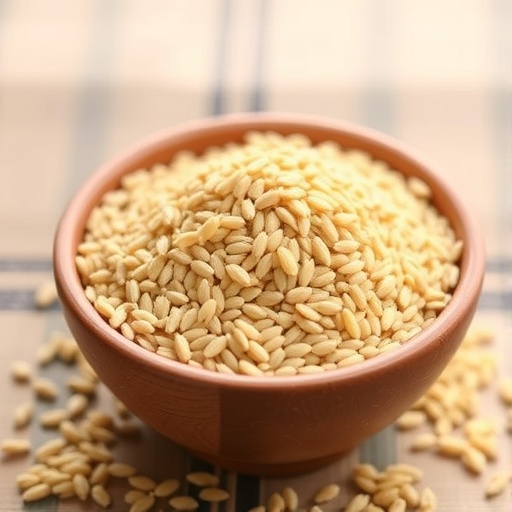
In a landmark study that sheds new light on the intersection of nutrition and viral infection, researchers have found that oral supplementation of fermented rice bran significantly suppresses viral replication while boosting immune functions. Conducted by a team led by K. Hayashi, the study focuses on both immunocompetent and immunocompromised mouse models infected with the influenza virus. This research opens new avenues for potential dietary interventions in viral infections and underscores the importance of gut microbiota in immune reactions.
The study employed a rigorous methodology wherein laboratory mice were systematically divided into groups based on their immune competency. The researchers aimed to elucidate how dietary interventions could either support or enhance immune responses against a common viral adversary such as the influenza virus. Through careful experimentation and observation, the team was able to generate a significant amount of data that underscores the role of fermented rice bran in mitigating viral activity.
Fermented rice bran, a byproduct of rice processing, is rich in bioactive compounds such as phenolics, flavonoids, and dietary fibers. The fermentation process enhances the bioavailability of these compounds, making them more accessible for absorption and utilization by the body. The researchers hypothesized that these bioactive compounds could play a pivotal role in modulating immune responses and inhibiting viral replication. Their hypothesis was critically tested through a series of in vivo experiments which revealed notable results.
One of the most striking findings of this research was the marked reduction in viral load in both immunocompetent and immunocompromised mice that received the fermented rice bran supplementation. The antiviral effects were attributable to a multifaceted mechanism where the compounds derived from rice bran were shown to enhance the production of interferons, vital proteins that help orchestrate the immune response. This enhancement not only curtailed the viral replication but also fortified the immune defenses of the host.
Moreover, the study highlighted the significant impact of fermented rice bran on other immune parameters such as the proliferation of lymphocytes and the production of cytokines. In response to the influenza virus, key immune cells like T-cells and B-cells increased in numbers and activity among mice receiving the supplementation as opposed to those that did not. This suggests that fermented rice bran may indeed serve as a functional food that enhances immune resilience during viral challenges.
In the context of immunocompromised individuals, the findings are particularly promising; the ability to stimulate immune response in this group could revolutionize nutritional strategies for enhancing health outcomes. Many individuals with compromised immune systems are at heightened risk for severe complications from viral infections, and conventional treatments can often fall short. The supplementation of fermented rice bran as a dietary approach presents a novel, adjunct therapeutic strategy for better managing such health scenarios.
The implications of these findings extend beyond just basic science. They could guide future clinical research on dietary interventions aimed at boosting antiviral immunity, especially in populations such as the elderly or those undergoing immunosuppressive therapies. Furthermore, the use of natural, food-based supplements is a more holistic approach compared to synthetic drugs, aligning with a growing trend in health and wellness that emphasizes preventive care.
In their conclusion, the authors call for further investigations to explore the precise mechanisms through which fermented rice bran exerts its antiviral effects. Future studies might delve deeper into understanding the types of microflora involved in the fermentation process and how these specific strains could interact synergistically with the immune system. This could lead to targeted formulations that maximize health benefits.
In summary, this research offers compelling evidence that dietary interventions, particularly the incorporation of fermented rice bran, can serve as a powerful tool in combating viral infections such as influenza. The promising results pave the way for innovative approaches in both preventive health and therapeutic strategies aimed at harnessing the body’s immune capabilities.
The importance of diet in health has garnered increasing recognition over the years, especially regarding its role in immune function. This study not only emphasizes this notion but also provides empirical evidence that foods can be functional, actively working to bolster our defenses against pathogenic invaders. As society continues to face ongoing challenges from various infectious diseases, the pursuit of nutritional solutions will remain a vital area of exploration.
This groundbreaking research not only advances our understanding of the link between nutrition and immunity but highlights the need for a shift in perspective regarding dietary habits. The efficacy of incorporating functional foods such as fermented rice bran into our diets could provide a crucial line of defense in the fight against viral infections. As public health approaches evolve, the focus on nutrition as a preventive measure may well become the cornerstone of a comprehensive strategy for health maintenance, especially in an era where viral outbreaks can occur in unprecedented veins.
With these new insights, we are reminded of the intricate relationship between what we consume and how our bodies respond to external threats. The mechanisms illuminated by this research not only underscore the importance of dietary inclusivity in modern healthcare but also articulate a new narrative in the ongoing conversation about health and wellness. Sustainable, holistic approaches to health, including the incorporation of traditional and fermented foods, may very well shape the future of healthcare strategies aimed at infectious disease prevention.
Moreover, continued research in this field could highlight specific populations that would benefit the most from such interventions, paving the way for personalized dietary recommendations tailored to individual immune profiles. As science continues to unravel the complexities of the human immune system and its interactions with our diet, the transformative potential of such findings could catalyze a revolution in how we understand and implement health practices centered around nutrition.
In summary, this study serves as a critical reminder that our dietary choices significantly affect not only our health but also how we respond to illnesses. The use of food as medicine is gradually gaining traction, and studies like this one reinforce the idea that what we eat plays a crucial role in shaping our immune system’s battle against viruses like influenza.
This research accentuates the ever-evolving narrative that connects nutrition with health outcomes, particularly in the domain of infectious diseases, thereby inviting scientists, medical professionals, and the general public to reconsider the power of what lies on our plates.
Subject of Research: Viruses, Immune Function, Nutrition
Article Title: Oral fermented rice bran supplementation suppresses viral replication and stimulates immune functions in immunocompetent and immunocompromised mice infected with influenza virus.
Article References:
Hayashi, K., Asai, S., Maehara, Y. et al. Oral fermented rice bran supplementation suppresses viral replication and stimulates immune functions in immunocompetent and immunocompromised mice infected with influenza virus.
BMC Complement Med Ther (2026). https://doi.org/10.1186/s12906-025-05240-y
Image Credits: AI Generated
DOI: 10.1186/s12906-025-05240-y
Keywords: fermented rice bran, viral replication, immune functions, influenza virus, dietary supplementation, immunocompetent, immunocompromised, nutrition
Tags: bioactive compounds in rice branboosting immune function naturallydietary fibers and viral resistancefermented rice bran immunitygut microbiota and immunityimmunocompetent vs immunocompromised modelsinfluenza virus dietary interventionsnutritional strategies for viral infectionsphenolics and flavonoids health effectsrice bran and immune responserice bran health benefitsviral replication suppression