In a pioneering advancement at the intersection of bioengineering and infectious disease therapeutics, Omid Veiseh, a prominent bioengineer at Rice University, has secured a $2.2 million grant from the Bill and Melinda Gates Foundation. This funding underpins an ambitious project to develop implantable cell factory platforms capable of delivering therapeutic antibodies continuously over remarkably extended durations—spanning two years or more. This innovation promises to revolutionize the administration of biologic therapies, particularly for infectious diseases such as HIV and malaria, by dramatically reducing the frequency of dosing required and potentially broadening access to these life-saving treatments in resource-limited settings globally.
The crux of this groundbreaking research lies in creating living “protein factories” that reside within the body, continuously producing monoclonal antibodies—one of the most potent tools in modern medicine for neutralizing pathogens. Currently, monoclonal antibodies, despite their widespread clinical use in combating diseases ranging from cancer to autoimmune disorders, rely heavily on frequent high-dose injections or intravenous infusions. These traditional modes of administration generate fluctuating drug concentrations, often leading to side effects linked to peak dosing, suboptimal patient adherence, and increased healthcare burdens. Veiseh’s approach aims to circumvent these limitations through implantable systems that ensure a sustained, steady-state delivery of therapeutic proteins.
The project builds on a foundation of prior successful experiments supported by the Gates Foundation. Earlier studies demonstrated that combining high-potency engineered cell lines with an innovative immunomodulatory hydrogel matrix allowed stable, year-long in vivo production of HIV-neutralizing antibodies in preclinical models. This breakthrough not only validated the concept of implantable living factories but also provided crucial insights into biocompatibility and the immune response modulation necessary for longevity and efficacy of such devices.
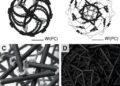
Addressing the critical engineering and biological challenges of sustained protein expression, Veiseh and his collaborators, including Michael Diehl from Northwestern University and Tulane University, have devised two complementary technological strategies. The first employs hydrogel capsules embedded with genetically engineered cells capable of producing antibodies. These soft, biocompatible capsules can be administered through simple subcutaneous injections, making them attractive for scalable preventive interventions against diseases like malaria, where seasonal prophylaxis is vital.
The second strategy involves wireless miniaturized biocompatible devices designed to support continuous antibody production for periods extending beyond four years. These devices represent a sophisticated integration of bioengineering and microelectronics, allowing not only the stable housing and nourishment of the living cell factories but also potential remote control and monitoring, a feature poised to transform chronic disease management involving HIV.
Such sustained delivery systems stand to dramatically shift clinical paradigms. By maintaining constant drug levels, they alleviate the burden of dosing schedules on patients and healthcare systems while improving therapeutic outcomes through continuous pathogen neutralization. This is particularly pertinent for infectious diseases prevalent in low- and middle-income countries, where healthcare infrastructure limitations hinder frequent dosing regimes and adherence.
Moreover, the strategy aligns closely with the Gates Foundation’s Global Access principles, emphasizing the importance of developing cost-effective, scalable manufacturing processes. The team is undertaking comprehensive cost-of-goods analyses to ensure these technologies can be produced and distributed affordably to populations in greatest need, an essential step toward equitable global health impact.
The implications of this research are far-reaching. Beyond infectious diseases, the technology’s modularity permits adaptation toward oncology and autoimmune disorders, where monoclonal antibodies also play transformative roles. The potential to embed living protein factories for long-term therapeutic production offers a paradigm shift in biologic drug delivery, enhancing efficacy, patient compliance, and accessibility on a global scale.
Rice University’s unique translational ecosystem, epitomized by the Rice Biotech Launch Pad accelerator helmed by Veiseh, provides a robust infrastructure for rapid development and commercialization. This environment facilitates bridging the gap between bench science and clinical application, promoting breakthroughs that can swiftly enter the healthcare market to benefit patients worldwide.
Rice University’s Bioengineering Department is a hub of innovative research, leveraging interdisciplinary expertise to tackle some of the most challenging medical problems. By harnessing advances in cellular engineering, biomaterials, and device fabrication, the team is redefining what is technically feasible in sustained biologic therapy.
The current collaboration spanning institutions and disciplines underscores the necessity of converging expertise in synthetic biology, immunology, and materials science for success. This integrated approach ensures comprehensive addressing of challenges such as oxygenation within implants, immune evasion, and device scalability—all critical factors for clinical translation.
If successful, Veiseh’s living protein factories could inaugurate a new era in the treatment and prevention of chronic and infectious diseases worldwide, definitively reducing the health disparities caused by limited access to advanced biologics. The ongoing work exemplifies how targeted bioengineering interventions can translate scientific innovation into accessible, life-altering therapies.
Subject of Research: Implantable platforms for long-term therapeutic antibody delivery.
Article Title: Living Protein Factories: Transforming Infectious Disease Therapy with Implantable Biologic Delivery Platforms.
News Publication Date: March 12, 2026.
Web References:
Rice University Bioengineering Faculty Profile: https://profiles.rice.edu/faculty/omid-veiseh
Rice Biotech Launch Pad: https://biotechlaunchpad.rice.edu/
RBL LLC: https://www.rbl-llc.com/
Keywords
Therapeutic antibodies, monoclonal antibodies, implantable devices, hydrogel capsules, HIV, malaria, protein factories, long-acting delivery, bioengineering, biologic therapeutics, global health, Gates Foundation.
Tags: Bill and Melinda Gates Foundation grantbioengineered implantable platformsbioengineering for global healthcontinuous monoclonal antibody deliveryHIV prevention and treatmentlong-acting cell factory implantsmalaria therapeutic innovationsmonoclonal antibody therapy advancementsprotein factory implants for medicinereducing dosing frequency in infectious diseasessustained biologic therapy releasetherapeutic antibody production in vivo