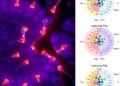
In recent years, the advent of spatial transcriptomics has revolutionized our understanding of gene expression within the intricate architecture of intact tissues. This field has intricately woven together the complexities of cellular dynamics, offering unprecedented insights into the spatial organization of biological systems. However, despite its advances, spatial transcriptomics has been hampered by a fundamental limitation: the coarse spatial resolution offered by current sequencing-based techniques. These approaches typically rely on clustered sampling of tissue, resulting in sizeable interspot regions that often go unmeasured, leaving significant gaps in our understanding of tissue heterogeneity and the cellular microenvironments that exist within them.
An innovative solution to these challenges has emerged with the introduction of PanoSpace, a robust computational framework specifically designed to integrate the relatively low-resolution outputs of spatial transcriptomics with high-resolution histological data and matched single-cell RNA sequencing (scRNA-seq). This groundbreaking approach enables researchers to construct continuous maps of gene expression at the single-cell level across entire tissue sections. By bridging the gap between coarse and fine spatial resolutions, PanoSpace has opened the door to a new realm of biological discovery, allowing for deeper explorations of tissue organization and cellular interactions.
Initially developed with a primary focus on tumor samples, PanoSpace has demonstrated remarkable efficacy in reconstructing the cellular landscape of various tissues. The platform meticulously delineates cellular locations, identifying unique cell types along with their specific gene expression profiles. This capacity to quantitatively assess intracell-type heterogeneity is paramount in understanding the complexities of cellular behavior in both healthy and diseased tissues, highlighting how distinct cell types dynamically interact within their microenvironments. The implications of this capability are profound, particularly in oncology, where understanding the cellular composition of tumors can inform therapeutic strategies and prognostic outcomes.
The application of PanoSpace in the investigation of breast and prostate cancers has unveiled intricate cellular architectures previously obscured by conventional spatial transcriptomics. For example, detailed analyses have revealed the nuanced dynamics of cancer-associated fibroblasts (CAFs), a cell type traditionally marginalized in cancer research. These fibroblasts are not just passive bystanders; rather, they exhibit active roles in modulating the tumor microenvironment, influencing everything from cancer cell proliferation to immune evasion. By accurately mapping these interactions, PanoSpace empowers researchers to discern the intricacies of tumor-host interactions, potentially paving the way for targeted interventions.
Beyond its utility in cancer research, PanoSpace’s modular design allows for its application in a variety of non-cancerous tissues. This versatility was recently showcased in studies involving mouse brain tissues, wherein PanoSpace facilitated precise spatial reconstruction of gene expression patterns within complex neural landscapes. By offering insights into the spatial arrangements of different cell types within the brain, researchers can better understand neurobiology and the pathological basis of neurological diseases. This adaptability illustrates PanoSpace’s significant potential across diverse biological domains, promising to enrich our interpretations of tissue function and its variations across health and disease.
The integration of high-resolution histology with spatial transcriptomics is particularly noteworthy, as it synergistically enhances the contextual richness of the data generated. Histological techniques have long been a cornerstone of tissue analysis, providing detailed cellular morphology and structural insights. With PanoSpace, these traditional histological approaches mesh seamlessly with cutting-edge transcriptomic data, creating a harmonious blend of form and function. This union allows scientists to visualize not just where cells are located, but also how their transcriptional profiles reflect their microenvironmental conditions and biological roles.
Moreover, the computational backbone of PanoSpace cannot be overlooked. Advanced algorithms and data processing methodologies underpin its capacity to analyze, integrate, and visualize complex datasets. By leveraging machine learning and artificial intelligence, PanoSpace can efficiently distill vast amounts of biological information, allowing researchers to focus on interpreting the biology rather than getting bogged down in data analysis. This computational prowess enables the platform to scale effectively, facilitating the analysis of large tissue sections without sacrificing resolution.
As researchers continue to explore the capabilities of PanoSpace, the insights gained are expected to redefine our understanding of cellular interactions and the underlying mechanisms of disease. Its ability to unveil cellular heterogeneity and map the intercellular dialogues that occur within tissues positions it as a vital tool in both basic and applied biological research. This is particularly crucial in the field of precision medicine, where understanding the unique cellular compositions of individual patients’ tumors can inform personalized treatment strategies, potentially leading to more favorable outcomes.
In conclusion, the emergence of PanoSpace marks a significant milestone at the intersection of computational biology and tissue analysis. By facilitating comprehensive spatial transcriptomic studies, it offers a transformative lens through which we can explore the complexities of biological tissues, from tumors to healthy organs. The ongoing exploration of PanoSpace is just beginning, and as its applications continue to expand, the potential for profound biological discoveries grows exponentially. This innovative framework represents not just a new tool for researchers but a pivotal advancement in the quest to understand the fundamental principles governing the interplay of genes, cells, and tissues.
PanoSpace’s capabilities underscore the importance of integrating various data types in modern biosciences. As researchers harness its power, we may witness a paradigm shift in how we study and interpret the complexities of life’s molecular underpinnings. By bridging gaps between existing methodologies and enhancing our capacity to retrieve and analyze biological data, PanoSpace stands to revolutionize our approach to understanding not only cancer biology but the multifaceted nature of human health and disease.
With this exciting development in spatial transcriptomics, researchers are encouraged to rethink traditional methodologies and embrace innovative computational models like PanoSpace. The era of precise, continuous cellular mapping is upon us, offering the promise of richer insights into the fabric of life itself. The future is bright, and with PanoSpace, the journey to uncover the mysteries of gene expression and cellular interaction is poised to accelerate dramatically.
As the scientific community continues to leverage the transformative potential of PanoSpace, the ramifications could extend far beyond bench research. The knowledge gleaned from these investigations will likely inform clinical practices and public health strategies, emphasizing the real-world impact of these scientific advancements. By fostering a collaborative spirit between computational scientists, biologists, and clinicians, PanoSpace exemplifies a model for how integrative approaches can address the pressing challenges of human health today and in the future.
Ultimately, PanoSpace represents a beacon of hope for future discoveries in the field of spatial transcriptomics and beyond. Its innovative approach melds powerful computational techniques with biological understanding, emphasizing the beauty of harmonizing technology and life sciences. As we stand on the cusp of deeper insights into the spatial dynamics of gene expression, the future of biomedical research is brighter than ever, inviting researchers to embark on exciting new pathways of discovery.
Subject of Research: Spatial transcriptomics and tissue mapping with PanoSpace.
Article Title: Unlocking single-cell level and continuous whole-slide insights in spatial transcriptomics with PanoSpace.
Article References:
He, HF., Peng, P., Yang, ST. et al. Unlocking single-cell level and continuous whole-slide insights in spatial transcriptomics with PanoSpace.
Nat Comput Sci (2026). https://doi.org/10.1038/s43588-025-00938-y
Image Credits: AI Generated
DOI: https://doi.org/10.1038/s43588-025-00938-y
Keywords: spatial transcriptomics, PanoSpace, single-cell RNA sequencing, tumor microenvironment, cancer, histology.
Tags: bridging coarse and fine spatial resolutionscellular dynamics in tissuesgene expression mapping techniqueshigh-resolution tissue analysisinnovative biological discovery methodsinsights into cellular microenvironmentsPanoSpace computational frameworksingle-cell RNA sequencing integrationspatial organization of biological systemsspatial transcriptomics advancementstissue heterogeneity explorationtumor sample analysis