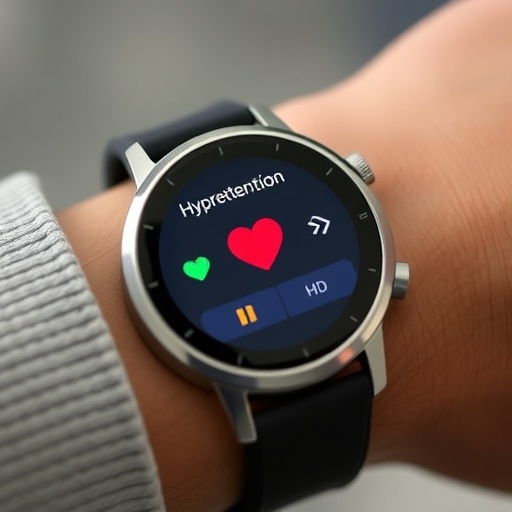
In the ever-evolving landscape of health technology, the emergence of wearable devices has transformed how individuals monitor their well-being. Among these innovations, smartwatches equipped with hypertension notification features have garnered significant attention. A recent cross-sectional study investigates the profound implications of this capability for U.S. adults who, as of yet, remain undiagnosed with hypertension. The device’s ability to alert users about potential hypertension could empower millions to take charge of their health proactively.
Hypertension, often deemed the silent killer, affects a staggering portion of the adult population, leading to adverse health outcomes such as cardiovascular disease and stroke. What’s particularly alarming is the prevalence of undiagnosed hypertension, with many individuals completely unaware of their condition until serious health issues arise. The study underscores the critical role smartwatches might play in bridging the gap between technology and personal health management.
The findings point to an intriguing possibility: by sending notifications regarding elevated blood pressure levels directly to users, smartwatches could initiate conversations about hypertension and motivate users to seek medical advice. The proactive approach that smartwatches offer could potentially transform the trajectory of hypertension management, encouraging individuals to adopt healthier lifestyles or engage in routine health screenings.
Moreover, this technology addresses the common barriers associated with hypertension diagnosis and management, such as healthcare accessibility and patient awareness. With smartwatches, continuous monitoring becomes feasible and non-invasive, allowing users to keep track of their blood pressure in real-time. As such, individuals might feel more inclined to take immediate action based on their smartwatch readings, leading to early detection and more effective interventions.
The research highlights the significance of user engagement and the psychological impacts of wearable device notifications. How individuals respond to these alerts can have varying degrees of impact on their health decisions. The positive reinforcement provided by timely notifications could enhance users’ healthcare engagement, leading to more informed lifestyle choices and increased compliance with recommended medical advice.
Furthermore, the potential economic implications of widespread smartwatch usage for hypertension monitoring cannot be overlooked. Reduced incidence of severe hypertension-related complications could lead to decreased healthcare costs, benefitting both individuals and the healthcare system at large. Proactive interventions spurred by timely notifications might not only save lives but also reduce the burden on healthcare resources.
As technology continues to advance, the future of health monitoring through wearables seems promising. The ability to integrate such features into daily life could facilitate a shift towards preventive healthcare, where individuals are not merely responding to health challenges but actively working to prevent them. This paradigm shift could ultimately lead to a healthier population, better equipped to handle potential health issues before they escalate.
However, the study also raises important questions regarding privacy and data security, particularly concerning sensitive health information. As more individuals begin to rely on technology for health monitoring, the protection of personal data becomes paramount. Ensuring that these platforms comply with stringent health data regulations is essential for maintaining user trust and confidence.
The introduction of hypertension notification features in smartwatches represents a significant step towards personalized health management. As more studies emerge, the implications of this technology will continue to unfold. The synthesis of health data and technology could lead to groundbreaking innovations that redefine healthcare delivery and empower patients.
In conclusion, the intersection of smart technology and public health represents a frontier brimming with potential. The findings of this study offer a glimpse into the future of hypertension management, underscoring the critical need for technology that not only informs but also empowers individuals. As smartwatches become commonplace, the prospect of reducing the incidence of undiagnosed hypertension may soon transition from aspiration to reality.
The research indicates that the implementation of smartwatch notifications could act as a pivotal intervention for public health, fostering a culture of awareness and responsiveness. With continued advancements in wearable technology and ongoing research, the potential for smartwatches to contribute to better health outcomes is boundless.
The commitment to improving public health through technology exemplifies a crucial chapter in the quest for comprehensive healthcare solutions. As this narrative unfolds, it becomes increasingly clear that innovative tools such as smartwatches could redefine how we approach management and prevention of chronic diseases like hypertension.
In summary, the study shines a light on an innovative approach to addressing a significant healthcare concern. By exploring the impact of smartwatch notification features for undiagnosed hypertension, researchers are providing valuable insights that may lead to more effective health management strategies in the future.
Subject of Research: The impact of smartwatch hypertension notification features for U.S. adults.
Article Title: Not specified in the original content.
News Publication Date: Not specified in the original content.
Web References: Not specified in the original content.
References: Not specified in the original content.
Image Credits: Not specified in the original content.
Keywords
Hypertension, Smartwatches, Health Technology, Prevention, Chronic Diseases, Public Health, Personal Health Management, Wearable Devices, Healthcare Engagement, User Notifications.
Tags: benefits of wearable devices for healthcardiovascular disease preventionhealth monitoring through smartwatcheshypertension awareness and educationimproving hypertension diagnosis rateslifestyle changes for hypertension managementproactive health management toolssmartwatch hypertension notificationstechnology in personal health careundiagnosed hypertension in adultswearable health technologywearable technology and public health