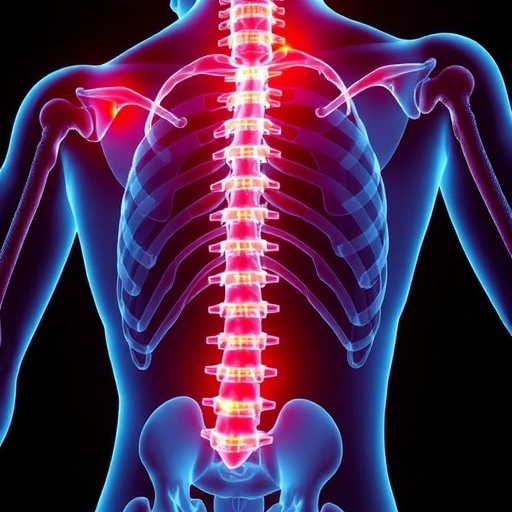
In a groundbreaking study, Rasouli and Wenke delve into the complexities of growth plate injuries, an area of substantial clinical significance that has seen limited advancement in treatment methodologies. The growth plate, or epiphyseal plate, is crucial for long bone growth and development in children and adolescents. When these growth plates are damaged—whether due to traumatic injuries, fractures, or congenital disorders—there can be long-lasting implications on bone length and overall limb functionality. This vulnerability makes it imperative for the medical community to develop effective regenerative solutions to mend these critical areas, thus ensuring optimal growth and healing.
The existing treatments for injuries to the growth plate have remained relatively rudimentary. Standard approaches often include casting, immobilization, and in severe cases, surgical intervention. However, these interventions do not adequately address the underlying biological mechanisms that facilitate growth and repair. As such, there is an urgent need for a paradigm shift in how we approach these injuries. Rasouli and Wenke argue that leveraging advances in regenerative medicine could pave the way for revolutionary treatment options that can effectively restore the integrity of the growth plate.
One of the most promising avenues of research highlighted in the paper is the exploration of stem cell therapies. Stem cells possess the unique capability to differentiate into multiple cell types, making them a potential solution for regenerating the damaged tissues within the growth plate. Researchers are investigating various types of stem cells, including mesenchymal stem cells (MSCs) derived from bone marrow and adipose tissue. These cells can be manipulated to enhance their regenerative properties, thereby amplifying their effectiveness in repairing the growth plate.
Moreover, the paper discusses the role of biomaterials in creating a supportive environment for stem cells. The integration of biomimetic scaffolds made of natural or synthetic materials could provide the necessary architectural structure for the growth plate. These scaffolds can be engineered to release growth factors and cytokines that encourage cell proliferation and differentiation, effectively mimicking the natural extracellular matrix found in healthy cartilage. This innovative approach could dramatically improve the outcome of regenerative therapies.
Furthermore, Rasouli and Wenke emphasize the importance of understanding the mechanical environment of the growth plate. The complex interplay of mechanical forces during growth and development necessitates a multidisciplinary approach that combines engineering principles with biological insights. Biomechanical studies could help determine how altered loads may affect growth plate behavior, enhancing the development of treatment strategies that restore normal biomechanics post-injury.
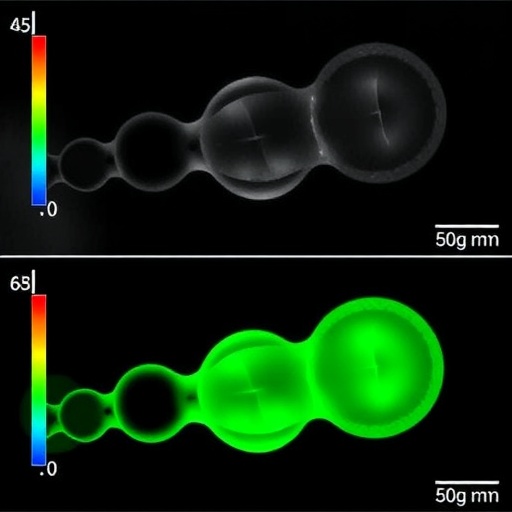
Advanced imaging techniques are also highlighted as pivotal in understanding growth plate injuries. High-resolution imaging can provide detailed insights into the structural changes that occur following injury and can be instrumental in monitoring healing progress. By combining imaging modalities with advanced computational modeling, researchers can gain a deeper understanding of the biomechanical and biological dynamics at play, leading to better-targeted therapies.
The paper also identifies the necessity of patient-specific treatment modalities. Since growth plate injuries can vary widely depending on age, injury type, and individual patient characteristics, personalized approaches could significantly enhance treatment efficacy. This may include tailoring cell therapies based on individual biological responses or utilizing 3D printing technologies to develop customized scaffolds that cater to the specific needs of each patient.
Another critical point discussed is the potential integration of gene therapy to further enhance the regenerative capacity of stem cells. By introducing specific genes that promote cartilage growth and repair, researchers aim to genetically modify stem cells to increase their efficacy when applied to the growth plate. This novel combination of gene therapy and stem cell innovations presents an exciting frontier in regenerative medicine.
In addition, there is a growing interest in utilizing exosomes, nano-sized vesicles released by cells, as therapeutic agents. Exosomes carry bioactive molecules that can facilitate cell communication and promote healing. Harnessing these biological tools represents another significant advancement in the efforts to tackle growth plate injuries, opening up new avenues for less invasive and highly effective treatment options.
The ethical implications of new regenerative techniques are also a concern. As this field evolves, ensuring the safety and efficacy of these emerging therapies will be crucial. Thorough clinical trials must be conducted to understand the long-term outcomes of such interventions. Patients and families must be informed of the potential risks and benefits to make educated choices about their treatment.
Finally, the paper encourages collaborative efforts among researchers, clinicians, and industry professionals to accelerate the development of regenerative treatments for growth plate injuries. By pooling resources and expertise, the medical community can better address the challenges posed by these injuries and work toward tangible solutions that enhance patient care and quality of life.
Rasouli and Wenke conclude that the future of regenerative medicine holds incredible promise for those suffering from growth plate injuries. While significant research and development are still needed, the advancements discussed in their study represent a hopeful horizon. By embracing innovation and fostering collaboration, the field can advance toward a future where growth plate injuries can be effectively managed and healed, restoring both function and quality of life to affected individuals.
Subject of Research: Growth Plate Injuries
Article Title: Growth Plate Injuries: Advances and Future Directions in Regenerative Medicine
Article References: Rasouli, M., Wenke, J.C. Growth Plate Injuries: Advances and Future Directions in Regenerative Medicine. Ann Biomed Eng (2025). https://doi.org/10.1007/s10439-025-03942-5
Image Credits: AI Generated
DOI: https://doi.org/10.1007/s10439-025-03942-5
Keywords: Regenerative Medicine, Growth Plate Injuries, Stem Cells, Biomaterials, Gene Therapy
Tags: bioengineering in orthopedicsclinical significance of growth plate researchepiphyseal plate healing strategiesgrowth plate injuries treatmentimplications of growth plate injuriesimproving limb functionality after injuryinnovative regenerative therapieslong bone growth developmentpediatric bone injury managementregenerative medicine advancementsstem cell therapy for injuriestraumatic growth plate damage solutions