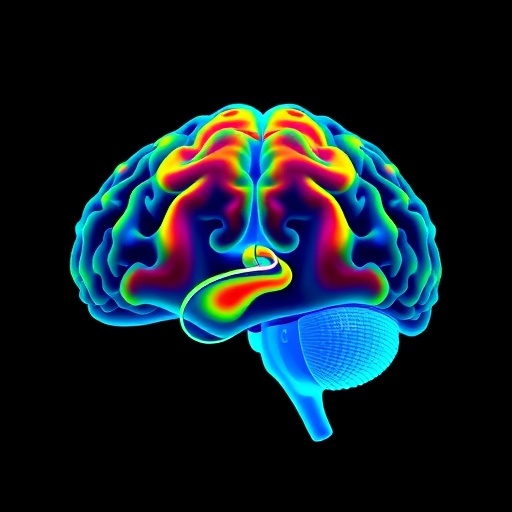
Scientists and engineers across various fields are witnessing a transformative shift, as advanced technologies matter more than ever in healthcare and, specifically, in life-threatening situations such as brain tumors. A groundbreaking study led by prominent researchers, including Uniyal, Saini, and Singh, emphasizes the development and accuracy of automated brain tumor detection using sophisticated deep learning algorithms. The research, published in Discov Artif Intell, not only highlights the monumental progress made in artificial intelligence but also sets the stage for the future of medical diagnostics.
At the heart of so many innovations today is the field of deep learning, a subset of machine learning that leverages neural networks with many layers to analyze vast amounts of data. The authors of the study explain how deep learning models can analyze medical imaging, which often includes MRI and CT scans, to identify malignancies at an unprecedented speed and accuracy. The extensive dataset utilized in this research, comprising thousands of labeled images, provided the neural networks with a robust foundation for training, allowing them to learn complex patterns associated with brain tumors.
What sets this research apart is its comprehensive approach to model training and validation. The team employed a diverse range of imaging techniques to ensure that the model’s ability to detect tumors was not solely reliant on one type of scan. By integrating various imaging modalities, the researchers created a more resilient and capable detection model. In today’s world, where varying imaging techniques can affect diagnoses, having a multi-faceted approach often leads to improved performance. This methodological rigor is what could help elevate automated diagnostic tools in clinical settings.
The results of their study are astonishing. The deep learning model demonstrated a diagnostic accuracy that significantly surpassed traditional methods, particularly for smaller and less conspicuous tumors that may be overlooked by human radiologists. This kind of achievement could substantially change the landscape of neuro-oncology, where early detection is crucial for successful treatment outcomes. The model’s ability to deliver results in real-time suggests that doctors could provide immediate feedback to patients, crucial in settings where time is of the essence.
Moreover, the researchers have taken great care to address the ethical considerations surrounding the deployment of automated diagnostic systems. One of the key points in their findings is the importance of maintaining a human-centered approach. The goal is not to replace radiologists but to augment their capabilities, ensuring that doctors can focus their expertise where it is most needed. Ethical guidelines, therefore, should be embedded in the deployment process to mitigate risks and to foster a collaborative environment between machines and medical professionals.
As healthcare professionals increasingly turn to technology, the study’s implications extend far beyond brain tumors. The researchers indicated that their findings could easily be adapted for other forms of cancer detection and even different medical fields, such as cardiology or dermatology. The universal applicability of deep learning suggests a future where cross-disciplinary solutions may become commonplace in medical diagnostics, enhancing the accuracy and efficiency of patient care across various domains.
However, the path toward ubiquitous implementation of such advanced technologies is not without challenges. There are significant hurdles in standardizing data formats, ensuring patient privacy, and obtaining regulatory approval for new algorithms in clinical settings. The team highlighted the necessity for collaborative efforts among data scientists, medical professionals, and regulatory bodies to navigate these complexities. A streamlined approach could expedite the adoption of such technologies, ultimately benefitting patients through quicker and more accurate diagnoses.
In practical applications, the real-world testing of these models hinges on partnerships with hospitals and research institutions willing to pioneer pilot programs. Such collaborations are essential for refining the algorithms based on feedback from real clinical environments. By collaborating with healthcare professionals, researchers hope to identify limitations and enhance the model’s functionality to ensure it meets clinical needs and performances in diverse settings.
The authors also stressed the importance of ongoing research and development in this area. As more data becomes available and as algorithms advance, the potential for deep learning in detecting and diagnosing brain tumors will only increase. Continuous training of these models on new data can instill greater precision and reliability, further mitigating risks associated with false negatives or positives—critical factors in life-threatening conditions.
The research by Uniyal et al. paves an inspiring path forward. In a world overwhelmed by technological advancements and ongoing healthcare challenges, the promise of using advanced deep learning models to automate brain tumor detection instills hope. Moving forward, as healthcare ratifies the integration of such models, the collaboration among disciplines will be fundamental. With continued exploration, innovation, and adaptation, this work could save countless lives, underscoring the role of technology in the fight against cancer.
In conclusion, the study led by Uniyal, Saini, and Singh represents a potent intersection of artificial intelligence and medical science. As we progress into an era filled with unprecedented technological capability, the prospect of an AI-driven future in healthcare beckons. The monumental findings from this study is a testament to what is possible when innovative minds converge on shared challenges. The journey might be complex, but the destination—one with improved patient outcomes and revolutionized diagnostics—is well worth the effort.
The world waits to see how these developments will reshape the future of healthcare and the lives of millions affected by brain tumors and beyond.
Subject of Research: Automated brain tumor detection using advanced deep learning models
Article Title: Automated brain tumor detection using advanced deep learning models
Article References:
Uniyal, M., Saini, C., Singh, D.P. et al. Automated brain tumor detection using advanced deep learning models. Discov Artif Intell (2026). https://doi.org/10.1007/s44163-025-00753-4
Image Credits: AI Generated
DOI: 10.1007/s44163-025-00753-4
Keywords: deep learning, brain tumor detection, artificial intelligence, medical imaging, diagnostics, neural networks.
Tags: advanced algorithms for tumor identificationArtificial Intelligence in Medicineautomated medical diagnosticsbrain tumor detectiondeep learning in healthcarefuture of diagnostic technologymachine learning applications in oncologymedical imaging innovationsMRI and CT scan analysisneural networks for imagingresearchers in brain tumor studiestraining deep learning models