


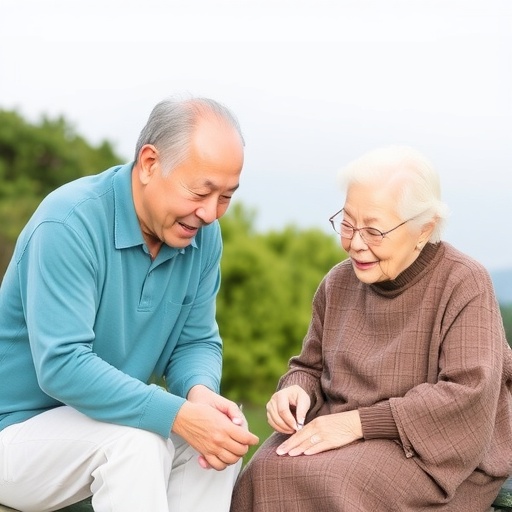
In a groundbreaking study that aims to revolutionize the approach to physical health among older adults, researchers have successfully developed a home and community-based multicomponent physical activity intervention program tailored specifically for Chinese seniors. The implications of such an initiative are immense, particularly as the global population ages and the need for effective and engaging health strategies increases. The study, led by Hua et al., suggests that it is entirely possible to enhance mobility, strength, and overall quality of life in older adults through structured physical activities performed in familiar environments.
The foundation of this research pivots on the understanding that maintaining physical activity is critical for older adults. Regular physical engagement not only combats the onset of age-related ailments but also fosters independence and social connection among seniors. By focusing on home and community settings, the intervention acknowledges the comfort and accessibility that familiar surroundings provide, thereby enhancing participation rates and the overall effectiveness of the program. This is a crucial insight, as many older adults face barriers when accessing traditional exercise programs, such as transportation issues or feelings of intimidation in gym environments.
In this comprehensive study, a range of physical activities are integrated into a coherent intervention strategy. These activities are designed not just to build physical strength, but also to encourage cardiovascular health, flexibility, and balance. Such a multifaceted approach ensures that various aspects of fitness are addressed, which is especially important given the diverse health challenges faced by the elderly. The program incorporates a mix of aerobic exercises, resistance training, and balance workouts, disseminated through easily modifiable sessions that cater to individual capabilities and preferences.
The feasibility of implementing this type of intervention program was carefully evaluated through a series of pilot tests. Participants reported increased levels of satisfaction and perceived benefits from engaging in the activities offered. These results are promising and reinforce the idea that community-based interventions can successfully motivate older adults to lead more active lifestyles. Not only does the study highlight the success of the intervention, but it also sheds light on social engagement benefits that arise when older adults participate in structured physical activities alongside peers.
The researchers stress that a significant part of the program’s success hinges on the involvement of community health workers and the leveraging of existing social support networks. By involving local resources and staff who are already familiar with the community, the program ensures continuity and builds trust with participants. This community integration is vital, as it establishes a holistic support system that promotes increased physical activity as part of everyday life rather than an isolated health initiative.
Furthermore, this intervention addresses the psychological barriers to exercise prevalent among older adults. Many seniors express concerns over safety and the fear of injury, which can hinder their willingness to engage in physical activities. By providing a safe, structured environment within their homes and communities, the program alleviates such fears. Participants can exercise at their own pace, and as their confidence builds, they might venture to participate in more physically demanding activities. This gradual progression can transform sedentary behaviors into active lifestyles without overwhelming participants.
The monthly follow-up and monitoring involved in the intervention also play a critical role in accountability. Regular assessments enable tailored modifications to the program, ensuring that it remains responsive to the evolving needs of participants. This personalized approach is essential in maintaining motivation and ensuring that seniors do not merely start the program but continue to engage with it. The feedback loop established through these check-ins allows for the identification of potential issues before they escalate, thereby supporting long-term commitment.
Moreover, the intervention encourages the use of technology to facilitate engagement. Digital tools such as mobile applications can be used to track progress, offering participants an engaging way to visualize their improvements and set goals. The integration of wearable fitness devices has also been explored within this program, further enhancing adherence to a consistent physical activity regimen. Using technology in this manner not only appeals to tech-savvy seniors but can also serve as an entry point for those less familiar with digital tools by providing straightforward instructions.
As the program approaches broader implementation, researchers emphasize the importance of adapting the strategies to fit different environments and communities. Understanding local customs, preferences, and specific health needs is fundamental when scaling this initiative to different regions. What works in one community might not necessarily resonate in another, and hence, flexibility in delivery will be key to maximizing the reach and impact of this intervention.
The potential for public health implications stemming from this research cannot be overstated. With aging populations posing significant healthcare challenges across the globe, initiatives like this address the dual aims of improving individual health outcomes while simultaneously reducing the burden on healthcare systems. More engaged seniors typically result in less reliance on medical services for preventable conditions and contribute to healthier, more vibrant communities.
As this study continues to be examined by the academic community, the insights gleaned from it could set a precedent for future health interventions targeting older adults. The combination of research-backed methodologies, community involvement, and the potential to leverage technology presents an innovative framework that could be emulated internationally. This study serves as a powerful reminder that health interventions should not only be scientifically sound but also profoundly connected to the lived experiences of participants.
In conclusion, the home and community-based multicomponent physical activity intervention program is positioned to make waves in how we approach elder health. The program’s design illustrates a progressive shift towards personalized, community-centric solutions that prioritize the involvement and needs of older adults. As more research emerges and the feasibility of this intervention continues to be validated, we are likely to witness a broader adoption of such strategies, creating a healthier future for aging populations globally.
Subject of Research: Physical activity intervention program for older adults in China.
Article Title: A home and community-based multicomponent physical activity intervention program for Chinese older adults: a development and feasibility study.
Article References: Hua, N., Qin, C., Wang, A. et al. A home and community-based multicomponent physical activity intervention program for Chinese older adults: a development and feasibility study.
BMC Geriatr 25, 1022 (2025). https://doi.org/10.1186/s12877-025-06633-x
Image Credits: AI Generated
DOI: https://doi.org/10.1186/s12877-025-06633-x
Keywords: Multicomponent physical activity, older adults, community intervention, feasibility study, health promotion.
Tags: Chinese seniors physical activity programcommunity health strategies for elderlyenhancing quality of life for seniorshome-based exercise for seniorsimproving mobility in older adultsmulticomponent intervention for older adultsovercoming barriers to senior fitnessphysical health and agingpromoting independence among older adultssocial connection through exercisestructured activities for elderlytailored health initiatives for seniors



