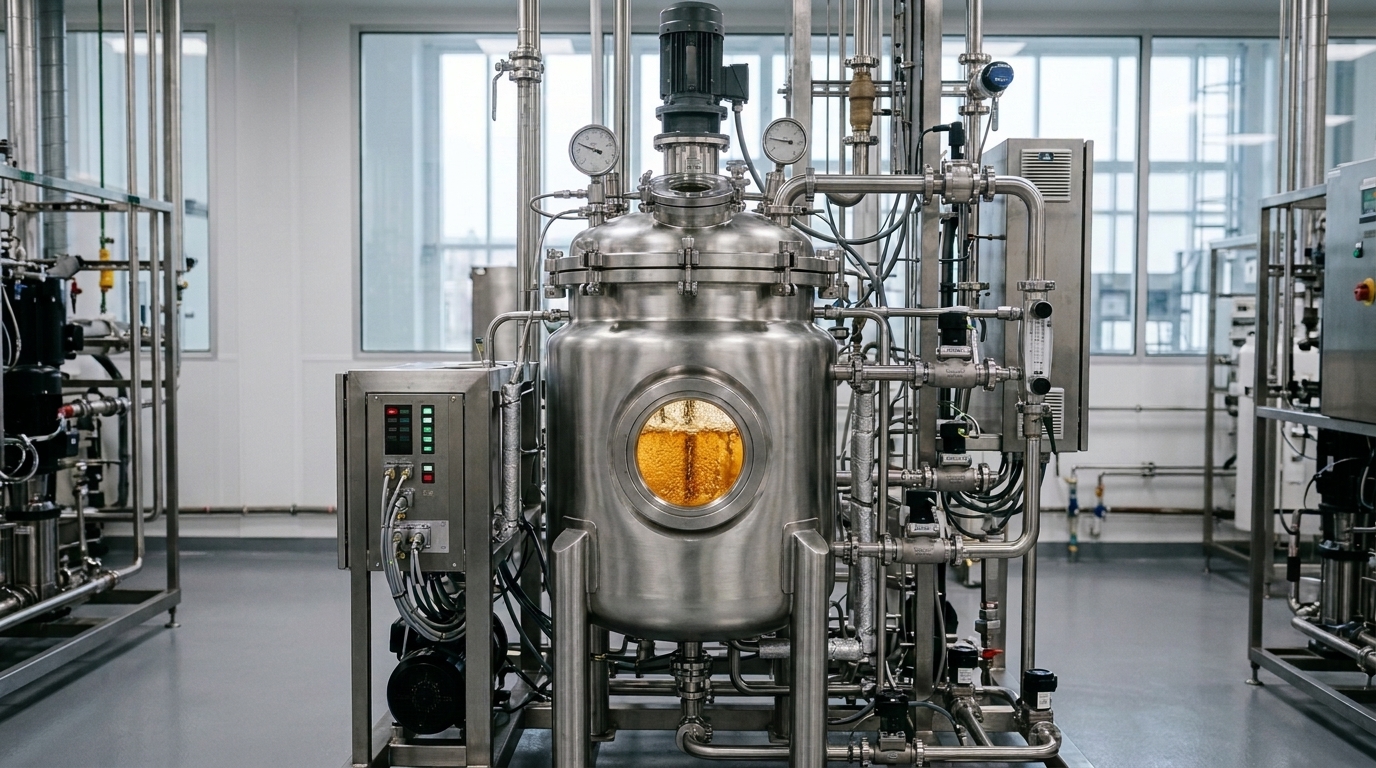
A comprehensive review published in Biotechnology for Sustainable Materials examines the potential of bio-based succinic acid (SA) as a platform chemical, detailing the metabolic pathways, feedstock options, and industrial perspectives that define its current production landscape. The study, authored by Pooja Vilas Nagime, Piyarat Boonsawang, Benjamas Cheirsilp, and Apichat Upaichit, provides a systems-level analysis of how biotechnological methods are replacing traditional petrochemical synthesis. By integrating advancements in microbial host engineering, metabolic pathway optimization, and synthetic biology, the review highlights how these strategies have enhanced the yield, productivity, and industrial scalability of SA biosynthesis. The authors position bio-based SA as a critical component in the transition toward a circular bioeconomy, emphasizing its role in mitigating greenhouse gas emissions and reducing reliance on fossil fuels.
Succinic acid, a four-carbon dicarboxylic acid, is a versatile precursor for a wide range of downstream products, including biodegradable polymers like polybutylene succinate, plasticizers, resins, and solvents such as γ-butyrolactone. Its structural compatibility with various chemical synthesis pathways makes it a fundamental element in sustainable materials development. Traditionally, SA has been manufactured through petrochemical methods, primarily via the catalytic hydrogenation of maleic anhydride derived from n-butane. This conventional approach is energy-intensive and produces significant greenhouse gas emissions, relying on non-renewable fossil resources that are increasingly incongruent with long-term sustainability objectives. The review notes that the production cost of petrochemical SA was assessed at €2,554 per metric ton, significantly higher than the €1,045 per metric ton for biochemically synthesized SA.
The shift toward biological production is driven by the need for environmentally sustainable and economically feasible industrial frameworks. The bioeconomy, characterized by the sustainable production of biological resources, offers a pathway to create bio-based chemical building blocks that functionally substitute petrochemical equivalents. Microbial fermentation facilitates the conversion of renewable carbon sources into high-value molecules, providing a more ecologically friendly option. The review emphasizes that bio-based SA production is associated with CO2 fixation, which helps the environment by utilizing greenhouse gases as a major factor for high yield. This process can reduce greenhouse gas emissions by over 60% compared to petrochemical-based production, offering a significant environmental advantage.
Microbial production of SA primarily occurs through three physiologically distinct pathways linked to the tricarboxylic acid (TCA) cycle: the reductive branch (rTCA), the oxidative branch (oTCA), and the glyoxylate shunt pathway. Under anaerobic fermentation conditions, SA is predominantly produced by the rTCA pathway, where phosphoenolpyruvate (PEP) is converted to oxaloacetate (OAA) by phosphoenolpyruvate carboxylase (PPC) or phosphoenolpyruvate carboxykinase (PCK). Subsequent steps involve the conversion of OAA to malate by malate dehydrogenase (MDH), malate to fumarate by fumarase (FUM), and finally the reduction to SA by fumarate reductase (FRD). In aerobic or microaerophilic environments, biosynthesis shifts toward the oTCA and glyoxylate pathways, where SA functions as a temporary intermediate. In these pathways, restricting the activity of succinate dehydrogenase (SDH) is crucial to prevent SA degradation and optimize yield.
Several microbial hosts have been utilized for SA production, including natural producers like Actinobacillus succinogenes, Mannheimia succiniciproducens, and Anaerobiospirillum succiniciproducens, as well as engineered model organisms such as Escherichia coli and Corynebacterium glutamicum. A. succinogenes, initially isolated from the bovine rumen, is particularly significant due to its facultative anaerobic characteristics and exceptional capacity for SA production. It can metabolize a wide range of carbohydrate substrates, including glucose, xylose, and sucrose, and demonstrates tolerance to elevated amounts of both glucose and succinate. However, its commercial utilization is hindered by metabolic auxotrophies, restricted genetic manipulability, and susceptibility to low pH conditions. Recent advancements in metabolic engineering have sought to address these issues by diverting intracellular carbon flow toward SA production and sustaining cellular redox equilibrium.
Metabolic engineering strategies focus on modifying the reductive branch of the TCA cycle to facilitate carbon dioxide fixation and the effective conversion of pyruvate or phosphoenolpyruvate into SA. Overexpression of critical enzymes such as PPC, MDH, and FRD, coupled with the removal of competing routes like lactate and acetate biosynthesis, has facilitated enhanced SA titers and yields. For instance, E. coli strains lacking the enzymes adhE and ldhA showed significant improvements in SA yield, with triple deletions resulting in a 3.2-fold increase in SA content. Global regulation of gene expression, involving modifiers like ArcA, Crp, and Cra, has also been employed to increase flux through SA biosynthesis pathways. These findings demonstrate the potential for enhanced biosynthesis through the combination of global regulatory techniques and targeted metabolic engineering.
The availability of NADH is a critical constraint in SA biosynthesis, as two moles of NADH are required for every mole of SA produced. Imbalances in the NADH/NAD+ ratio can negatively impact cell growth and SA accumulation. To mitigate this, researchers have overexpressed genes such as pfkB and marA to reduce NADH buildup, increasing SA output by 7.8-fold in microaerobic settings. Additionally, expressing NAD+-dependent formate dehydrogenase can double the highest possible NADH yield by producing more NADH from formate. The optimization of CO2 supplementation is another key strategy, as CO2 is the preferred substrate for PCK due to its higher catalytic efficiency compared to bicarbonate. Overexpression of carbonic anhydrase and bicarbonate transporters like BicA and SbtA has been shown to enhance intracellular CO2 availability and SA titers.
Feedstock innovations are essential for the economic feasibility of bio-based SA production. Initial endeavors mostly employed glucose and other food-grade sugars, but concerns regarding food-versus-fuel competitiveness have prompted a shift toward non-edible, low-cost substrates. Lignocellulosic biomass, comprising agricultural leftovers like maize stover and wheat straw, presents a sustainable alternative owing to its abundance and renewability. The pretreatment and saccharification of these substrates present technical obstacles, such as the release of inhibitory chemicals like furfural and phenolics. Advanced pretreatment techniques, including ionic liquid-based fractionation and organosolv methods, are being explored to overcome these barriers. The integration of sustainable agriculture into biorefinery models, where various value-added products are concurrently obtained from a shared biomass input, aligns with circular bioeconomy concepts and improves process economics.
Downstream processing remains a primary constraint in the commercial-scale production of bio-based SA, constituting 40–50% of the overall manufacturing cost. SA generally accumulates in aqueous fermentation broths alongside structurally analogous organic acids, unutilized substrates, and microbial biomass. Efficient and selective recovery of high-purity SA requires multistage separation and purification methods, including crystallization, volatile extraction, electrodialysis, and ion-exchange chromatography. Each approach entails compromises regarding cost, scalability, energy usage, and product purity. Innovations like in situ product recovery (ISPR), which involves the continuous removal of SA during fermentation, are being explored to minimize energy consumption and operational complexity. The selection of microbial hosts also influences downstream processing; for example, yeast strains may ferment at reduced pH levels, potentially streamlining downstream processing compared to bacterial strains that require pH regulation.
Techno-economic and life cycle assessments are essential for evaluating the viability and sustainability of bioprocesses. Studies have indicated that bio-based SA production offers significant environmental benefits, potentially offsetting up to 5 tons of CO2 for each ton of SA generated. A cradle-to-gate life cycle assessment by Cok et al. found that low-pH yeast fermentation with direct crystallization had the minimal environmental impact among the evaluated bioprocesses. From a financial perspective, a comprehensive techno-economic analysis by Lam et al. calculated a return on investment of 12.8% and a payback period of 7.2 years for the manufacture of bio-based SA. These findings suggest a favorable economic forecast, especially when combined with enhanced upstream and downstream operations. However, the utilization of lignocellulosic biomass necessitates pretreatment, which is a vital factor influencing both cost and sustainability, as aggressive chemicals and considerable energy requirements present considerable obstacles.
Despite significant advancements, several major obstacles prevent the broad market acceptance of bio-based SA. These difficulties are mostly brought on by the high cost of raw ingredients and the difficult recovery and purification procedures needed to produce SA. Low productivity and subpar product yields have a big impact on how cost-effective bio-SA is overall. Maintaining a neutral pH during fermentation is one of the primary technical problems, as SA production naturally causes the medium to become acidic, leading to the generation of succinate salts that require supplementary processing stages. Furthermore, the buildup of unwanted by-products, including leftover proteins and unutilized sugars, undermines the integrity of the final product and elevates downstream processing expenses. Membrane-based separation technologies have recently attracted interest due to their operational simplicity and scalability, but their practical implementation is obstructed by membrane fouling.
The review concludes that the biotechnological synthesis of SA has emerged as a possible substitute for conventional petrochemical processes, driven by the demand for sustainable solutions. The utilization of renewable feedstocks, microbial engineering, and genetic changes has led to notable improvements in the scalability and efficiency of bio-based SA synthesis. However, there are still several obstacles to overcome, such as the necessity for more effective downstream processing, feedstock variability, and the viability of large-scale manufacturing economically. It will take ongoing innovation in genetic engineering methods and process optimization to overcome these constraints. The production of more resilient microbial strains, enhanced fermentation techniques, and the incorporation of affordable, environmentally acceptable feedstocks are the keystones for the future of SA production. Bio-SA holds great potential to revolutionize global markets by providing a sustainable substitute for products generated from petroleum, particularly in light of the increasing need for bio-based chemicals across diverse industries.
Subject of Research: Potential of bio-based succinic acid: pathways, feedstocks, and industrial perspectives
Article Title: Potential of bio-based succinic acid: pathways, feedstocks, and industrial perspectives
Article References: Nagime, P. V., Boonsawang, P., Cheirsilp, B., & Upaichit, A. (2025). Potential of bio-based succinic acid: pathways, feedstocks, and industrial perspectives. Biotechnology for Sustainable Materials, 2(1), Article 16. https://doi.org/10.1186/s44316-025-00041-2
Image Credits: AI Generated
DOI: 10.1186/s44316-025-00041-2
Keywords: Potential, bio-based, succinic, acid, pathways, feedstocks, industrial, perspectives, scientific research
News Source: Gregory Coleman. (November 8, 2026). Review Maps Bio-Based Succinic Acid Production Pathways. Scienmag.