A perspective review published in Anesthesiology and Perioperative Science synthesizes emerging evidence to propose a bidirectional relationship between the brain’s glymphatic system and the pathogenesis of chronic pain. The study, authored by Haiyi Zhang, Xin Li, Xingji You, and colleagues, identifies glymphatic dysfunction as a plausible contributing mediator across diverse pain conditions. The authors argue that this dysfunction is not merely a consequence of chronic pain but may actively drive its progression through a self-sustaining cycle involving neuroinflammation. This conceptual framework suggests that the glymphatic system, a network responsible for cerebrospinal fluid circulation and metabolic waste clearance, plays a critical role in maintaining central nervous system homeostasis. When this system fails, the accumulation of toxic proteins and inflammatory mediators may exacerbate pain states, creating a vicious cycle that complicates clinical management.
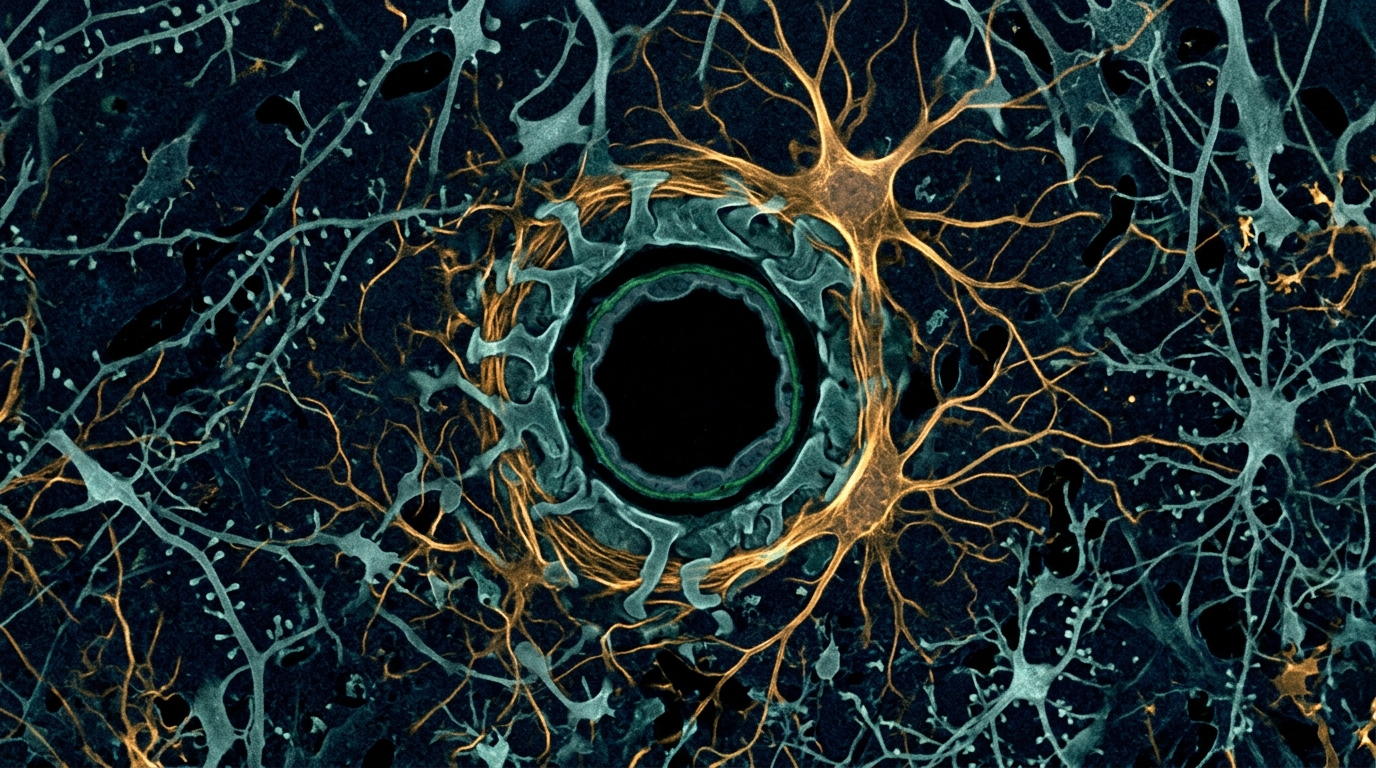
The glymphatic system was first identified in 2012 by Iliff and colleagues, who described a pathway for effective waste clearance in the central nervous system. It consists of perivascular spaces, cerebrospinal fluid influx routes, and interstitial fluid outflux routes, all facilitated by aquaporin-4 water channels located on astrocyte end-feet. This system is essential for clearing neurotoxic proteins, cytokines, and other metabolic wastes, while simultaneously transporting nutrients like glucose and signaling molecules. The review highlights that the physiological function of the glymphatic system is influenced by various factors, including sleep quality, arterial pulsation, posture, age, and anesthesia. Disruption of these factors can lead to glymphatic dysfunction, which has been documented in patients with chronic migraine, trigeminal neuralgia, and cancer-related pain.
Neuroinflammation is identified as a central mechanism through which diverse pathological insults compromise glymphatic function. In chronic pain states, robust glial proliferation and activation in the spinal cord and brain are consistently observed. The review explains that neuroinflammation may damage the anatomical structures of the glymphatic system by activating matrix metalloproteinases, which degrade basement membrane components and tight junction proteins. This protease degradation, combined with the physical blockage of perivascular spaces by accumulated immune cells, impedes the drainage of metabolic waste from the brain parenchyma. Furthermore, neuroinflammation can cause the mislocalization of aquaporin-4, disrupting its polarized distribution on astrocytic end-feet. This mislocalization reduces the efficiency of water transport and solute clearance, thereby amplifying the effects of glymphatic dysfunction.
Animal models provide preclinical evidence supporting the link between glymphatic impairment and pain progression. In a mouse model of chronic migraine induced by repeated nitroglycerin injections, researchers observed a marked reduction in the influx of cerebrospinal fluid tracers into the cerebral parenchyma. These mice also exhibited reduced aquaporin-4 expression and disrupted polarization in the medullary dorsal horn, accompanied by neuroinflammatory responses. The administration of an aquaporin-4 inhibitor further decreased mechanical and periorbital pain thresholds, increasing the levels of inflammatory markers such as interleukin-1 beta, interleukin-6, and tumor necrosis factor alpha. These findings suggest that glymphatic dysfunction may facilitate the progression of migraine by aggravating neuroinflammation, rather than acting as the initial cause of the condition. The study indicates that the glymphatic system may serve as a clearance pathway for pain mediators, and its impairment leads to their accumulation, which in turn promotes neuronal excitability and central sensitization.
Clinical imaging studies have also detected associations between glymphatic dysfunction and chronic pain disorders. In patients with chronic migraine, diffusion tensor imaging analysis along the perivascular space, or DTI-ALPS, has shown reduced indices compared to healthy controls and episodic migraine patients. The DTI-ALPS index reflects the convective exchange function between cerebrospinal fluid and interstitial fluid within the perivascular spaces. A lower index indicates impairments in fluid transport pathways and clearance capacity. Some studies have also found enlarged perivascular spaces in migraine patients, which may serve as a structural marker of glymphatic dysfunction. However, the review notes that findings regarding the direction of glymphatic alterations in chronic migraine remain contradictory, with some studies reporting higher indices in certain patient groups. These discrepancies may be related to downstream vascular responses or differences in imaging protocols and confounding factors such as sleep status.
In classical trigeminal neuralgia, multimodal magnetic resonance imaging studies have revealed significantly reduced bilateral ALPS indices, increased choroid plexus volume, and enhanced global blood oxygen level dependent signal coupling. These findings suggest the coexistence of impaired glymphatic clearance, compensatory increases in cerebrospinal fluid production, and neurostructural damage. Another investigation found that preoperative ALPS indices in trigeminal neuralgia patients were lower than those in healthy controls, with only partial recovery observed six months after surgery. The persistence of glymphatic dysfunction in these patients may be associated with the development of cerebral structural atrophy, including gray and white matter volume loss. The review emphasizes that these clinical observations are largely correlative, and the temporal sequence of glymphatic dysfunction relative to pain chronification requires further longitudinal studies to establish causality.
The review also explores the role of sleep in the interplay between chronic pain and glymphatic function. Sleep disorders are common comorbidities in chronic pain, with approximately 50 to 80 percent of individuals reporting sleep disturbances. The authors propose that sleep disruption acts as a central mechanistic driver, where pain disrupts sleep architecture, leading to impaired glymphatic clearance and the accumulation of neuroinflammatory mediators. This process creates a primary amplifying loop within the vicious cycle model. A two-year follow-up study found that the DTI-ALPS index was reduced in the left hemisphere of patients with knee pain, indicating that chronic knee pain may impair glymphatic clearance capacity through sleep disturbances. Conversely, glymphatic dysfunction caused by sleep disturbances may exacerbate chronic pain by failing to clear inflammatory mediators, thereby promoting neuroinflammation and pain sensitization.
Therapeutic strategies targeting the glymphatic system are outlined as potential avenues for chronic pain management. Pharmacological approaches include the use of dexmedetomidine, a drug widely used for perioperative analgesia, which has been shown to enhance glymphatic clearance via the promotion of slow-wave sleep in non-pain contexts. However, direct evidence that its analgesic actions are mediated by glymphatic function in chronic pain remains lacking. Other pharmacological strategies involve modulators of aquaporin-4, such as beta-hydroxybutyrate, metformin, and liquiritin, which have been proposed to promote aquaporin-4 polarization in animal models of pain. These agents may help restore glymphatic function and mitigate pain-related behaviors, although their clinical feasibility requires validation through large-sample trials.
Non-pharmacological interventions are also discussed, including sleep optimization, exercise, and mind-body therapies such as acupuncture. Sleep intervention is considered conceptually plausible for alleviating chronic pain by enhancing glymphatic function, given its favorable safety profile and sustainability. Exercise has been associated with therapeutic promise in chronic pain and is known to target glymphatic drainage in non-pain conditions, though direct experimental evidence confirming its mechanistic mediation via this pathway in pain patients is scarce. Acupuncture, as a non-addictive mind-body intervention, may alleviate chronic pain potentially by accelerating lymphatic clearance. Physical interventions like repetitive transcranial magnetic stimulation and photo-biomodulation therapy have shown potential in modulating glymphatic drainage, but most supporting data are derived from non-pain contexts, and their efficacy in chronic pain remains to be validated.
The review concludes that the “neuroinflammation-glymphatic dysfunction-chronic pain” vicious cycle model provides a novel framework for understanding the intricate mechanisms of chronic pain. Glymphatic dysfunction may serve as a potential promoter in the progression of chronic pain through impaired clearance of metabolic waste and distribution of nutrients. The multifaceted involvement of the glymphatic system underscores its strong potential as a promising therapeutic target. Future research should focus on developing more precise and non-invasive methods for assessing glymphatic function, elucidating the molecular mechanisms linking the glymphatic system to chronic pain, and conducting clinical trials of therapies specifically targeting this system. By addressing the translational gap between animal experiments and clinical trials, researchers can better validate the efficacy and safety of glymphatic-targeted interventions for chronic pain management.
Subject of Research: The glymphatic system in chronic pain: putative mechanisms and prospective therapeutic strategies
Article Title: The glymphatic system in chronic pain: putative mechanisms and prospective therapeutic strategies
Article References: Zhang, H., Li, X., You, X., & Wu, J. (2026). The glymphatic system in chronic pain: putative mechanisms and prospective therapeutic strategies. Anesthesiology and Perioperative Science, 4(1), Article 32. https://doi.org/10.1007/s44254-026-00180-3
Image Credits: AI Generated
DOI: 10.1007/s44254-026-00180-3
Keywords: glymphatic, system, chronic, pain, putative, mechanisms, prospective, therapeutic, strategies, scientific research
News Source: Ophelia Keating. (November 7, 2026). Review Links Glymphatic Dysfunction to Chronic Pain Mechanisms. Scienmag.