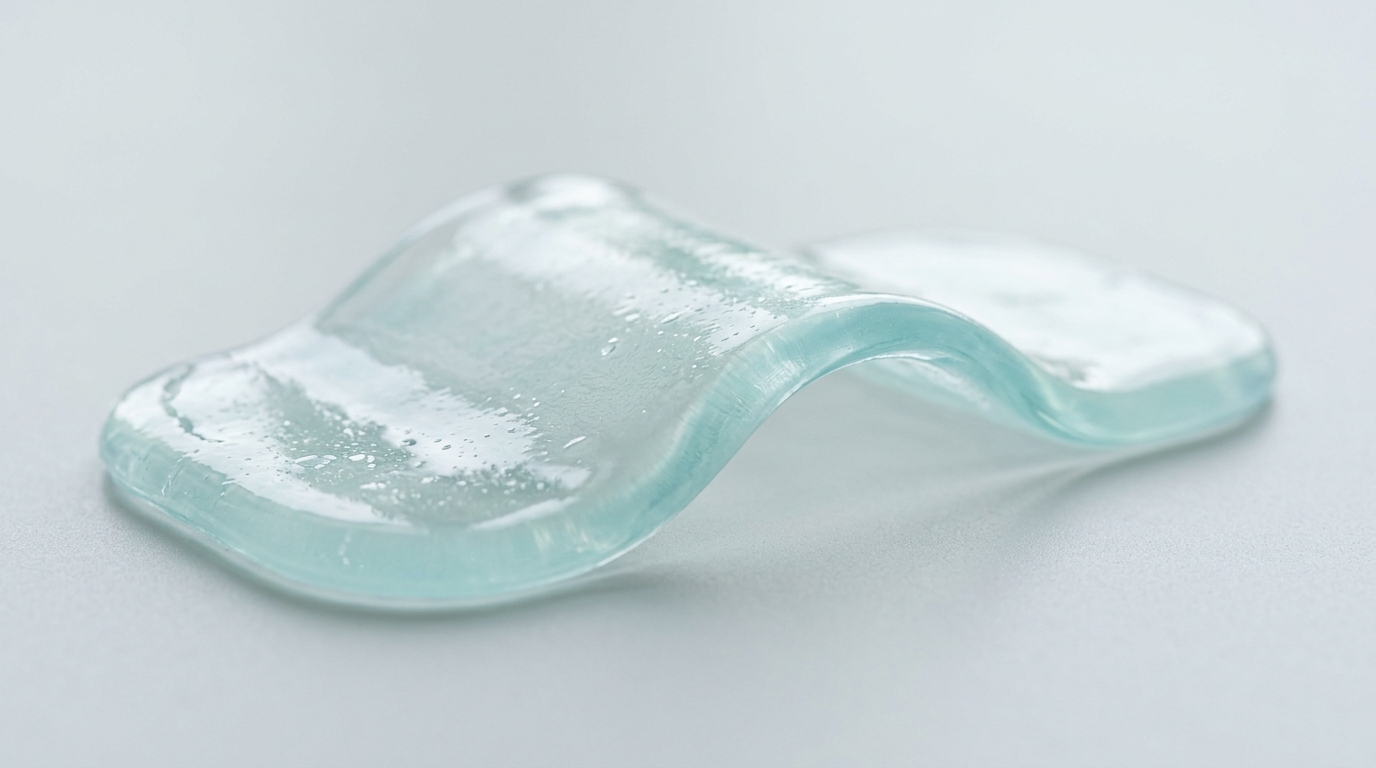
A scientific review published in Frontiers in Bioengineering and Biotechnology by researchers at Chinese PLA General Hospital and PLA Medical College examines how stimulus-responsive hydrogels adapt therapeutic delivery to diabetic wounds. Unlike passive dressings that merely shield injuries and maintain surface hydration without responding to environmental changes, responsive hydrogels alter their crosslinking, swelling, degradation, or cargo release when triggered by endogenous or external stimuli. These cues include pH, glucose, reactive oxygen species, and enzymes, alongside external triggers like temperature, light, and ultrasound. While primary experimental studies demonstrate trigger-dependent release and accelerated healing in animal models, accompanied by preliminary evidence from a small human pilot trial, direct comparative studies isolating the specific benefits of added response pathways remain limited. Furthermore, activation conditions frequently diverge from clinical exudates, and response thresholds, release kinetics, sterilization, and manufacturing remain insufficiently standardized.
Diabetic wounds present profound management difficulties because tissue closure is impeded by interconnected metabolic, immune, and vascular abnormalities. Chronic hyperglycaemia activates polyol, hexosamine, and protein kinase C pathways, elevating intracellular oxidative stress while advanced glycation end-product signalling via RAGE impairs keratinocyte function and perpetuates metabolic memory. Simultaneously, microvascular basement-membrane thickening and endothelial dysfunction exacerbate hypoxia, destabilizing hypoxia-inducible factor 1-alpha signalling and impairing mitochondrial energy metabolism. Immunologically, diabetic tissues exhibit delayed macrophage transitions from pro-inflammatory to reparative phenotypes, compounded by persistent neutrophil infiltration and extracellular traps that amplify tissue damage. Excessive matrix metalloproteinase activity degrades extracellular matrix and growth factors, while mitochondrial reactive oxygen species drive feedback loops sustaining cellular senescence. Because local glucose levels persist whereas pH and protease activities fluctuate over days, responsive dressings must align with the precise timing and distribution of wound cues.
Designing effective responsive wound dressings requires balancing polymer selection, mechanical integrity, and dynamic responsiveness to preserve material performance under physiological conditions. Natural polymers such as gelatin, alginate, chitosan, and silk fibroin provide biological compatibility but display batch variability and weak wet mechanics, whereas synthetic polymers offer precise control over stiffness and functional-group density. Permanent covalent crosslinks maintain overall structural stability, while dynamic covalent bonds and physical interactions enable self-recovery and directly couple chemical recognition events to cargo release. Functional nanoparticles and self-assembled domains can reinforce mechanical properties or localize catalytic and optical functions, while three- and four-dimensional printing provides spatial control over geometry and drug distribution. These structural modifications represent enabling tools rather than clinical endpoints, meaning therapeutic success depends strictly on whether recognition chemistry operates within the concentration ranges present in wound tissue.
Single-responsive hydrogels target discrete biological signals within diabetic wounds, with pH and glucose serving as prominent endogenous triggers. Healthy skin possesses an acidic surface whereas chronic wound exudate is typically neutral or alkaline with acidic microenvironments near infections, enabling networks to exploit protonation or acid-labile bonds for release. For instance, an oxidised sodium alginate and carboxymethyl chitosan hydrogel utilized local pH shifts to release astilbin liposomes and diclofenac sodium. In parallel, glucose-responsive systems rely on phenylboronic acid complexation, glucose oxidase catalysis, or concanavalin A affinity binding. Phenylboronic acid offers synthetic stability and reversible cis-diol complexation, exemplified by microneedle patches delivering insulin in diabetic mice, though binding selectivity depends strongly on local pH. Conversely, glucose oxidase systems consume glucose to produce gluconic acid and hydrogen peroxide, requiring careful mitigation of local acidification and peroxide accumulation when delivering therapeutics like deferoxamine.
Reactive oxygen species and thermal shifts provide alternative single-stimulus triggers addressing chronic oxidative stress and inflammatory heating. Although excessive reactive oxygen species prolong inflammation and damage reparative cells, basal concentrations remain vital for signalling and host defence, requiring hydrogels to modulate rather than eliminate redox activity. A representative formulation combined methacrylated silk fibroin and recombinant type III collagen with lipid nanoparticles to release antimicrobial peptides and puerarin under oxidative conditions. Other platforms include living microalgae hydrogels integrating photosynthetic algae with reactive oxygen species-sensitive covalent organic frameworks and basic fibroblast growth factor. Meanwhile, temperature-responsive polymers alter their physical state upon exposure to inflammatory temperatures or applied heat. For instance, a thermosensitive network incorporating fullerene derivatives applied mechanical contraction promoting re-epithelialisation in diabetic models. However, thermal systems require thorough validation to ensure consistent switching without drug leakage during repeated thermal cycles.
Enzymatic activity within diabetic wounds provides an endogenous trigger reflecting persistent matrix breakdown and protease dysregulation. Elevated levels of matrix metalloproteinases continually degrade extracellular matrix proteins and endogenous growth factors, arresting wounds in chronic inflammation. Biomaterial platforms leverage this destructive activity by incorporating enzyme-cleavable peptide crosslinks that degrade upon encountering specific matrix metalloproteinases, releasing encapsulated therapeutics at sites of elevated proteolysis. A demonstrated formulation utilized maleimide-modified hyaluronic acid crosslinked with oxidised dextran via an enzyme-cleavable peptide to release deferoxamine, successfully stimulating angiogenesis and re-epithelialisation in diabetic rats. Other advanced designs have combined matrix metalloproteinase-9-responsive hydrogels with wireless resonant circuits to pair real-time monitoring with silver nanoparticle delivery. However, because clinical exudates contain diverse host and bacterial proteases alongside endogenous inhibitors, researchers must verify cleavage kinetics within authentic patient fluids and employ non-cleavable peptide controls to rule out non-specific erosion.
External physical inputs, including light and ultrasound, enable on-demand control over hydrogel responses independent of internal biochemical variations. Near-infrared light-responsive systems incorporate photothermal agents like polydopamine, polypyrrole, or molybdenum disulfide to generate localized heat, accelerating cargo discharge and eliminating bacterial infections. For example, networks combining gelatin methacryloyl, cerium dioxide, and polydopamine demonstrated coupled photothermal heating and antioxidant scavenging under irradiation. Meanwhile, ultrasound-responsive platforms achieve deep tissue penetration, utilizing acoustic cavitation and mechanical disruption to release cargo, disrupt bacterial biofilms, or discharge oxygen from microbubbles embedded within heparin-Pluronic matrices. An ultrasound-controlled hydrogel composed of borax-crosslinked poly(vinyl alcohol) and alginate containing Prussian blue nanozymes and S-nitrosothiols showed controlled nitric oxide delivery that accelerated diabetic wound repair in animals only when ultrasound was applied. However, external triggers introduce clinical hurdles, including specialized hardware, potential acoustic overexposure, and thermal injury risks in patients with sensory neuropathy.
Dual-responsive hydrogels seek to synchronize therapeutic release across sequential stages of diabetic wound repair by responding to two distinct stimuli. Systems responsive to both pH and glucose often integrate dynamic phenylboronic acid linkages, Schiff-base bonds, or glucose oxidase-mediated acidification. For example, the QO@PV@AB7 hydrogel combined dynamic boronate and Schiff-base chemistry to provide glucose- and pH-gated delivery of antibacterial and angiogenic agents in infected wounds. In other designs, glucose oxidase-loaded multienzyme complexes switch catalytic activity based on ambient pH, supporting antibacterial oxidation under acidic conditions while promoting antioxidant activity under alkaline conditions. Similarly, dual pH- and reactive oxygen species-responsive systems exploit Schiff-base crosslinks and thioketal linkers to achieve sequential drug delivery, ensuring rapid antibacterial release precedes sustained pro-angiogenic therapy. However, dual responsiveness creates mutual chemical interference, where reactive oxygen species oxidize pH-sensitive backbones or fluctuating pH destabilizes micelles, necessitating verification under combined exposure conditions.
Other dual-responsive platforms couple glucose sensitivity with reactive oxygen species, temperature, or enzymatic cleavage to establish stage-appropriate therapy. In one system, glucose- and reactive oxygen species-triggered release was combined with pH regulation in a zinc-containing bioactive glass hydrogel, accelerating closure in animal models with preliminary support from a human pilot trial. In another architecture, investigators paired a glucose-responsive matrix with matrix metalloproteinase-9-sensitive gelatin microcapsules delivering a diclofenac and L-carnitine ionic liquid alongside therapeutic peptides. This layered design physically segregated early anti-inflammatory dosing from delayed reparative stimulation, preventing burst release and aligning drug delivery with healing stages. Conversely, dual pH- and temperature-responsive hydrogels constructed from citric-acid-crosslinked methylcellulose demonstrated responsive swelling, but evaluations conducted at extreme values like pH 4 and 12 fail to reflect wound environments. Furthermore, complex multi-layered formulations face substantial translational obstacles regarding layer adhesion, batch reproducibility, and sterilization stability.
Multi-responsive hydrogels incorporate three or more responsive mechanisms into a single dressing to address complex, changing diabetic wound environments. For instance, biomaterials crosslinking phenylboronic acid-modified carboxymethyl chitosan with oxidised dextran responded simultaneously to acidic pH, elevated glucose, and high reactive oxygen species while integrating pro-angiogenic and photothermal functions. Another multi-responsive system combined 3-aminophenylboronic acid-modified hyaluronate with tannic acid, where low pH, hydrogen peroxide, or glucose destabilized network bonds to release antioxidant and anti-inflammatory payloads. Despite these innovative architectures, the review emphasizes that incorporating multiple dynamic bonds does not inherently guarantee superior therapeutic efficacy over simpler formulations. Multiplying responsive triggers significantly elevates synthetic complexity and manufacturing burdens. Without component-omission controls and single-trigger comparisons that disable individual pathways while preserving matrix mechanics and drug loading, researchers cannot confirm whether accelerated healing stems from multi-stimulus synergy, baseline drug pharmacology, or the physical properties of the polymer matrix.
Bridging the gap between laboratory research and clinical translation requires establishing standardized testing frameworks across the biomaterials community. Furthermore, in vitro release assays conducted in clean laboratory buffers fail to replicate the complex protein content, ionic strength, and enzymatic diversity of human diabetic wound exudate. Future evaluations must systematically assess material performance across physiological concentration gradients, characterize mechanical stability under wet conditions, and verify stability following industrial sterilization and storage. Most importantly, investigators must include non-responsive hydrogel matrices matched for stiffness, swelling, and cargo loading as mandatory baselines. Determining whether stimulus-responsive hydrogels offer genuine clinical superiority over standard dressings requires sustained closure assessments and rigorous safety monitoring in clinical trials.
Subject of Research: Stimulus-responsive hydrogels for diabetic wound healing
Article Title: Stimulus-responsive hydrogels for diabetic wound healing: materials, mechanisms and therapeutic applications
Article References: Meng, F., Ding, H., Xv, C., Wang, Y., Li, C., & Chen, M. (2026). Stimulus-responsive hydrogels for diabetic wound healing: materials, mechanisms and therapeutic applications. Frontiers in Bioengineering and Biotechnology, 14, Article 2012390. https://doi.org/10.3389/fbioe.2026.2012390
Image Credits: AI Generated
DOI: 10.3389/fbioe.2026.2012390
Keywords: stimulus-responsive hydrogels, diabetic wound healing, diabetic foot ulcers, reactive oxygen species, matrix metalloproteinases, glucose oxidase, phenylboronic acid, concanavalin A, carboxymethyl chitosan, oxidised sodium alginate, gelatin methacryloyl, photothermal therapy, ultrasound-controlled release, microvascular basement membrane, dynamic covalent chemistry, dual-responsive hydrogels, wound exudate, translational standardization
News Source: Gregory Coleman. (November 27, 2026). Review examines stimulus-responsive hydrogels designed for dynamic diabetic wound healing. Scienmag.