Recent advancements in spatial proteomics have opened new avenues for understanding the biological mechanisms behind aging, particularly in the renal tubulointerstitium—a crucial component of the kidney. Researchers have embarked on a groundbreaking study that reveals how aging leads to significant alterations in this region, which is vital for maintaining renal function and overall health. By employing cutting-edge techniques in spatial proteomics, the study aims to uncover the intricate molecular changes that accompany aging, with the potential to inform therapeutic strategies for age-related kidney diseases.
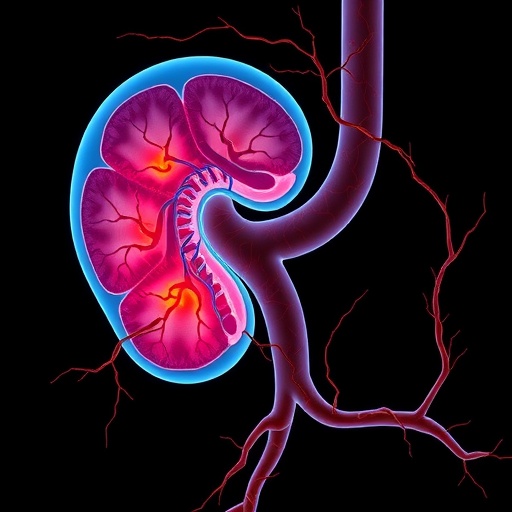
The renal tubulointerstitium plays an essential role in kidney function. Comprised of renal tubules and interstitial tissue, this area facilitates critical processes such as filtration, reabsorption, and secretion of various substances. As we age, our kidneys undergo a series of structural and functional declines, making them more susceptible to diseases such as chronic kidney disease (CKD). The findings from this study could elucidate the molecular basis of these age-associated changes, thereby paving the way for innovative treatment options.
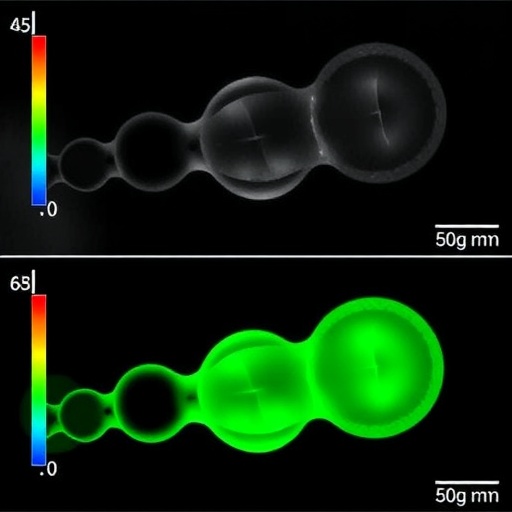
This research, spearheaded by Mun DG, Pujari GP, and Sachdeva G, highlights the power of spatial proteomics, which employs advanced mass spectrometry and imaging techniques to analyze protein expression patterns in their native tissue context. By mapping how proteins are distributed in renal tubulointerstitium from both young and aged subjects, scientists aimed to identify biomarkers indicative of aging and explore pathways that contribute to kidney degeneration. This dual approach not only enhances our understanding of kidney aging but also provides insights into potential intervention points for preserving renal function.
One of the most striking findings of the study was the pronounced shift in protein expression profiles observed in aged renal tissues compared to their younger counterparts. Certain proteins that play a vital role in kidney function and homeostasis showed significant downregulation, while others involved in inflammatory and fibrotic processes were markedly upregulated. These alterations suggest that aging may shift the balance of the renal microenvironment from a state of homeostasis to one characterized by stress and fibrosis, contributing to the decline in kidney function.
Additionally, the research highlights the importance of the renal interstitium, often overlooked in studies focused solely on renal tubular cells. This region houses various cells, including fibroblasts and immune cells, which contribute to kidney health and disease. The study’s findings suggest that fibroblast activation and immune dysregulation may exacerbate age-related kidney decline, indicating that strategies targeting these pathways may hold promise for therapeutic interventions.
The relationship between aging and renal function is further complicated by comorbid conditions such as hypertension and diabetes, which are prevalent in older populations. The study suggests that the alterations identified in the renal tubulointerstitium may serve as a nexus for the interplay between these conditions and kidney aging. By identifying specific proteomic signatures linked to these comorbidities, researchers may be able to develop targeted interventions that not only address the symptoms but also the underlying molecular mechanisms.
The implications of this research extend beyond basic science; they touch on public health concerns regarding the aging population and the increasing incidence of kidney-related ailments. As the global population ages, understanding the biological processes governing kidney decline becomes critical. The data generated through spatial proteomics may inform the development of screening protocols for early detection of kidney dysfunction and lead to better management strategies tailored to older patients.
Moreover, the potential for translating these research findings into clinical practice cannot be overstated. By understanding the specific protein alterations associated with aging, clinicians may be better equipped to diagnose, monitor, and treat age-related kidney diseases. This could lead to a paradigm shift in the way kidney health is managed in senior populations, emphasizing proactive rather than reactive care.
Ultimately, the insights gained from this study underscore the importance of continued research in spatial proteomics. As technology advances and researchers refine their techniques, the potential to uncover new biomarkers and therapeutic targets will grow. The hope is that these efforts will contribute significantly to enhancing the quality of life for older adults, particularly in managing kidney health as they age.
In conclusion, this pivotal research presents a promising avenue for understanding the aging process within the renal tubulointerstitium. By unraveling the complex proteomic landscape of aged kidneys, scientists are poised to make strides in combating the effects of aging on renal health. The integration of these findings into clinical practice could reshape the future of kidney disease management, ultimately leading to improved outcomes for the aging population.
As this exciting field of research continues to develop, collaboration among scientists, clinicians, and policymakers will be essential. By pooling resources and expertise, the collective goal of maintaining kidney health throughout the aging process can become a reality. Advancements in spatial proteomics could very well hold the key to unlocking new therapeutic avenues, fostering a healthier, more resilient aging demographic.
Subject of Research: Aging-associated alterations in the renal tubulointerstitium through spatial proteomics.
Article Title: Spatial proteomics to discover aging-associated alterations in the renal tubulointerstitium.
Article References:
Mun, DG., Pujari, G.P., Sachdeva, G. et al. Spatial proteomics to discover aging-associated alterations in the renal tubulointerstitium. Clin Proteom 22, 37 (2025). https://doi.org/10.1186/s12014-025-09550-8
Image Credits: AI Generated
DOI:
Keywords: Aging, spatial proteomics, renal tubulointerstitium, protein alterations, kidney health.
Tags: advancements in mass spectrometry techniquesage-related kidney disease studieschronic kidney disease and aginginnovative treatments for age-related kidney issuesinterstitial tissue and renal functionmolecular mechanisms of aging in kidneysprotein expression patterns in renal tissuerenal tubulointerstitium aging changesresearch on renal tubules and agingspatial proteomics in kidney researchstructural decline of kidneys with agetherapeutic strategies for kidney diseases