


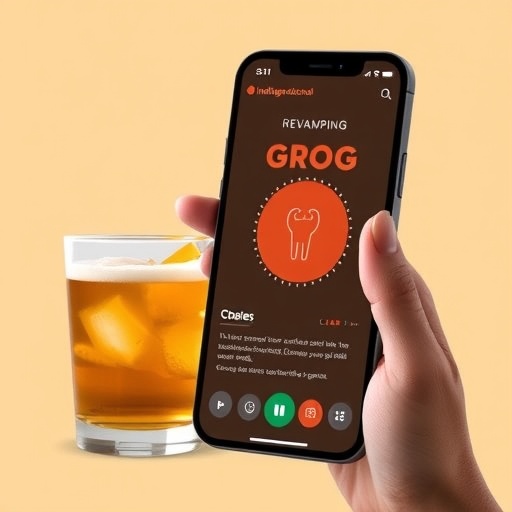
In recent years, the significance of culturally sensitive approaches in healthcare for Aboriginal and Torres Strait Islander communities has gained increasing recognition. In this evolving landscape, the introduction of innovative digital tools has emerged as a promising avenue for enhancing health outcomes. One such initiative is the adaptation of the Grog survey app, aimed specifically at alcohol screening and feedback tailored for these communities. This transformative project, led by a team of researchers including Dzidowska, Conigrave, and Wilson, promises to reshape the narrative around alcohol consumption and its implications in Indigenous health contexts.
The Grog survey app represents a pioneering blend of technology and public health, devised to address the pressing issue of alcohol misuse among Aboriginal and Torres Strait Islander populations. Alcohol consumption in these groups presents unique challenges due to historical, socio-economic, and cultural factors that have long influenced drinking behaviors and health outcomes. Researchers are now focused on harnessing modern technology to offer insightful and personalized feedback enhancing awareness and encouraging informed decision-making regarding alcohol use.
A mixed methods study protocol underlies the adaptation of this app, ensuring that the development process is not only evidence-based but also voices the concerns and experiences of the target demographics. Such an approach emphasizes an understanding of the cultural context surrounding alcohol consumption and the barriers faced by these communities in accessing traditional health resources. The adaptation process involves ongoing consultations with community stakeholders to tailor the app’s functionalities, ensuring relevance and acceptance.
The innovative features of the Grog survey app include self-reporting functions that allow users to track their alcohol intake and receive real-time feedback on their drinking patterns. The app is designed to be intuitive and engaging, providing a user-friendly interface that encourages consistent interaction. By integrating motivational messaging and culturally appropriate content, it seeks to empower users to make healthier choices regarding their alcohol consumption.
Community engagement is pivotal in this project. The involvement of local Aboriginal and Torres Strait Islander health services ensures that the app reflects the unique cultural nuances surrounding health and well-being in these communities. Through workshops, focus groups, and interviews, researchers gather qualifiable and quantifiable data, enhancing the app’s effectiveness. This collaborative spirit aims to cultivate a sense of ownership among users, fostering a supportive environment that encourages discourse on alcohol-related issues.
Moreover, the timing of this initiative is paramount. With rising concerns regarding alcohol consumption and its impact on health disparities, there is a pressing need for interventions that resonate with the specific socio-cultural realities of Aboriginal and Torres Strait Islander peoples. By leveraging technology, the Grog survey app aims to bridge gaps in current alcohol treatment frameworks, creating accessible pathways to support and resources.
The pilot testing of the app is anticipated to yield crucial insights, enabling researchers to evaluate its effectiveness in real-world settings. Early user feedback will provide valuable data, allowing researchers to refine the app further and adapt it to the evolving needs of the community. This iterative process is essential in ensuring that the app remains relevant in addressing the ongoing challenges surrounding alcohol use and abuse.
Beyond immediate health benefits, the Grog survey app embodies a long-term vision of sustainable change. By facilitating open dialogues about alcohol consumption and fostering healthier lifestyles, it contributes to a broader strategy of improving health outcomes and promoting well-being in Aboriginal and Torres Strait Islander communities. The goal is to instill a sense of agency among users, empowering them to take charge of their health narratives.
In the Australian context, addressing alcohol misuse and its associated health implications has been fraught with challenges, underscoring the necessity for tailored interventions. The Grog survey app stands out not only for its cultural sensitivity but also for its commitment to fostering collaborative efforts between researchers, health professionals, and community members. This collective engagement is pivotal for success and serves as a model for future health interventions targeting Indigenous populations.
The findings and outcomes of this study are expected to contribute significantly to the existing body of knowledge surrounding alcohol use and Indigenous health. It is anticipated that the lessons learned from the adaptation and implementation of the Grog survey app will inform similar initiatives both nationally and internationally. The exploration of technology-assisted health interventions can help redefine how public health approaches alcohol-related issues, particularly in culturally diverse populations.
Ultimately, the success of the Grog survey app may hinge on its ability to spark conversations around alcohol use and encourage proactive behaviors among users. By promoting awareness and facilitating access to health resources, the app seeks to dismantle barriers and stigmas associated with alcohol consumption in Aboriginal and Torres Strait Islander communities. The integration of empathy, technology, and community voice stands to empower individuals and effect change in health behaviors.
In summary, the adaptation of the Grog survey app symbolizes a significant step forward in addressing alcohol misuse through culturally appropriate and technological innovations. The commitment of the research team to inclusivity, community engagement, and evidence-based practices sets a precedent for future public health initiatives. This project not only represents hope for the immediate health issues at hand but also exemplifies the potential of technology in enhancing well-being among Indigenous populations.
As the world witnesses the evolving landscape of digital health applications, the lessons learned from the Grog survey app will likely reverberate throughout academic and healthcare communities. Continuous monitoring of its impact and effectiveness will provide valuable insights into the intersection of technology and public health, informing future endeavors aimed at promoting health equity among marginalized populations.
In conclusion, the Grog survey app offers a glimmer of hope in the ongoing fight against alcohol-related health issues within Aboriginal and Torres Strait Islander populations. By integrating community feedback, technological innovation, and an understanding of cultural contexts, it stands poised to make a significant impact in improving health outcomes and reshaping narratives surrounding alcohol consumption in these communities.
Subject of Research: Alcohol screening and feedback in Aboriginal and Torres Strait Islander health services.
Article Title: Adapting the Grog survey app for alcohol screening and feedback in Aboriginal and Torres Strait Islander health services: a mixed methods study protocol.
Article References:
Dzidowska, M., Conigrave, J.H., Wilson, S. et al. Adapting the Grog survey app for alcohol screening and feedback in aboriginal and Torres Strait Islander health services: a mixed methods study protocol.
Addict Sci Clin Pract 20, 70 (2025). https://doi.org/10.1186/s13722-025-00602-w
Image Credits: AI Generated
DOI: https://doi.org/10.1186/s13722-025-00602-w
Keywords: Alcohol, Aboriginal Health, Torres Strait Islander Health, Digital Health, Mixed Methods Research, Public Health Interventions.
Tags: alcohol misuse among Indigenous populationsalcohol screening for Aboriginal communitiescommunity-driven health solutionsculturally sensitive healthcaredigital tools in public healthenhancing health outcomes for Torres Strait IslandersGrog survey app adaptationIndigenous health initiativesmixed methods study in health researchpersonalized feedback for health awarenesssocio-economic factors in drinking behaviorstechnology in Indigenous health



