In a groundbreaking new study emerging from the University of Iowa Health Care, scientists have uncovered promising evidence that an existing drug—originally used to treat glaucoma, altitude sickness, and seizures—could be repurposed to combat relapse in opioid use disorder (OUD). This discovery heralds a potentially transformative approach in addiction medicine, targeting brain mechanisms far beyond the scope of currently available therapies.
The drug at the center of this innovative research is acetazolamide, commonly referred to as AZD. What makes AZD compelling in the context of addiction is its ability to inhibit an enzyme called carbonic anhydrase 4 (CA4) within the brain. Led by Dr. John Wemmie, a professor of psychiatry at the University of Iowa Carver College of Medicine, the research team set out to investigate how AZD’s modulation of CA4 could influence the neurobiological changes linked to drug-seeking and relapse behavior, specifically within opioid addiction.
Traditional treatments for OUD predominantly focus on the mu-opioid receptor—the principal receptor through which opioids exert their effects. Medications such as methadone and buprenorphine act on this receptor to mitigate withdrawal symptoms and reduce cravings. However, these medications do not address the complex synaptic and circuit-level alterations in the brain’s reward pathway, which can linger well beyond the cessation of drug use. This gap leaves patients vulnerable to relapse, often triggered by environmental cues or stressors that reignite drug-seeking impulses.
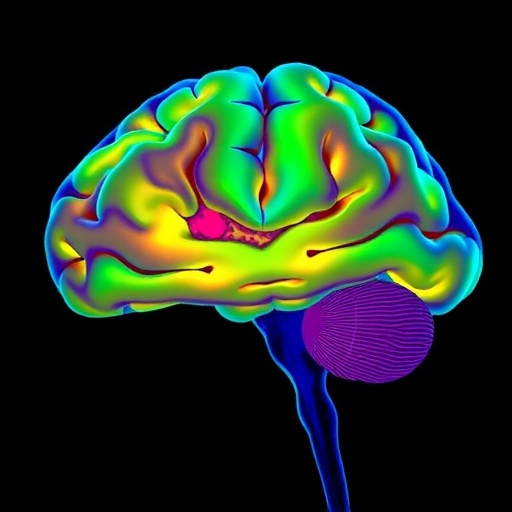
Dr. Wemmie’s research pivots away from solely targeting opioid receptors and instead concentrates on the nucleus accumbens core (NAcC), a critical component of the brain’s reward system. The NAcC mediates motivation and reinforcement learning, playing a central role in addiction. Long-term changes in synaptic plasticity within this region are believed to underpin the persistent behavioral patterns seen in relapse.
Previous studies by the Iowa team revealed that inhibiting CA4 reduced maladaptive synaptic rearrangements induced by cocaine exposure in animal models, subsequently decreasing relapse-like behaviors. Building on this foundation, the team hypothesized that acetazolamide, by blocking CA4, might similarly counteract the neural adaptations caused by opioid use.
Mechanistically, CA4 inhibition leads to enhanced activity of acid-sensing ion channels (ASICs) in the NAcC. ASICs respond to minor fluctuations in extracellular acidity during normal neurotransmission. When ASIC function is diminished, neurons become hyperresponsive to drug-induced changes, amplifying drug craving and reinforcing relapse pathways. Conversely, upregulating ASIC activity through CA4 blockade stabilizes synaptic connectivity, reducing the neurochemical drivers of drug-seeking.
In their latest study published in the journal Neuropsychopharmacology, the researchers demonstrated that both genetic disruption of CA4 and administration of a single dose of acetazolamide effectively reversed opioid-induced synaptic changes in the NAcC of mice. These interventions not only prevented strengthening of drug-related synapses known to promote relapse but also attenuated oxycodone-seeking behaviors during withdrawal, suggesting a robust mechanism for relapse prevention.
Acetazolamide’s established safety profile as an FDA-approved drug underscores the translational potential of this approach. Its widespread clinical use in managing conditions unrelated to addiction means that repurposing it for OUD could expedite the path from bench to bedside, bypassing many early-phase safety trials that new drugs usually require.
Opioid addiction remains a grim public health crisis, with overdose deaths maintaining staggering rates worldwide, particularly among young adults. Current therapeutic regimens, while invaluable, have not fully stemmed the tide of relapse, underscoring the urgent need for novel strategies that address the lingering neurological impact of opioid exposure.
This research marks a paradigm shift, suggesting that targeting synaptic alterations and intrinsic neuronal sensitivity within the reward circuitry might be the key to durable recovery. By modulating upstream regulators such as CA4, scientists may devise treatments that recalibrate the brain’s circuitry disrupted by chronic drug use, reducing relapse vulnerability.
The implications extend beyond opioid addiction. Given the commonalities in synaptic plasticity mechanisms across various substance use disorders, acetazolamide and CA4 inhibition could potentially be effective against a broader spectrum of addictive behaviors, opening new vistas for addiction therapy.
The interdisciplinary team, including researchers Subhash Gupta, Rebecca Taugher-Hebl, Ali Ghobbeh, Marshal Jahnke, Rong Fan, and Ryan LaLumiere, collectively advanced this promising therapeutic avenue, supported in part by grants from the National Institute on Drug Abuse, the Department of Veterans Affairs, and the Roy J. Carver Charitable Trust.
In essence, this study is a beacon of hope that leverages existing pharmacological tools to tackle one of the most pressing and complex challenges in modern medicine—sustained recovery from opioid addiction. It exemplifies how a deep understanding of brain biochemistry and neural circuits can pave the way for innovative treatments that transform lives debilitated by addiction.
Subject of Research: Animals
Article Title: Acetazolamide inhibition of carbonic anhydrase 4 reverses opioid-induced synaptic rearrangements in nucleus accumbens and reduces drug-seeking behavior
News Publication Date: 21-Jan-2026
Web References:
https://www.nature.com/articles/s41386-025-02319-5
http://dx.doi.org/10.1038/s41386-025-02319-5
Image Credits: University of Iowa Health Care
Keywords: opioid use disorder, relapse prevention, acetazolamide, carbonic anhydrase 4, nucleus accumbens core, acid-sensing ion channels, synaptic plasticity, addiction therapy, drug-seeking behavior, synaptic rearrangements
Tags: acetazolamide in addiction treatmentbrain mechanisms in drug-seeking behaviorenhancing recovery with novel medicationsinnovative therapies for opioid addictionlimitations of traditional OUD treatmentsneurobiological changes in opioid relapsenew approaches in addiction medicinerelapse prevention strategies for opioid addictionrepurposing existing drugs for opioid use disordertargeting carbonic anhydrase 4 in the braintherapeutic targets for substance use disordersUniversity of Iowa Health Care research