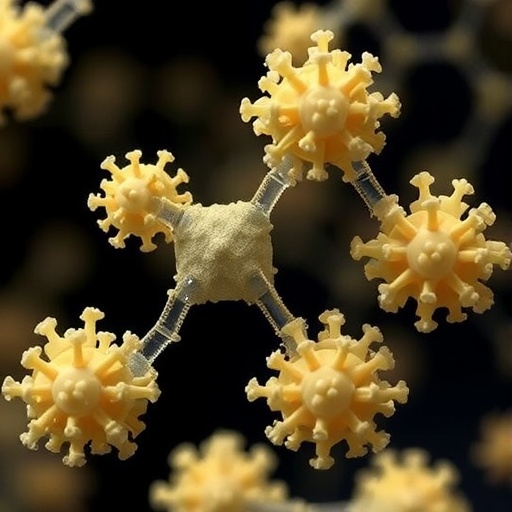
In the rapidly progressing field of synthetic biology, researchers are increasingly focused on the engineering of metabolic pathways to enhance the production of specific biomolecules, such as fatty acids. A team of scientists led by Ludig D.L., Zhai X., and Rittner A. has made a significant breakthrough by engineering metazoan fatty acid synthase (FAS) to exert precise control over fatty acid chain length. This pioneering study, published in Nature Chemical Biology, explores the potential applications of this modified enzyme in yeast, opening doors to innovative biotechnological applications.
Fatty acids are fundamental components of lipid metabolism and serve as crucial building blocks for a myriad of biological structures, such as membranes, energy sources, and signaling molecules. Given the industrial importance of fatty acids, particularly in the food, cosmetics, and biofuel sectors, it is vital to develop efficient methods for producing specific fatty acid chain lengths. Traditional methods often yield a mix of products, making it difficult to achieve the desired specifications for industrial applications. The research team aimed to target this challenge head-on through their innovative engineering efforts.
The process of engineering fatty acid synthases involves manipulating specific amino acid sequences within the enzyme that govern its enzymatic properties. By applying advanced techniques such as site-directed mutagenesis and directed evolution, the researchers were able to generate variants of metazoan FAS that demonstrated a significantly altered chain-length specificity. This strategic manipulation allowed the scientists to steer the metabolic flux toward producing fatty acids of predetermined lengths.
One of the standout features of this research was the successful integration of the engineered FAS into the yeast genome. Yeast is a favored organism in biotechnological applications due to its eukaryotic nature, which allows for complex post-translational modifications and high-yield production systems. The integration involved assessing the codon usage for optimal expression and ensuring that the engineered enzyme operated effectively within the metabolic framework of the yeast cells.
Furthermore, the study elucidated the impact of varying cultivation conditions on the performance of the engineered yeast strains. By optimizing growth parameters—such as temperature, pH, and nutrient levels—the researchers were able to maximize the output of desirable fatty acids. This systematic approach to refining the production environment of the yeast is a vital step toward achieving scalable industrial applications.
In terms of performance metrics, the engineered yeast strains exhibited a remarkable increase in specific fatty acid production compared to their wild-type counterparts. Quantitative analyses demonstrated an ability to produce fatty acids with chain lengths that were previously challenging to isolate in significant quantities. This not only enhances the commercial viability of synthetic fatty acid production but also reduces reliance on traditional extraction methods from plants and animals, which can be ecologically damaging.
The findings provoked excitement in the synthetic biology community, particularly due to their implications for sustainable production practices. The ability to engineer microorganisms to produce targeted fatty acids could pave the way for replacing fossil fuel-derived products with bio-based alternatives, significantly reducing greenhouse gas emissions and fostering more sustainable production methods across various industries.
Moreover, the research serves as a reference point for future inquiries into the genetic engineering of metabolic pathways. The engineered variants of metazoan FAS can serve as templates for further optimizations, bringing forth the potential for more complex manipulation of fatty acid metabolism. This study not only showcases the versatility of synthetic biology but also emphasizes the importance of interdisciplinary approaches, integrating genetics, metabolic engineering, and environmental considerations.
As synthetic biology continues to evolve, the challenges surrounding the commercialization of engineered products must be addressed. Regulatory frameworks often lag behind technological advancements, which could create barriers to market entry for novel biotechnologies that utilize modified organisms. Consequently, ongoing dialogues between scientists, policymakers, and industry leaders will be crucial to ensuring that innovations like the engineered metazoan fatty acid synthase can transition from the laboratory to real-world applications.
In closing, this breakthrough research by Ludig and colleagues stands as a significant milestone in the quest for precision in fatty acid production. By engineering metazoan FAS to exert control over fatty acid chain length, the team has opened up possibilities for new biotechnological applications. The implications stretch far beyond academia, promising to revolutionize industries centered around fatty acid utilization and contributing to the broader goals of sustainability and environmental stewardship. The road ahead is filled with potential, and collaboration will be key in harnessing these advances for societal benefit.
Subject of Research: Engineering Metazoan Fatty Acid Synthase for Controlled Chain Length Production in Yeast
Article Title: Engineering metazoan fatty acid synthase to control chain length applied in yeast.
Article References:
Ludig, D.L., Zhai, X., Rittner, A. et al. Engineering metazoan fatty acid synthase to control chain length applied in yeast.
Nat Chem Biol (2026). https://doi.org/10.1038/s41589-025-02105-w
Image Credits: AI Generated
DOI: https://doi.org/10.1038/s41589-025-02105-w
Keywords: Fatty acids, metazoan fatty acid synthase, synthetic biology, yeast, metabolic engineering, sustainable production, biotechnological applications, genetic engineering.
Tags: biomolecule production innovationsbiotechnological advancements in fatty acidsenzyme engineering techniquesfatty acid synthesis controlfood and biofuel industriesindustrial fatty acid productionlipid metabolism in yeastmetabolic pathway engineeringmetazoan fatty acid synthase modificationsynthetic biologytargeted fatty acid chain lengthyeast biotechnology applications