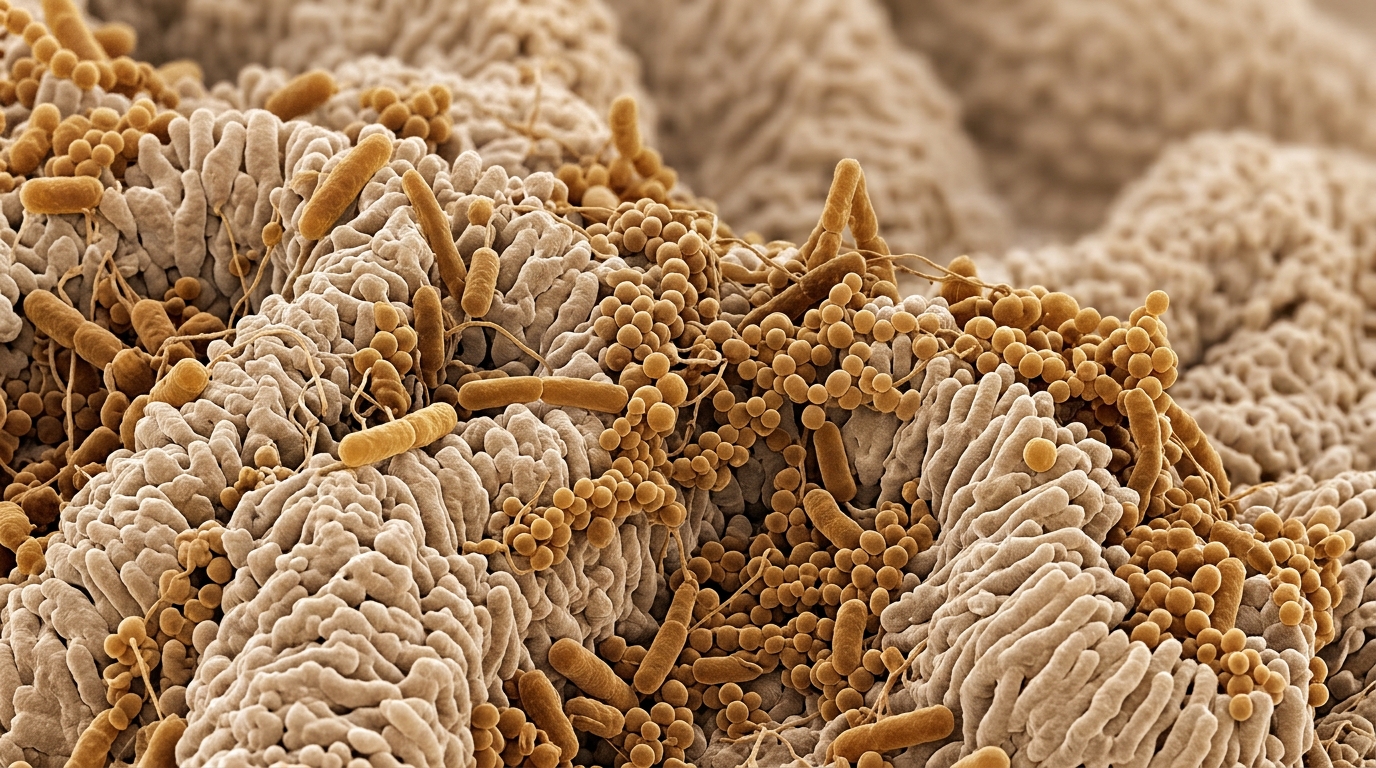
Researchers have outlined a comprehensive observational study protocol designed to investigate the relationship between gut microbiota composition and eating disorders in children and adolescents. The project, known as PSYNIGED, focuses on young patients experiencing their first episode of an eating disorder, aiming to bridge the gap in current scientific understanding regarding the gut-brain axis in this specific demographic. The study is structured as a longitudinal observational protocol, published in BMC Nutrition, which details the methods for assessing clinical, psychological, and biological variables in a controlled setting.
The background of the research highlights that eating disorders are severe and complex psychiatric conditions characterized by abnormal eating patterns. An integrative biopsychosocial model has been developed to describe vulnerability to these conditions, as well as their maintenance and treatment resistance. Potential predisposing factors for anorexia nervosa include neurobiological and genetic factors, psychological traits, and early life experiences. More specifically, dysregulation of brain neurotransmitters and reward systems, appetite-regulating neuropeptides, and the hypothalamic-pituitary-adrenal axis have been identified as key components. Additionally, bidirectional communication between the gut microbiome and the brain has been pointed out as a critical area of interest, although studies characterizing gut microbiota features in anorexia nervosa patients remain scarce.
The primary objective of the PSYNIGED study is to investigate differences in gut microbiota composition and microbial-related metabolite levels between children and adolescents with a first-episode eating disorder and matched healthy controls. The research team aims to discern the mechanisms operating in specific stages of the disease and in specific diagnostic subtypes.
The study design involves a cross-sectional, controlled assessment of children and adolescents who have been newly diagnosed with an eating disorder and have had symptoms for less than one year. Healthy preadolescents and adolescents will serve as the control group to provide a baseline for comparison. The assessment includes a wide range of clinical and biological measures, such as clinical status, medical history, early life experiences, and psychometric tests. The study will utilize shotgun metagenomics to analyze gut microbiota composition and function, providing a detailed view of the microbial community present in the gastrointestinal tract.
In addition to microbiota analysis, the protocol includes the examination of appetite-regulating peptides, neurotransmitters, inflammatory cytokines, and short-chain fatty acids. The study will also explore the associations between psychological variables, dietary patterns, microbiota composition, and these neuroendocrine and inflammatory factors.
For patients willing to undergo a second assessment, the study will analyze clinical variables, microbiota, and blood biomarkers after one year of treatment. Understanding the regulatory mechanisms of physiological functions affected by eating disorders, such as appetite control, reward systems, and energy homeostasis, could help advance the design of personalized treatments. The role of gut microbiota in these systems is a particular focus, as it may offer new avenues for understanding and managing the condition. The study registration is listed on ClinicalTrials.gov with the ID NCT07066033, released on July 3, 2025.
Subject of Research: Observational study protocol on gut microbiota and psychoneuroimmunology in pediatric eating disorders
Article Title: Getting into the guts of eating disorders in children and adolescents, with a perspective from psychoneuroimmunology (the PSYNIGED study): an observational, longitudinal study protocol
Article References: Nova, E., Faya, M., Muñoz-Domenjó, A., Díaz-Prieto, L. E., del Pozo, S., Alvarez-Anaya, R., González-Álvarez, S., Sánchez-Rubio, C., Velázquez-Gil, M., Graell, M., Avendaño-Ortiz, J., Ramos-Rojo, E., & Marcos, A. (2026). Getting into the guts of eating disorders in children and adolescents, with a perspective from psychoneuroimmunology (the PSYNIGED study): an observational, longitudinal study protocol. BMC Nutrition. https://doi.org/10.1186/s40795-026-01505-y
Image Credits: AI Generated
DOI: 10.1186/s40795-026-01505-y
Keywords: eating disorders, gut microbiota, psychoneuroimmunology, pediatric research, study protocol, anorexia nervosa, gut-brain axis, metagenomics, longitudinal study, BMC Nutrition, Getting, guts
News Source: Morgan Morrow. (November 8, 2026). PSYNIGED Protocol: Gut Microbiota in Pediatric Eating Disorders. Scienmag.