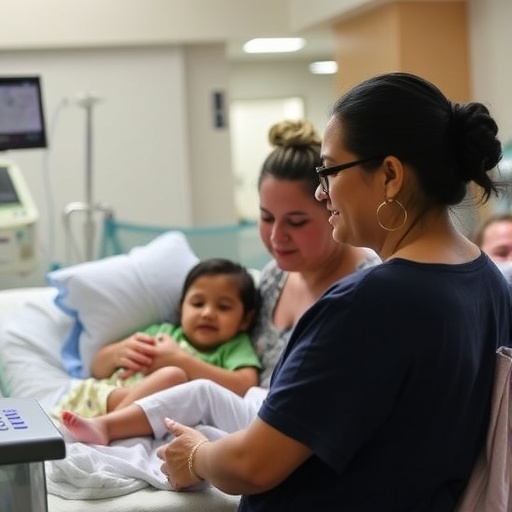
The issue of birthright citizenship has increasingly come to the forefront of international debate, especially in relation to its implications for maternal and child health among immigrant populations. A new study, titled “Stateless at Birth — Birthright Citizenship and the Safeguarding of Immigrant Maternal and Child Health,” sheds light on these critical aspects. Conducted by researchers Fabi, Santos, and Sommers, the article explores the intersections of legal status, healthcare access, and the potential long-term consequences of statelessness on maternal and child health outcomes.
At its core, the research illuminates a pressing public health concern: the health disparities faced by immigrant families who find themselves in precarious legal situations. The findings suggest that when children are born stateless, their access to necessary healthcare services is severely hampered. This is particularly evident in the context of maternal health, where the lack of citizenship can deter mothers from seeking prenatal and postnatal care, potentially leading to adverse health outcomes for both mothers and their children.
The study utilizes a mixed-methods approach, combining quantitative data with qualitative interviews to provide a comprehensive overview of the challenges faced by stateless families. By analyzing existing health data and policies, the researchers reveal stark differences in health outcomes between citizen and non-citizen families. These disparities emphasize the need for policy reforms to safeguard the rights of all mothers and children, regardless of their legal status.
One of the most striking findings of the research is the impact of statelessness on the mental health of immigrant mothers. The anxiety and instability associated with being denied citizenship can lead to a range of psychological issues, including depression and increased stress levels. These mental health challenges not only affect the mothers themselves but can also have profound implications for their children’s development and overall well-being.
Moreover, the research highlights the role of healthcare providers in mitigating these challenges. Educating medical professionals about the legal and social barriers faced by immigrant families is essential. By fostering a supportive environment, healthcare providers can encourage mothers to seek the care they need without the fear of discrimination or reporting. This approach could help bridge the gap in maternal and child health outcomes among different population groups.
Additionally, the article calls attention to the systemic inequalities embedded in health care systems that often marginalize non-citizens. The researchers argue that policies promoting equitable access to healthcare for all individuals, regardless of their immigration status, are critical in addressing these disparities. By implementing inclusive healthcare policies, societies can ensure that all children receive the vital care they need for healthy growth and development.
The implications of this research extend beyond health policy. They touch on broader themes of citizenship, belonging, and social justice. The question of who is granted citizenship and the rights that accompany it is a fundamental issue that influences not only access to healthcare but also the legitimacy with which immigrant families can claim their place in society. By framing the conversation around birthright citizenship within the context of health, the researchers open up new avenues for advocacy and reform.
In conclusion, the study “Stateless at Birth” provides a vital analysis of the intersection between immigration, citizenship, and public health. By bringing attention to the unique challenges faced by stateless families, the researchers underscore the urgent need for reform in both immigration laws and healthcare policies. The implications of their findings resonate beyond the realm of health, urging society to reconsider the fundamental rights afforded to all individuals, regardless of their citizenship status. As discussions around immigration policy continue to evolve, this research serves as a crucial reminder of the ethical obligation to safeguard the health and well-being of all children and mothers.
In an era when global migration is becoming increasingly common, understanding the health ramifications for immigrant families is paramount. Policymakers and healthcare providers must work together to create inclusive systems that prioritize the rights of all individuals, particularly the most vulnerable. The experiences of stateless families highlight the urgent need for compassion, understanding, and action in the face of complex societal challenges.
To address these pressing issues, more research is necessary to further explore the links between legal status, health access, and outcomes. Funding should be allocated to studies that examine not only the immediate health effects but also the long-term implications of statelessness on familial and community health. By investing in this area of research, we can better equip ourselves to tackle the inequalities faced by immigrant populations and strengthen the overall health of our societies.
In summary, the article “Stateless at Birth” provides a critical examination of the complex interplay between birthright citizenship and maternal and child health within immigrant communities. The insights derived from this research can serve as a catalyst for meaningful change in healthcare policy, ultimately promoting healthier outcomes for immigrant families and reinforcing the principle that health is a universal right, not a privilege.
Subject of Research: Birthright Citizenship and its Impact on Maternal and Child Health Among Immigrant Families
Article Title: Stateless at Birth — Birthright Citizenship and the Safeguarding of Immigrant Maternal and Child Health
Article References:
Fabi, R.E., Santos, P.M.G., Sommers, B.D. et al. Stateless at Birth — Birthright Citizenship and the Safeguarding of Immigrant Maternal and Child Health.
J GEN INTERN MED (2026). https://doi.org/10.1007/s11606-025-10117-4
Image Credits: AI Generated
DOI: https://doi.org/10.1007/s11606-025-10117-4
Keywords: Birthright Citizenship, Maternal Health, Child Health, Immigrant Families, Statelessness, Public Health Policy, Health Disparities, Mental Health, Healthcare Access.
Tags: birthright citizenship and maternal healthhealth outcomes for stateless childrenhealthcare access for undocumented immigrantsimmigrant family health disparitiesimmigrant maternal health disparitieslegal status and child health outcomesmaternal health and legal barriersmixed-methods research in maternal healthpostnatal care challenges for stateless familiesprenatal care for immigrant motherspublic health implications of citizenshipstatelessness and healthcare access