


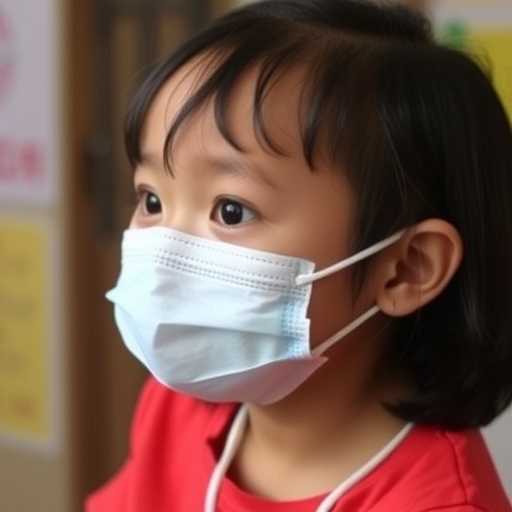
In recent years, understanding the complexities surrounding pediatric healthcare management has become a crucial part of medical research. A groundbreaking study conducted by a team of researchers from Shanghai provides significant insights into the characteristics of high-need high-cost children within the inpatient setting. This research initiative sheds light on various patient demographics and their correlating health challenges, ultimately aiming to improve the efficacy of healthcare systems for this vulnerable population.
The term “high-need high-cost” children refers to those who frequently require extensive medical interventions and resources, resulting in significant portions of healthcare expenditures. These children often present a unique set of health issues requiring comprehensive and coordinated management. The researchers aimed to identify the defining factors that contribute to high healthcare utilization, a topic that remains both pertinent and pressing in China’s evolving healthcare landscape.
The retrospective cohort study spanned several years and involved a significant cohort of pediatric patients admitted to hospitals in Shanghai. The methodology revolved around meticulous data collection and analysis, tracking patient interactions and treatments to decipher patterns in healthcare resource utilization. The research emphasized the importance of utilizing robust statistical models and machine learning techniques to derive meaningful conclusions from a large dataset. This methodology underscores a movement towards data-driven decision-making in healthcare.
Researchers analyzed a wealth of variables including age, socioeconomic status, underlying health conditions, and healthcare access. The variability of these factors among children in different demographics highlighted a critical juncture in pediatric healthcare. The findings suggest that socioeconomic disparities significantly affect the health outcomes of children, leading to a disproportionate impact on low-income families. This observation aligns with existing literature that frequently points to socio-economic status as a predictor of health trajectories, emphasizing the urgent need for tailored healthcare interventions.
The study also revealed that specific chronic health conditions frequently co-occurred in the cohort, leading to compounded health challenges. It became clear that children suffering from multiple chronic ailments faced heightened hospitalization rates, which further complicated their care continuity and increased the cost burden on healthcare systems. The interplay between chronic diseases and the healthcare response necessitated a robust infrastructure that could support integrated care models.
One pivotal aspect of the research was the identification of gaps in communication and care coordination among healthcare providers. Effective management of high-need high-cost children demands an integrated approach that combines various specialty services. Clearly, the absence of streamlined communication channels can lead to lapses in care, ultimately jeopardizing patient outcomes. As the study’s findings suggest, optimizing communication pathways is a critical step toward addressing these challenges, thereby enhancing the quality of care provided.
The researchers also discussed the implications of their findings, highlighting the need for policy reform to address the barriers faced by families with high-need high-cost children. Current healthcare policies must evolve to accommodate comprehensive services, prioritize preventative care, and ensure that families have access to the necessary resources. Advocating for such reforms will require concerted efforts from healthcare professionals, policymakers, and caregivers alike.
Furthermore, the study highlighted the potential role of technology in managing high-need high-cost children. Innovations in telemedicine and mobile health applications can bridge gaps in care by providing families with real-time access to medical advice and support. These technologies can facilitate more efficient monitoring of health conditions and enable timely interventions, potentially reducing hospitalization rates and associated costs.
As the research comes to light, it invites other scholars and healthcare professionals to further explore this complex intersection between healthcare utilization, socio-economic factors, and patient outcomes. The necessity for multidisciplinary collaborations grows ever significant, combining insights from epidemiology, sociology, and health policy to create a holistic understanding of the challenges faced by these pediatric patients.
In summary, the findings from the study underscore a pressing need for cohesive strategies that cater to high-need high-cost children. By illuminating the multifaceted characteristics and contributory factors identified through exhaustive research, there lies potential for transformative changes in care delivery models across Shanghai and beyond. The implications for public health policy resonate globally as many nations grapple with similar challenges in pediatric healthcare.
Amidst these revelations, it becomes clear that our approach to healthcare must be reimagined, exploring new ways to meet the needs of some of our most vulnerable populations. Recognizing the unique patient profiles and developing tailored interventions represents not just an opportunity, but a responsibility to enhance the pediatric healthcare landscape. Researchers hope that this study will spur further inquiries, leading to practical solutions that ultimately improve the lives of children grappling with significant health challenges.
The long-term vision is to cultivate an ecosystem where high-need high-cost children receive the specialized care required to thrive. Enhanced understanding fosters development, and as this chapter in pediatric care unfolds, the potential for real change seems more palpable than ever. Health systems must continue to adapt and innovate, ensuring that every child, regardless of circumstance, has the opportunity for a healthier future.
The study ultimately posits that an informed understanding of high-need high-cost children is crucial for developing sustainable health systems. As we move forward, embracing a culture of research and discourse will prove invaluable in shaping an equitable healthcare landscape. Collaborations across disciplines, along with stakeholder engagement, will create pathways to implement the necessary changes required to uplift the most vulnerable members of our communities.
Subject of Research: High-need high-cost children in Shanghai, China
Article Title: Characteristics and related factors of high-need high-cost children in Shanghai, China: a retrospective cohort study in inpatient setting
Article References:
Zhang, P., Zhu, B., Xiaohui, H. et al. Characteristics and related factors of high-need high-cost children in Shanghai, China: a retrospective cohort study in inpatient setting. BMC Pediatr 25, 979 (2025). https://doi.org/10.1186/s12887-025-06332-x
Image Credits: AI Generated
DOI: https://doi.org/10.1186/s12887-025-06332-x
Keywords: Pediatric healthcare, high-need high-cost children, socioeconomic factors, healthcare disparities, integrated care models, telemedicine.
Tags: comprehensive health challengeshealthcare expenditure analysisHealthcare Resource Utilizationhigh-need high-cost childrenimproving healthcare systemsinpatient pediatric patientsmachine learning in medicinepediatric healthcare managementretrospective cohort studyShanghai healthcare researchstatistical models in healthcarevulnerable pediatric population



