• HOME
  • NEWS
  • EXPLORE
    • CAREER
      • Companies
      • Jobs
    • EVENTS
    • iGEM
      • News
      • Team
    • PHOTOS
    • VIDEO
    • WIKI
  • BLOG
  • COMMUNITY
    • FACEBOOK
    • INSTAGRAM
    • TWITTER
Thursday, June 25, 2026
BIOENGINEER.ORG
No Result
View All Result
  • Login
  • HOME
  • NEWS
  • EXPLORE
    • CAREER
      • Companies
      • Jobs
        • Lecturer
        • PhD Studentship
        • Postdoc
        • Research Assistant
    • EVENTS
    • iGEM
      • News
      • Team
    • PHOTOS
    • VIDEO
    • WIKI
  • BLOG
  • COMMUNITY
    • FACEBOOK
    • INSTAGRAM
    • TWITTER
  • HOME
  • NEWS
  • EXPLORE
    • CAREER
      • Companies
      • Jobs
        • Lecturer
        • PhD Studentship
        • Postdoc
        • Research Assistant
    • EVENTS
    • iGEM
      • News
      • Team
    • PHOTOS
    • VIDEO
    • WIKI
  • BLOG
  • COMMUNITY
    • FACEBOOK
    • INSTAGRAM
    • TWITTER
No Result
View All Result
Bioengineer.org
No Result
View All Result
Home NEWS Science News Biology

Producing food whilst preserving biodiversity

Bioengineer by Bioengineer
May 14, 2019
in Biology
Reading Time: 2 mins read
0
IMAGE
Share on FacebookShare on TwitterShare on LinkedinShare on RedditShare on Telegram

Agricultural ecologists at the University of Göttingen call for joined-up thinking for nature conservation
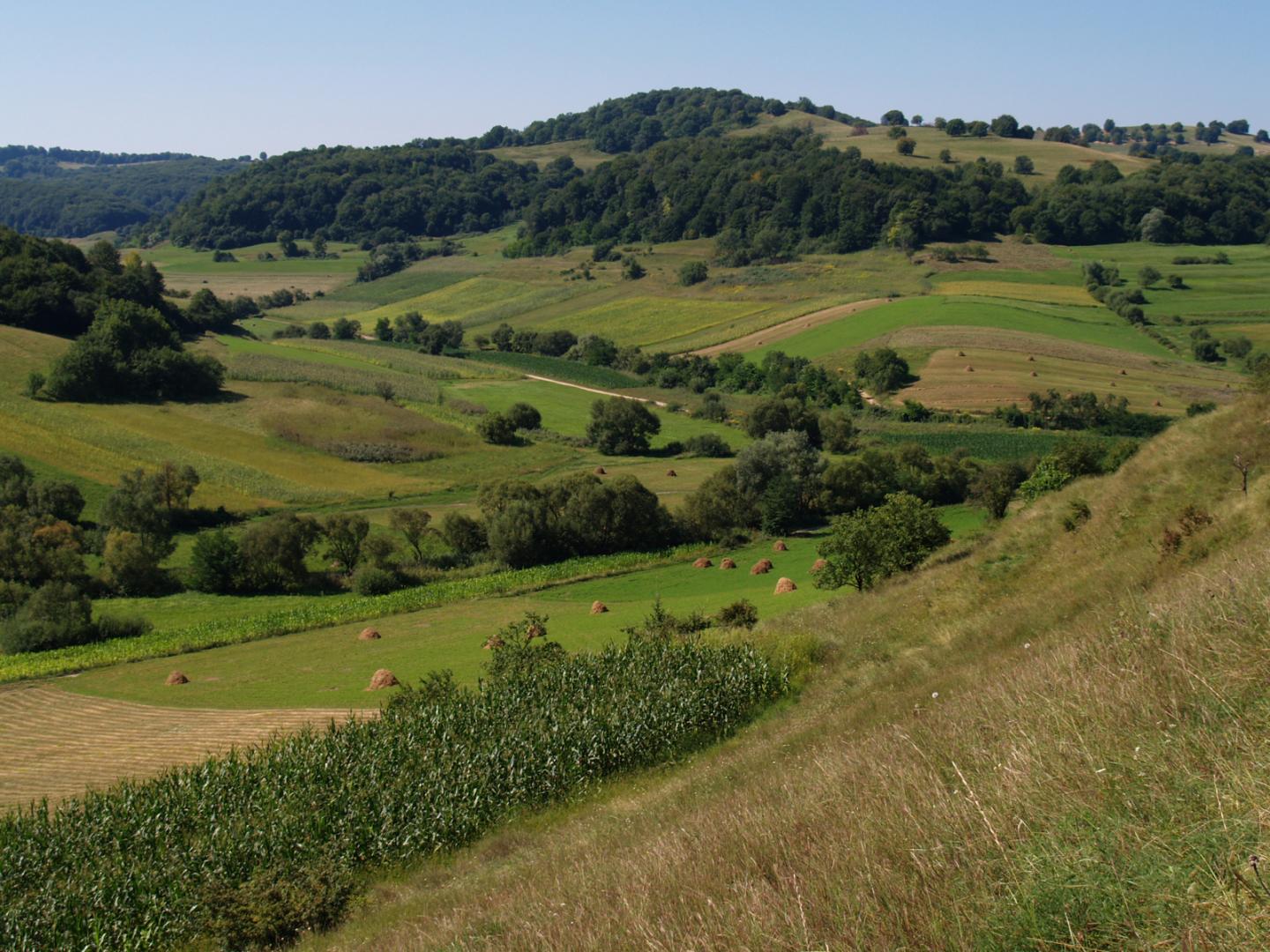
IMAGE

Credit: Laura Sutcliffe

In nature conservation and agriculture, there are two opposing views of how to combine high biodiversity and sustainable food production: nature conservation should either be integrated into agricultural land, or segregated into protected areas in order to enable maximum yields in the food production areas. Researchers at the University of Göttingen advocate coordinated approaches that combine nature conservation and agricultural production in sustainably managed landscapes. The results have been published in the journal People and Nature.

“Many researchers argue that agricultural production on existing land should be intensified to increase yields while reducing agricultural pressure on the last areas of wilderness. This approach is being pursued primarily in tropical countries,” explains Dr Ingo Grass from the Division of Agroecology at the University of Göttingen, first author of the study. “However, biodiversity and agriculture are often closely intertwined and many species are also beneficial to the farmer. In the agricultural landscapes of Europe, many species worth protecting have adapted to extensively cultivated habitats. These species are threatened by increasing agricultural intensification,” adds Professor Teja Tscharntke, Head of Division.

In their interdisciplinary study, the researchers argue for a stronger integration of these two contrasting viewpoints. “Modern and sustainable agricultural landscapes require protected areas and high-yield food-production areas, untouched habitats as well as extensively farmed areas. This combination not only enables the highest species diversity, but also promotes ecosystem services such as pollination and biological pest control by insects and farmland birds. These are essential for sustainable agricultural production,” says Grass. According to the authors, the various landscape elements and habitats should be connected by hedges or strips of land in order to create maximum biodiversity and benefits to people.

###

Original publication: Grass, I. et al. Land-sharing/-sparing connectivity landscapes for ecosystem services and biodiversity conservation. People and Nature (2019). Doi: https://doi.org/10.1002/pan3.21

Contact:

Dr Ingo Grass

University of Göttingen

Department of Crop Sciences – Agroecology

Grisebachstraße 6, 37073 Göttingen

Email: [email protected]

Professor Teja Tscharntke

University of Göttingen

Department of Crop Sciences – Agroecology

Email: [email protected]

https://www.uni-goettingen.de/en/74726

Media Contact
Melissa Sollich
[email protected]

Original Source

https://www.uni-goettingen.de/en/3240.html?id=5444

Related Journal Article

http://dx.doi.org/10.1002/pan3.21

Tags: Agricultural Production/EconomicsAgricultureBiodiversityEcology/EnvironmentFertilizers/Pest ManagementFood/Food ScienceForestry
Share12Tweet8Share2ShareShareShare2

Related Posts

Natural Hallucinogens: Evolution’s Ecological Tools, Not Mere Chemical Byproducts

June 25, 2026

This Famous Butterfly Revealed: Three Distinct Species Hidden in One

June 25, 2026

Scientists Attack Soybean Cyst Nematode by Starving Its Food Source

June 25, 2026

Decoding the Secret Code of a Crucial Immune Sensor

June 24, 2026
Please login to join discussion

POPULAR NEWS

  • Saying Goodbye to PGY-6: Pediatric Fellowship Realities

    103 shares
    Share 41 Tweet 26
  • Multi-Hospital Study Reveals Long Covid Burden Is Twice as High as Current Estimates

    92 shares
    Share 36 Tweet 23
  • Detection of EDCs in Breast Milk and Infant Urine Up to Six Months Highlights Early Exposure Risks

    77 shares
    Share 31 Tweet 19
  • New Drug Candidate Developed at McMaster Shows Potential for Treating Brain Cancer

    58 shares
    Share 23 Tweet 15

About

We bring you the latest biotechnology news from best research centers and universities around the world. Check our website.

Follow us

Recent News

Tracking Lanthanide-Labeled Microplastics in Plants

POSTECH Researchers Slash Cost of Reconstituted Cell-Free Systems by 95%

AI and Physics Collaborate to Design Advanced Hydrogen Storage Materials

Subscribe to Blog via Email

Success! An email was just sent to confirm your subscription. Please find the email now and click 'Confirm' to start subscribing.

Join 82 other subscribers
  • Contact Us

Bioengineer.org © Copyright 2023 All Rights Reserved.

Welcome Back!

Login to your account below

Forgotten Password?

Retrieve your password

Please enter your username or email address to reset your password.

Log In
No Result
View All Result
  • Homepages
    • Home Page 1
    • Home Page 2
  • News
  • National
  • Business
  • Health
  • Lifestyle
  • Science

Bioengineer.org © Copyright 2023 All Rights Reserved.