Credit: University of Huddersfield
COUNTRIES both rich and poor are confronted with the challenge of making sure that medicines — including new and costly treatments — are widely available and affordable for growing and ageing populations. A newly-appointed University of Huddersfield professor is established as a leading expert on the issue, and his latest book will aid global policy makers.
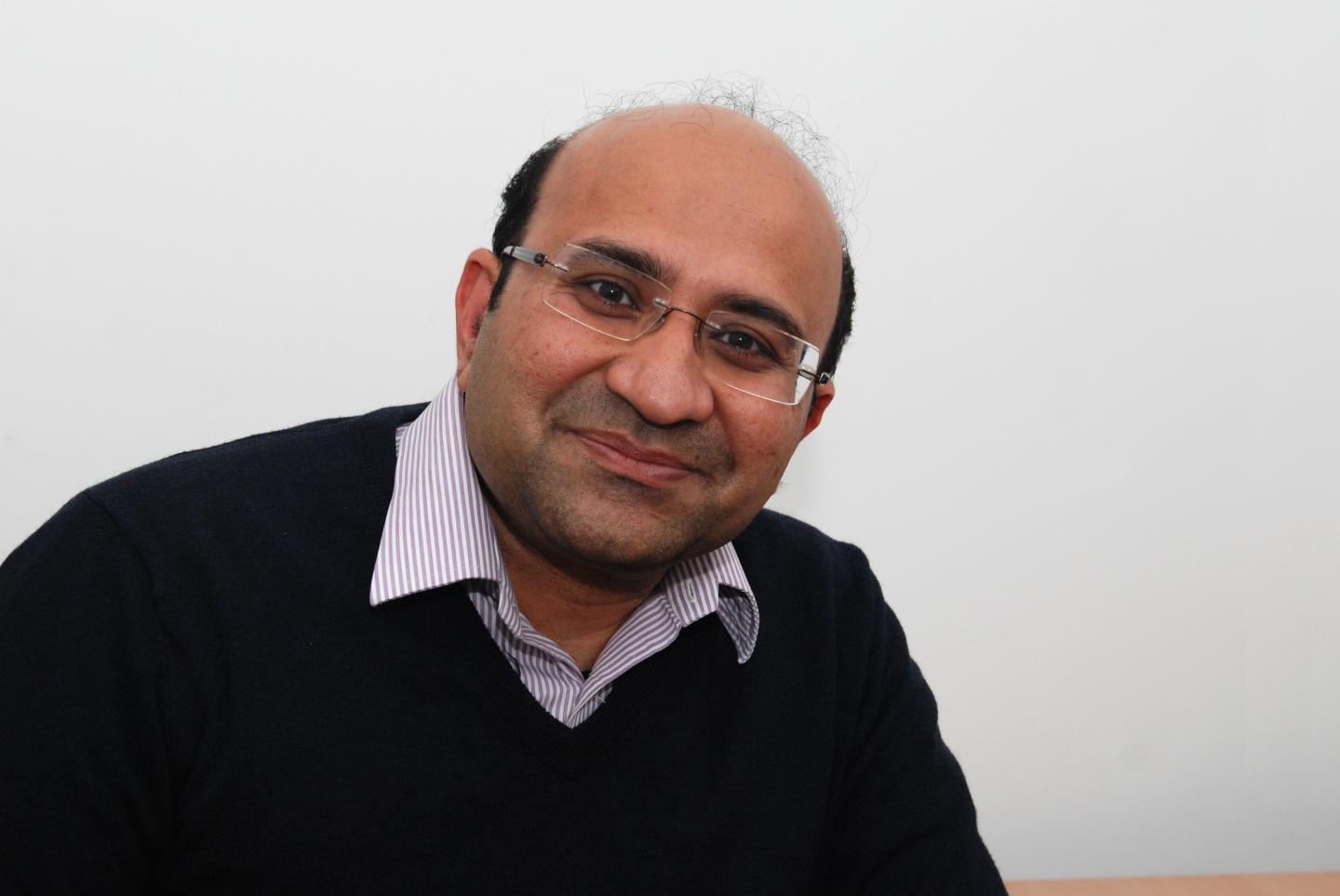
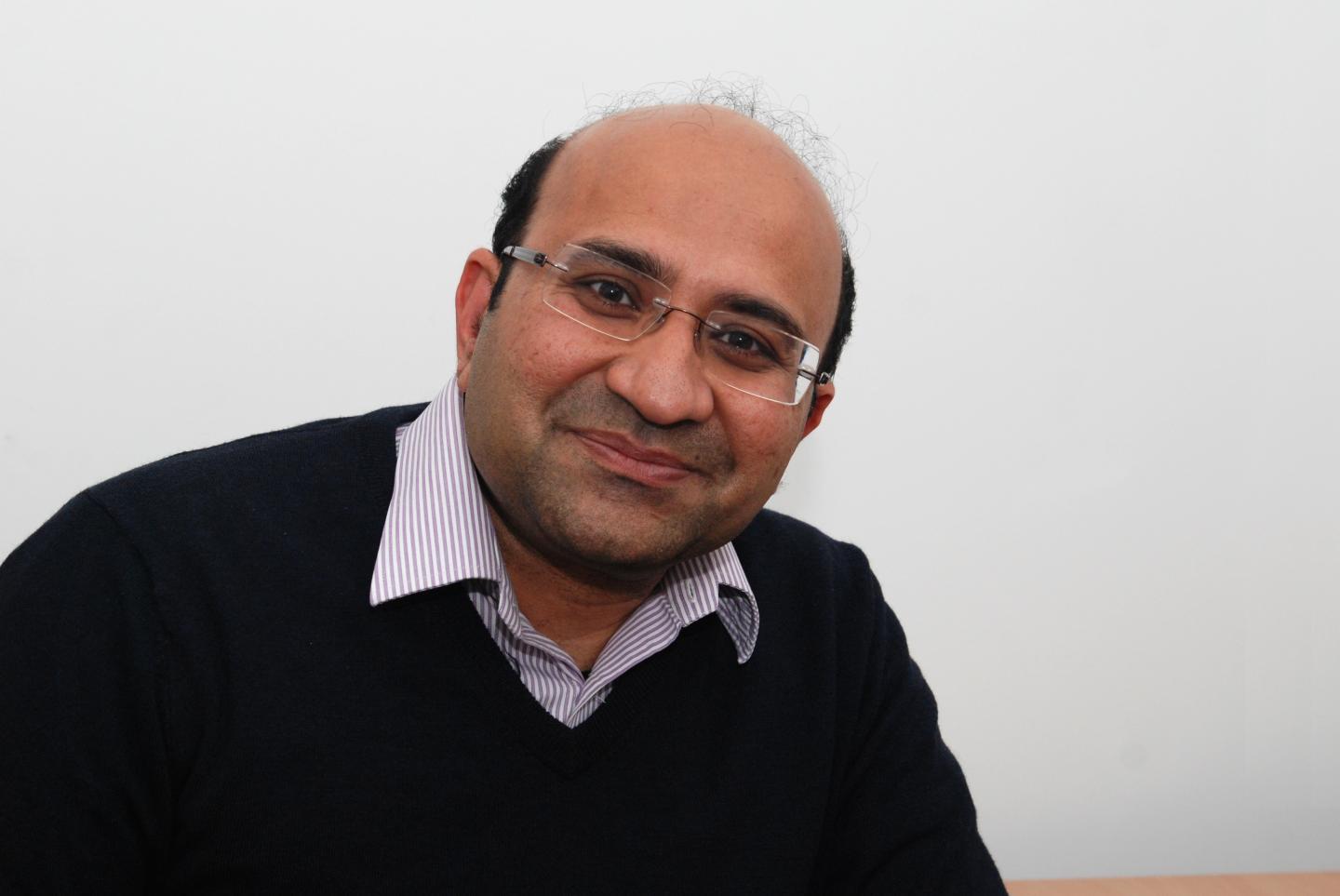
Zaheer-Ud-Din Babar has become Professor in Medicines and Healthcare at the University's Department of Pharmacy. His arrival, after a career that includes academic postings and policy roles in Malaysia and New Zealand, will facilitate his research into the UK's healthcare system.
Access to medicines, including the issue of affordability, is a key strand of Professor Babar's research. "The UK is quite lucky, with its National Health Service, but even in countries where the medicines do receive a subsidy, it is becoming very difficult for governments to subsidise high-cost drugs," he said.
"Previously, for high income countries, access to medicine was not a big issue. But now rich countries are also feeling the heat on how to fund expensive drugs that could cost $50,000 dollars a year per person."
Increased longevity and raised expectations in a world where the internet disseminates knowledge of the latest drugs and treatments add to the burden on healthcare systems. Helping to respond are agencies such as the UK's National Institute of Clinical Excellence (NICE), and equivalents such as Australia's Pharmaceutical Benefits Advisory Committee and New Zealand's Pharmaceutical Management Agency (PHARMAC).
Professor Babar hails such "pharmacoeconomics" agencies as a highly positive development, responsible for demonstrating that drugs, as well as being safe and effective, offer value for money. Now that he has relocated to the UK, after a spell at the University of Auckland as Head of Pharmacy Practice, he will carry out research into NICE.
Books authored and edited by Professor Babar include 2015's Pharmaceutical Prices in the 21st Century, which provides a global overview. His own research has made an impact on policy. Pakistan-born, he moved to Malaysia for his postgraduate degrees and postdoctoral career. It was a country where pharmaceutical prices were exceptionally high – steeper than in nations like Australia with a higher per capita income.
Professor Babar carried out research in conjunction with the World Health Organisation that led the Malaysian government to start monitoring prices of medicines in the country.
Other influential projects and publications include a 2015 article in leading journal The Lancet that described a price comparison of cancer drugs in 16 European countries plus Australia and New Zealand. There were found to be huge price disparities and lack of information about discounts meant that health authorities in different countries were at risk of overpaying for drugs. The article offered evidence that could be used by policy makers.
Soon to be published is Professor Babar's edited book Pharmaceutical Policy in Countries with Developing Healthcare Systems. It covers nations in Africa, Asia, Europe, the Middle East and South America and a large number of case studies is used to highlight key issues, and solutions are tailored to the needs of individual countries.
A common response to the issue of high drug prices is to blame the manufacturers, or "Big Pharma". Professor Babar has never received funding from the pharmaceutical industry and states that all his work is "pro public health". He adds that a "law of the jungle" prevails, so that in different territories, drugs will be priced according to what people will pay.
But he also takes what he describes as a balanced view: "The money spent on research and development is less than the amount drug companies spend on advertising. But, on the other hand, we need to realise that if they didn't invest in medicines they could invest in something else.
"It's a business model for the drug companies. They are investing money, so they want something out of it. But governments also have a responsibility to control prices."
###
Media Contact
Nicola Werritt
[email protected]
01-484-473-315
@HudUniPR
http://www.hud.ac.uk/
############
Story Source: Materials provided by Scienmag