


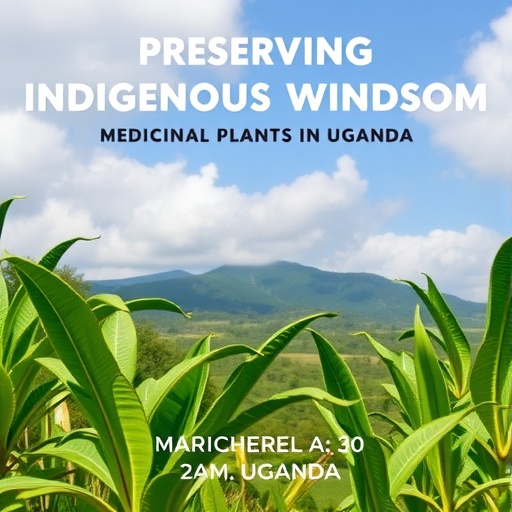
In an era where the rediscovery of traditional practices holds the potential to revolutionize modern medicine, the recent study conducted in Namutumba District, Eastern Uganda, shines a light on the invaluable indigenous knowledge surrounding medicinal plants. This comprehensive research emphasizes not just the uses of these plants, but also the critical conservation strategies and the vital relationship between local communities and their natural environment. The findings underscore the importance of integrating traditional wisdom with contemporary scientific approaches to enhance health outcomes and biodiversity conservation.
The research team, which includes notable figures like Tugume P., Ssenku J.E., and Asiimwe S., delved into the rich tapestry of traditional healing practices within the local communities of Namutumba. They found that the wisdom passed down through generations encompasses a range of practices that are deeply rooted in the cultural and spiritual fabric of the region. By documenting these insights, the research provides an essential resource for both local practitioners and global scholars interested in ethnobotany and pharmacology.
One of the most striking outcomes of the study was the identification of numerous medicinal plants and their applications. Among the various species discussed, some were noted for their efficacy in treating common ailments such as fevers, gastrointestinal disorders, and respiratory problems. The detailed accounts from local herbalists reveal not only the specific plants used but also the methods of preparation and application. Such detailed documentation is crucial, as it adds to the growing body of evidence supporting the medicinal efficacy of these indigenous plants.
The study also highlighted the deep-seated respect that local communities have for their environment. Many of the respondents emphasized the spiritual significance of these plants, viewing them as gifts from nature that must be treated with reverence. This perspective has led to time-honored practices aimed at ensuring the sustainable harvesting of these resources, showcasing a profound understanding of ecological balance that modern education sometimes overlooks.
However, the research team uncovered a worrying trend: the gradual erosion of indigenous knowledge due to modern influences and environmental changes. Urbanization, the proliferation of modern healthcare systems, and climate change are causing significant disruptions to traditional practices. The results of the study serve to remind us that if we do not act to preserve this knowledge, we risk losing a treasure trove of information that has been painstakingly gathered over centuries.
Moreover, the need for conservation measures becomes increasingly pressing as many medicinal plants are threatened by habitat destruction and unsustainable harvesting practices. The findings of the Tugume et al. study advocate for a more concerted effort to protect these vital resources, not only for the sake of the indigenous communities but also for the wider scientific community that stands to benefit from further research into these plants.
In their conclusions, the researchers call for greater collaboration between local healers and medical professionals. They argue that integrating traditional herbal medicine with modern healthcare can lead to improved health outcomes, particularly in rural areas where access to conventional medicine may be limited. By fostering a dialogue between these two worlds, we can create a healthcare system that is multifaceted and inclusive.
Nutrition also plays a pivotal role in the context of this research. The study found that many medicinal plants are also nutritionally significant, with some acting as staples in local diets. This dual role highlights the interconnectedness of health and nutrition in traditional practices, offering a model that could inform contemporary dietary recommendations and food security strategies.
The researchers made a compelling case for funding and resources to support ongoing studies into the benefits of medicinal plants. With growing interest in natural and alternative healthcare, this area of research is ripe for exploration. They advocate for educational programs that empower local communities to document and share their knowledge, thus preserving it for future generations while simultaneously enhancing their standing in the global health dialogue.
In addition to understanding the specific uses of medicinal plants, the study also emphasizes the need for robust policies that promote biodiversity and conservation efforts. Lawmakers and stakeholders must recognize the integral role that indigenous knowledge plays not only in healthcare but also in environmental stewardship. Protecting biodiversity can lead to healthier ecosystems, which in turn benefits human health.
For this research to foster real change, the findings must be communicated widely. The need for translation of this invaluable indigenous knowledge into a language that is accessible to policymakers, scientists, and the general public cannot be overstated. Engaging narratives, educational platforms, and advocacy campaigns can serve as conduits for sharing these insights, ensuring that they reach far beyond the borders of Uganda.
In summary, the study by Tugume et al. presents a clarion call for the recognition of indigenous knowledge in the midst of a rapidly changing world. By embracing the wisdom of those who have lived in close harmony with nature for generations, we can pave the way for a more sustainable and holistic approach to health and conservation. This research not only affirms the relevance of traditional practices in contemporary society but also highlights the urgent need for action to safeguard our planet’s rich biodiversity.
The road ahead is fraught with challenges, yet the potential rewards of integrating indigenous knowledge within the framework of modern medicine and conservation strategies are vast. By working collaboratively and valuing the insights of local communities, we can develop a more comprehensive understanding of health and medicine that honors both the past and the future.
Subject of Research: Indigenous knowledge on the uses and conservation of medicinal plants in Namutumba District, Eastern Uganda.
Article Title: Indigenous knowledge on the uses and conservation of medicinal plants in Namutumba District, Eastern Uganda.
Article References:
Tugume, P., Ssenku, J.E., Asiimwe, S. et al. Indigenous knowledge on the uses and conservation of medicinal plants in Namutumba District, Eastern Uganda. BMC Complement Med Ther (2026). https://doi.org/10.1186/s12906-025-05235-9
Image Credits: AI Generated
DOI:
Keywords: Indigenous knowledge, medicinal plants, conservation, Namutumba District, Eastern Uganda, traditional healing, environmental stewardship, biodiversity, health outcomes, ethnobotany, sustainability.
Tags: community-based conservation effortsconservation strategies for biodiversitycultural significance of medicinal plantsethnobotany and pharmacologyhealing plants for common ailmentsindigenous medicinal plantsintegration of traditional wisdom and modern medicinelocal communities and natural environmentNamutumba District health outcomespreserving indigenous knowledgetraditional healing practices Ugandatraditional practices and modern science



