In a groundbreaking advancement merging neuroscience and artificial intelligence, a novel study has illuminated promising pathways for predicting the onset of impulse control disorders (ICDs) in individuals diagnosed with Parkinson’s disease. Parkinson’s, primarily recognized for its debilitating motor symptoms, often harbors less visible but equally devastating psychiatric complications, among which ICDs pose a significant challenge to patient wellbeing and clinical management. This pioneering research, unfolding over multiple years, leveraged sophisticated machine learning algorithms trained on longitudinal clinical data, signaling a transformative shift in how neurologists may pre-emptively identify at-risk patients and personalize therapeutic strategies.
Impulse control disorders encompass a spectrum of behaviors including pathological gambling, compulsive eating, hypersexuality, and excessive shopping, which, in Parkinson’s patients, can derive from both the neurodegenerative process and dopaminergic treatments. The complexity of these intertwined etiologies has historically made early prediction and diagnosis profoundly elusive. The research team, consisting of Vamvakas, Van Balkom, Van Wingen, and colleagues, embarked on constructing an intricate predictive model by assimilating rich datasets collected from patients over extended timeframes. These data sets included clinical evaluations, demographic variables, neuropsychiatric assessments, and medication regimens, which were systematically analyzed to decode subtle patterns predictive of ICD emergence.
The crux of the study lies in its application of longitudinal machine learning methodologies, which differ fundamentally from traditional cross-sectional analyses. Instead of relying on single time-point snapshots, these models meticulously track changes and trajectories in patient data, allowing the identification of temporal markers that precede explicit behavioral manifestations. This dynamic approach enhances sensitivity and specificity by integrating temporal dependencies and individual variability, thus affording a more nuanced risk stratification framework.
To build the predictive architecture, the research deployed a suite of algorithms including recurrent neural networks and random forest models, optimized through rigorous cross-validation techniques. Notably, the inclusion of temporal data enabled the identification of dynamic risk factors such as fluctuations in dopaminergic medication dosages, progressive shifts in neuropsychiatric scales, and evolving cognitive metrics. The machine learning framework synthesized these diverse inputs, delivering risk probabilities that outperformed conventional clinical prediction models.
The implications of this study are profound, as early identification of ICDs paves the way for timely interventions that can substantially mitigate adverse outcomes. Given that ICDs drastically diminish quality of life and often complicate treatment adherence, the ability to forecast such disorders before clinical manifestation equips clinicians with a powerful tool to tailor therapeutic regimens and closely monitor vulnerable individuals. This predictive precision is particularly critical because managing ICDs often necessitates nuanced balancing of dopaminergic therapies to avoid exacerbating motor symptoms.
Further reinforcing the value of these findings is the study’s extensive cohort, which encompassed a diverse patient population tracked over several years. This robust sample size and prolonged observation period enabled the models to generalize well across demographic and clinical subgroups, increasing their translational potential. Moreover, the model’s predictive accuracy was validated with external datasets, underscoring its reliability and potential as a clinical decision support tool.
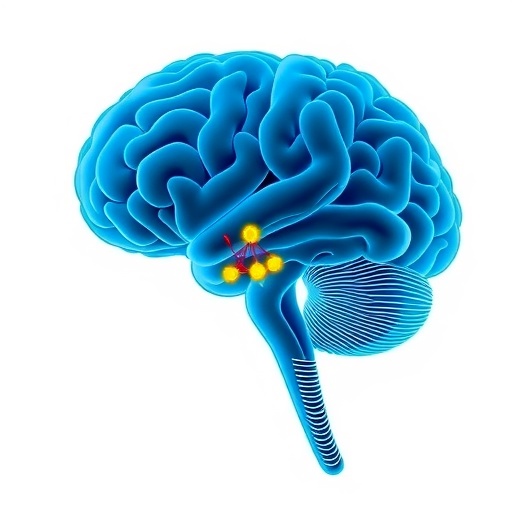
Intricately, the study also ventured into identifying potential neurobiological correlates associated with ICD risk through integrated neuroimaging data. Functional and structural magnetic resonance imaging markers were incorporated alongside clinical variables, revealing that alterations in frontostriatal circuits and limbic structures significantly contributed to model performance. This neurobiological insight substantiates the mechanistic underpinnings of ICDs in Parkinson’s disease and offers promising avenues for biomarker development.
Delving deeper into algorithmic interpretability, the researchers employed feature importance metrics and SHapley Additive exPlanations (SHAP) to elucidate which patient characteristics most heavily influenced predictions. Variables such as younger age at disease onset, higher baseline dopamine agonist dosages, and early signs of mood disturbances emerged as critical predictors. This transparency not only enhances clinician trust in AI-derived insights but also aids in elucidating pathophysiological pathways.
The innovation presented by this study transcends mere prediction; it exemplifies the integration of data science into personalized medicine, where predictive analytics dynamically inform patient-specific management. By harnessing longitudinal data, the research sets a new precedent for proactive rather than reactive care in neurodegenerative disorders, shifting paradigms towards prevention of debilitating psychiatric comorbidities.
Challenges remain in translating these findings into routine clinical practice, including ensuring accessibility to comprehensive longitudinal data, standardizing data collection across centers, and addressing ethical considerations around predictive diagnostics. Nevertheless, the research team advocates for the development of user-friendly clinical software that incorporates these models, enabling neurologists globally to leverage these insights without requiring advanced computational expertise.
This study also stimulates broader discourse on the role of machine learning in neuropsychiatry, where complex, multifactorial conditions benefit immensely from sophisticated pattern recognition and temporal modeling. The model’s capacity to adapt and improve as more longitudinal data become available hints at a future where AI continually refines our understanding and management of Parkinson’s and its psychiatric sequelae.
The insights gathered here underscore the necessity of multidisciplinary collaboration, encompassing neurology, psychiatry, data science, and bioinformatics to unravel the nuanced interplay of motor and non-motor symptoms in Parkinson’s disease. Such integrative efforts are critical to developing holistic patient management strategies that optimize outcomes beyond motor control.
Importantly, this research raises awareness of impulse control disorders as a significant dimension of Parkinson’s pathology, often overshadowed by the classical motor symptomatology. By bringing this issue to the forefront, it encourages clinicians to adopt a more vigilant stance towards neuropsychiatric manifestations and to employ cutting-edge tools to enhance patient care.
Looking ahead, continued refinement of predictive models incorporating genetic, metabolic, and environmental data holds promise for even greater precision in forecasting ICD risk. The framework established by this study serves as a foundational platform for such future expansions, embodying the potential of AI-driven personalized medicine in neurodegeneration.
In conclusion, Vamvakas and colleagues have offered a landmark contribution with their longitudinal machine learning approach to predicting impulse control disorders in Parkinson’s disease, addressing a critical gap in clinical cognition and management. As this technology and its clinical applications evolve, the ultimate beneficiaries will be patients, whose quality of life may be profoundly protected through earlier detection and tailored therapeutic interventions in the complex landscape of Parkinson’s disease.
Subject of Research: Prediction of impulse control disorders in Parkinson’s disease using longitudinal machine learning analysis.
Article Title: Prediction of impulse control disorders in Parkinson’s disease through a longitudinal machine learning study.
Article References:
Vamvakas, A., Van Balkom, T., Van Wingen, G. et al. Prediction of impulse control disorders in Parkinson’s disease through a longitudinal machine learning study. npj Parkinsons Dis. (2026). https://doi.org/10.1038/s41531-025-01248-w
Image Credits: AI Generated
Tags: behavioral patterns in Parkinson’s diseaseclinical data analysis in Parkinson’sdopaminergic treatments and behavioral issuesearly detection of impulse control disordersinnovative research in Parkinson’s treatmentlongitudinal studies on Parkinson’s patientsmachine learning in neuroscienceneuropsychiatric assessments in Parkinson’sParkinson’s disease and psychiatric complicationspersonalized therapeutic strategies for Parkinson’spredicting impulse control disorderspredictive modeling for impulse disorders