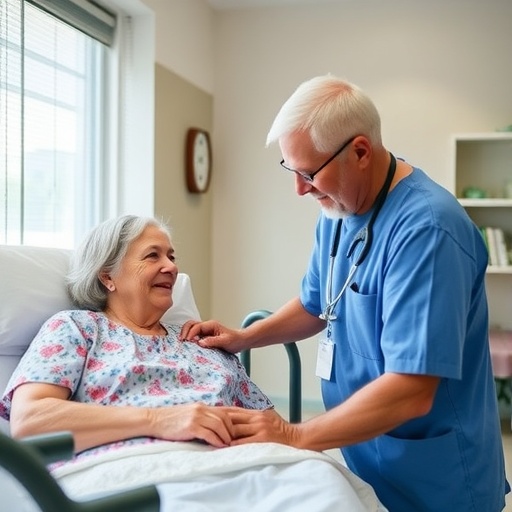
In the ever-evolving landscape of healthcare, the transition from hospital to post-hospital care is pivotal, particularly for veterans who often present unique medical and psychological challenges. A recent cohort analysis conducted by Burke and colleagues sheds light on the critical changes in post-hospital care within skilled nursing facilities (SNFs) tailored for veterans. This analysis emphasizes not only the quality of care provided but also explores how systemic shifts in healthcare policy and practice are reshaping the experiences of veterans during their recovery phase after discharge from acute care settings.
The research highlighted by Burke et al. draws attention to the importance of understanding both the structural and functional aspects of care in skilled nursing facilities. Veterans often face complex health needs due to the nature of their service, which can include exposure to traumatic experiences and chronic illnesses. This study reveals that the care veterans receive in skilled nursing facilities is a crucial determinant of their longer-term health outcomes. By focusing on this demographic, the researchers successfully illuminate gaps in existing care models and propose informed solutions.
One of the striking revelations from the study is the significant variation in the quality of post-hospital care veterans receive across different facilities. Factors such as staff training, facility resources, and the implementation of veteran-specific care protocols were found to directly influence patient outcomes. The analysis indicates that when SNFs are better equipped to cater to veteran needs—through specialized training and resources—there is a marked improvement in recovery rates and overall patient satisfaction.
Another critical component of the analysis is the role of interdisciplinary teams in enhancing the effectiveness of post-hospital care. The findings suggest that a collaborative approach, in which healthcare professionals from various specialties work together, leads to more comprehensive care plans and better health outcomes for veterans. This reliance on teamwork is particularly important in managing the complex needs of veterans, including physical rehabilitation, mental health support, and social reintegration.
Burke and colleagues also examine the impact of healthcare policies on the availability and accessibility of skilled nursing facilities for veterans. The study discusses how funding disparities and administrative challenges can create hurdles for veterans seeking the care they need. By analyzing data surrounding these barriers, the authors advocate for policy changes that could streamline access to high-quality post-hospital care for veterans, ensuring that they receive timely and effective support as they transition from hospital to home.
Furthermore, the study delves into the role of technology in enhancing patient care within skilled nursing facilities. It highlights how the integration of telehealth services and electronic health records can facilitate better communication among care teams and improve patient monitoring. By leveraging technology, skilled nursing facilities can become more adaptive and responsive to the changing needs of veterans, ultimately promoting their recovery and well-being post-discharge.
The authors also stress the importance of follow-up care as a critical component of successful post-hospitalization transitions. Their analysis reveals that structured follow-up care programs can significantly reduce the risk of readmission to hospitals, as they allow for ongoing monitoring of patients’ health statuses and timely interventions when needed. This continuity of care is vital for veterans who may struggle with understanding discharge instructions or managing complex medication regimens.
A notable aspect of the study is the acknowledgment of the mental health challenges many veterans face following hospital discharge. The researchers found that skilled nursing facilities that prioritize mental health services and integrate psychological support into their care models see far better outcomes for veterans. This recognizes the fact that recovery is not solely about physical rehabilitation but also involves addressing the psychological scars that service-related experiences can leave behind.
In addition, Burke et al. point out the significance of family involvement in the care process. Their investigation revealed that engaging family members in the recovery journey can enhance support systems for veterans, playing a crucial role in their emotional and physical rehabilitation. By fostering an environment where families are included in care discussions and emotionally supported, skilled nursing facilities can improve adherence to treatment plans and contribute to more favorable health outcomes.
Moreover, the study outlines strategies for nursing facilities to strengthen their community ties. By fostering partnerships with local veteran organizations and support groups, facilities can create a more supportive network for veterans in their care. Such collaboration not only enriches the resources available to patients but also cultivates a sense of belonging and connection that is often vital for veterans’ recovery.
In conclusion, the cohort analysis conducted by Burke and colleagues serves as an essential exploration into the evolving landscape of post-hospital care for veterans in skilled nursing facilities. It underscores the pressing need for healthcare systems to adapt and innovate in their approaches to care, ensuring that veterans receive the holistic support they require during their recovery. By building a framework that prioritizes quality, accessibility, and comprehensive care models, we move closer to improving the health outcomes and overall well-being of our nation’s veterans.
As healthcare continues to unravel in complexity and demand, it is critical that ongoing research focuses on enhancing the experiences of vulnerable populations such as veterans. This study is a crucial step in that direction, offering empirical evidence and actionable insights that can shape future healthcare policies and practices. The findings from Burke et al. not only provide a foundation for future research but also call for a collective commitment to improving post-hospital care for those who have served.
The journey towards better healthcare for veterans is ongoing, and with continued advocacy, research, and policy reform, we can pave the way for a future where all veterans receive the respect and care they deserve during their recovery process.
Subject of Research: Post-hospital care changes in skilled nursing facilities for veterans.
Article Title: Changes in Post-hospital Care in Skilled Nursing Facilities for Veterans: A Cohort Analysis.
Article References: Burke, R.E., Cidav, T., Tjader, A. et al. Changes in Post-hospital Care in Skilled Nursing Facilities for Veterans: A Cohort Analysis. J GEN INTERN MED (2026). https://doi.org/10.1007/s11606-026-10225-9
Image Credits: AI Generated
DOI: https://doi.org/10.1007/s11606-026-10225-9
Keywords: Veteran healthcare, skilled nursing facilities, post-hospital care, interdisciplinary teams, mental health support, technology integration.
Tags: chronic illness management for veteranscohort analysis in nursing caregaps in veteran healthcare modelshealthcare policy changes for veteranspost-hospital care qualityquality determinants in skilled nursingskilled nursing facilities for veteranssystemic shifts in veteran caretrauma-informed care in nursing homesveteran healthcare transitionveteran mental health challengesveterans’ recovery after hospital discharge