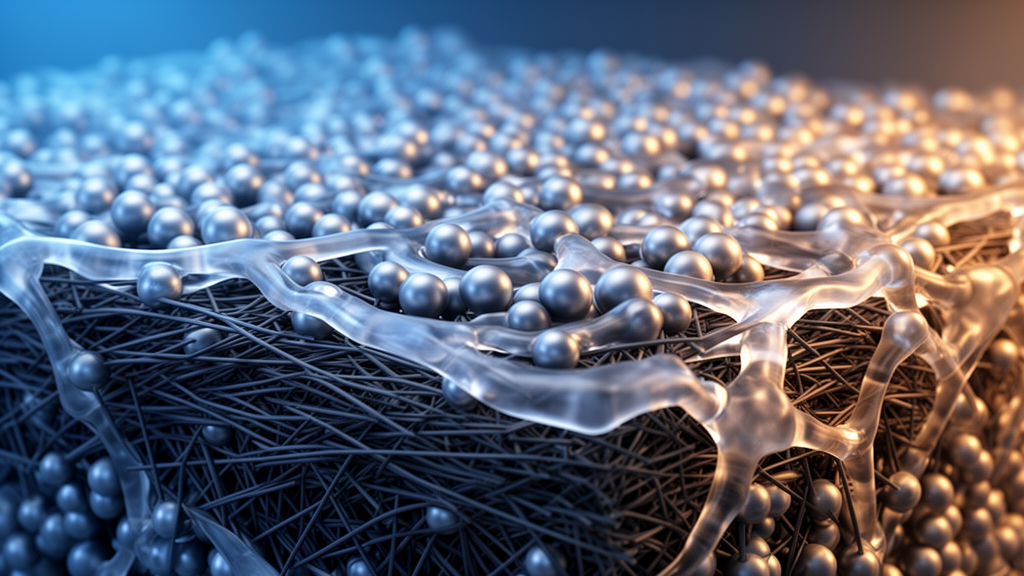
Researchers investigating structural battery composites have found that incorporating polymer binders into cathode coatings more than doubles their mechanical shear strength. Structural battery materials are designed to combine electrochemical energy storage and mechanical load-bearing functions within a single composite material, offering a potential pathway toward lightweight engineering designs across multiple industrial sectors. Current structural batteries incorporate carbon fibres into their electrodes, where the fibres within the positive electrode are coated with an active cathode material layer.
The overall multifunctional performance of these dual-purpose composite systems depends fundamentally on the durability and damage resistance of the active coating and its internal interfaces. When examining structural positive electrodes, scanning electron microscopy observations revealed physical degradation in the form of cracking and active material detachment. To prevent the formation of such cracks and interface debonds, the researchers introduced polymer binders intended to reinforce the mechanical integrity of the cathode coatings.
In the experimental setup, two distinct polymer binders were introduced into the electrode coatings using electrophoretic deposition: hydroxyethyl cellulose, abbreviated as HEC, and poly(acrylic acid), or PAA. To support the coating deposition process, polydiallyldimethylammonium chloride, designated as PDDA, was employed as a positive surfactant. Mechanical evaluation confirmed that adding these binders successfully increased the shear strength of the resulting coatings to more than double the baseline values.
Electrochemical testing subsequently demonstrated that operational performance varied significantly depending on the specific binder chemistry chosen. Coatings formulated with PAA delivered the highest specific capacity among the tested variants, registering 148 milliampere-hours per gram at a discharge rate of 0.05 C. Furthermore, the PAA formulation retained a specific capacity of 70 milliampere-hours per gram when tested under a higher cycling rate of 1 C.
In contrast, pairing the binders with the positive surfactant altered rate performance markedly. The combination of PDDA and HEC provided balanced electrochemical kinetics alongside stable cycling performance during testing. However, the combination of PDDA and PAA exhibited poor high-rate capability, showing negligible capacity retention when cycled at the 1 C rate.
These experimental outcomes demonstrate that binder chemistry functions as a critical design parameter governing the trade-offs among coating mechanical strength, electronic connectivity, and ionic transport. By strategically selecting binder compositions, engineers can balance mechanical durability against electrochemical kinetics, establishing an effective design strategy for advancing multifunctional structural battery electrodes.
Subject of Research: Polymer binder effects on structural battery positive electrode coatings
Article Title: Binder effects on the multifunctional performance of structural battery positive electrodes
Article References: Chen, H., Chaudhary, R., Xu, J., Xia, Z., & Asp, L. E. (2026). Binder effects on the multifunctional performance of structural battery positive electrodes. Advanced Composites and Hybrid Materials. https://doi.org/10.1007/s42114-026-02195-7
Image Credits: AI Generated
DOI: 10.1007/s42114-026-02195-7
Keywords: structural batteries, positive electrodes, cathode coatings, polymer binders, poly(acrylic acid), hydroxyethyl cellulose, electrophoretic deposition, shear strength, carbon fibres, energy storage composites, PDDA surfactant, multifunctional materials, specific capacity, electrochemical kinetics, damage resistance, ionic transport
News Source: Neil Sanderson. (November 25, 2026). Polymer Binders Double Shear Strength in Structural Battery Positive Electrodes. Scienmag.