Radiotherapy saves millions of lives every year, but it leaves a damaging signature in the healthy tissue that surrounds a tumor. Among the most troublesome late effects is fibrosis, a progressive stiffening and scarring of organs and skin that can emerge months or years after treatment and severely compromise quality of life. A new review published in Molecular Biology Reports examines whether bioactive compounds derived from plants, known collectively as phytochemicals, can intervene in the central molecular driver of this process, the transforming growth factor-beta (TGF-β) signaling pathway, and thereby limit radiation-induced normal tissue injury.
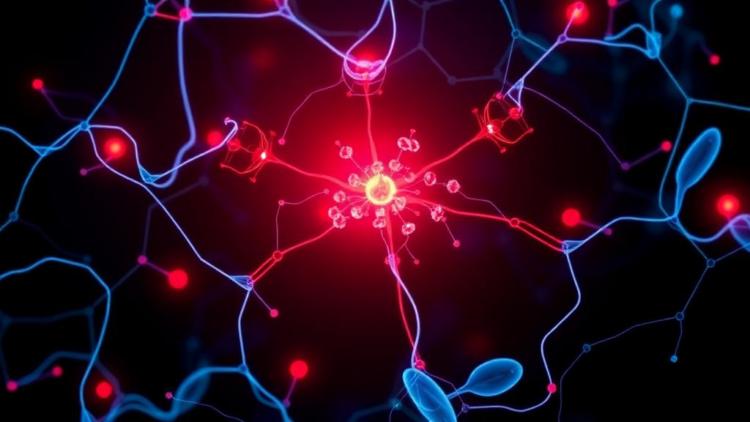
TGF-β sits at the heart of the body’s wound-healing machinery, and ionizing radiation hijacks that machinery in a destructive way. When tissue is irradiated, reactive oxygen species are generated that can directly activate latent TGF-β stored in the extracellular matrix, converting the inactive precursor into its potent signaling form. Decades of experimental work, including studies in irradiated murine mammary gland and lung, have shown that TGF-β levels rise in a dose-dependent fashion after thoracic irradiation and correlate with the later development of pulmonary fibrosis. Once activated, the cytokine binds to cell-surface receptors and triggers the phosphorylation of Smad2 and Smad3 proteins, which then translocate into the nucleus to reprogram gene expression toward collagen production, matrix remodeling, and inflammatory signaling.
The pathological consequences of this cascade are well characterized. TGF-β drives the transition of resident fibroblasts into myofibroblasts, the contractile cells that churn out excessive extracellular matrix and deposit collagen throughout the injured tissue. It also promotes epithelial-mesenchymal transition, a process in which epithelial cells lose their normal identity and acquire invasive, matrix-producing characteristics, further amplifying the fibrotic response. In addition, the pathway engages non-canonical branches, including the MAPK and PI3K/Akt cascades, which cross-talk with the Smad system and reinforce inflammation, cell survival, and matrix deposition. Because TGF-β is also implicated in tumor progression and immunosuppression, modulating this axis is a delicate balancing act for any therapeutic strategy aimed at protecting normal tissue during cancer treatment.
Enter the phytochemicals. The review, led by Pouya Goleij and colleagues with contributions from researchers across Iran, the United States, Saudi Arabia, and South Korea, surveys a diverse group of plant-derived molecules with reported multi-target effects on TGF-β signaling. The roster includes curcumin from turmeric, resveratrol from grapes, epigallocatechin gallate (EGCG) from green tea, quercetin from many fruits and vegetables, berberine from barberry, honokiol from magnolia bark, and silibinin from milk thistle. Each of these compounds has been studied extensively in preclinical models of fibrosis, and each appears to converge, by one route or another, on the TGF-β axis.
The mechanistic details vary by compound but share recurring themes. Curcumin has been shown to inhibit Smad signaling in kidney epithelial cells, to downregulate the TGF-β/Smad2/3 pathway in thyroid carcinoma cells, and to block the differentiation of lung fibroblasts into myofibroblasts, in part through activation of the nuclear receptor PPARγ. EGCG appears to interact directly with the TGF-β type II receptor, suppressing signaling at the receptor level, and has been reported to block TGF-β1/Smad-driven epithelial-mesenchymal transition in cancer cells. Quercetin suppresses TGF-β/Smad signaling in keloid-derived fibroblasts and blocks the TGF-β1/PI3K/AKT pathway in models of peritoneal adhesions. Berberine engages the TGF-β receptor itself and attenuates fibrosis through AMPK-mediated inhibition of TGF-β1/Smad signaling. Honokiol and silibinin likewise dampen Smad2/3 phosphorylation and reduce matrix protein expression in lung, renal, and skin fibrosis models.
What makes these findings particularly relevant to radiotherapy is that several of the compounds have now been tested in radiation-specific settings, not merely in chemically induced fibrosis. Curcumin attenuated radiation-induced inflammation and fibrosis in rat lungs, and liposomal curcumin inhibited radiation pneumonitis while sensitizing lung tumors to radiation, an encouraging combination of normal tissue protection and tumor control. Quercetin inhibited radiation-induced skin fibrosis in animal models and, delivered in liposomes, protected against radiation-induced pulmonary injury. EGCG inhibited irradiation-induced pulmonary fibrosis in adult rats and protected intestinal epithelial cells from ionizing radiation in vitro and in vivo. Resveratrol, combined with alpha-lipoic acid, mitigated radiation-induced pneumonitis and lung fibrosis in experimental studies. Berberine has been evaluated for radiation-induced skin injury using proteomic and network pharmacology approaches, and silibinin protected normal lung tissue against radiation injury without reducing the therapeutic efficacy of radiotherapy against lung cancer in preclinical work.
The review is careful to flag a major caveat: most of the mechanistic evidence for these compounds derives from non-radiation fibrosis models, such as those induced by bleomycin, carbon tetrachloride, or silica. While those models share downstream fibrotic pathways with radiation injury, the initiating events differ, and the redox-driven activation of latent TGF-β that is characteristic of irradiated tissue may not be fully recapitulated. Direct validation in radiation-specific models is therefore essential before the preclinical promise can be considered firmly established. The authors also note complexity in the biology itself, as resveratrol has been reported to exert dose-dependent anti-fibrotic or even pro-fibrotic effects in the kidney, a reminder that phytochemicals are not uniformly protective and that dose, context, and tissue type all matter.
Early clinical signals exist but remain preliminary. A randomized, double-blind, placebo-controlled trial of curcumin in thirty breast cancer patients reported reduced severity of radiation dermatitis, and a pilot trial suggested radioprotective effects of curcumin supplementation in prostate cancer patients. Oral nanomicelle curcumin was evaluated for preventing radiotherapy-induced mucositis in head and neck cancer patients, and a combination antioxidant formulation including resveratrol showed protective effects against skin toxicity in breast radiotherapy. EGCG has been tested in a prospective three-arm randomized trial for preventing radiation-induced esophagitis in lung cancer patients and in a phase 2 double-blind, placebo-controlled trial for preventing dermatitis in breast cancer patients receiving postoperative radiotherapy. These studies are mostly small-scale and, in some cases, uncontrolled, and the review emphasizes that their findings require confirmation in larger, adequately powered, well-designed clinical trials before any firm claims of benefit can be made.
Several outstanding questions will shape the field’s next steps. The most critical concern is whether dampening TGF-β signaling in patients undergoing radiotherapy might inadvertently compromise tumor control, given the pathway’s established roles in cancer progression, immune evasion, and resistance to therapy; silibinin’s preclinical profile, which protected normal lung without reducing therapeutic efficacy, offers a template for the kind of evidence that will be needed. Pharmacokinetics pose another hurdle, as compounds like curcumin and resveratrol have notoriously low bioavailability, which has driven interest in nano-enabled and liposomal delivery systems, such as the nano-formulated EGCG that ameliorated silica-induced pulmonary fibrosis in rats. Safety in patients with impaired organ function, the possibility of paradoxical pro-fibrotic effects at certain doses, and the challenge of timing interventions relative to the course of radiotherapy all remain open. Still, the convergence of mechanistic plausibility, multi-target preclinical activity, and early human signals positions these plant-derived molecules as credible candidates for supportive strategies against radiation-induced normal tissue injury, pending the rigorous clinical validation that the review’s authors rightly demand.
Subject of Research: Phytochemical modulation of TGF-β signaling in radiation-induced fibrosis
Article Title: Phytochemicals modulating TGF-β signaling in radiation-induced fibrosis
Article References: Goleij, P., Mirzaei, M., Babamohamadi, M., Sadreddini, S., Abolfazli, S., Tabari, M. A. K., Movafagh, A., Aschner, M., & Khan, H. (2026). Phytochemicals modulating TGF-β signaling in radiation-induced fibrosis. Molecular Biology Reports, 53(1), Article 1653. https://doi.org/10.1007/s11033-026-12867-8
Image Credits: AI Generated
DOI: 10.1007/s11033-026-12867-8
Keywords: TGF-β signaling, radiation-induced fibrosis, phytochemicals, curcumin, resveratrol, EGCG, quercetin, berberine, Smad pathway, radiotherapy, fibrosis, radioprotection
Cite Scienmag News
APA MLA Chicago
Drew Townsend. (October 3, 2026). Plant Compounds Show Promise in Taming Radiation-Induced Fibrosis Through TGF-β Control. Scienmag. https://scienmag.com/plant-compounds-show-promise-in-taming-radiation-induced-fibrosis-through-tgf-%ce%b2-control/
Drew Townsend. “Plant Compounds Show Promise in Taming Radiation-Induced Fibrosis Through TGF-β Control.” Scienmag, 3 October 2026, https://scienmag.com/plant-compounds-show-promise-in-taming-radiation-induced-fibrosis-through-tgf-%ce%b2-control/. Accessed 3 October 2026.
Drew Townsend. “Plant Compounds Show Promise in Taming Radiation-Induced Fibrosis Through TGF-β Control.” Scienmag. October 3, 2026. https://scienmag.com/plant-compounds-show-promise-in-taming-radiation-induced-fibrosis-through-tgf-%ce%b2-control/
Copy citation Download RIS
Tags: berberinecurcuminEGCGfibrosisfibrosis prevention strategiesmolecular mechanisms of fibrosisnatural anti-fibrotic agentsoxidative stress in tissue damagephytochemicalsphytochemicals in fibrosis treatmentplant-derived bioactive compoundsquercetinradiation therapy side effectsradiation-induced fibrosisradiation-induced tissue injuryradioprotectionradiotherapyresveratrolSmad pathwayTGF-beta signaling pathwayTGF-β role in wound healingTGF-β signalingTGF-β/Smad signaling pathway