


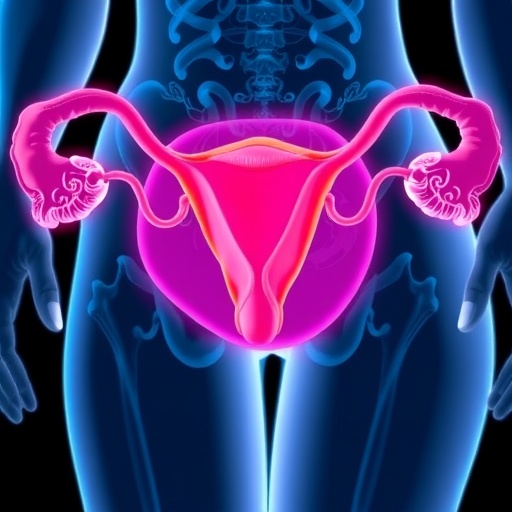
Recent research has brought forth significant insights into the complex interplay between fibrosis and ovarian function, particularly within the context of endometriosis. Endometriosis, a condition characterized by the abnormal growth of endometrial tissue outside the uterus, has long puzzled researchers due to its multifaceted nature and various manifestations. The contribution of fibrosis—a pathological process that leads to the thickening and scarring of connective tissue—has garnered increasing attention. A recent study by Gao, Chen, Xu, and colleagues investigates the therapeutic potential of pirfenidone, a well-known antifibrotic agent, in a newly developed ovarian endometriosis mouse model.
This pioneering work sheds light on the intricate dynamics of how fibrosis affects ovarian function and highlights the potential of pharmacological interventions to mitigate these impacts. Pirfenidone, originally developed for treating pulmonary fibrosis, has shown promise beyond the respiratory domain, indicating its versatility and potential utility in gynecological health. Understanding how pirfenidone can alleviate fibrosis in the ovaries and improve reproductive outcomes could pave the way for novel therapeutic strategies for women suffering from endometriosis.
The researchers introduced a mouse model specifically designed to mimic ovarian endometriosis, which allowed them to closely study the effects of pirfenidone. Utilizing this model, they established a baseline for the mechanisms underlying fibrosis in the ovarian environment. This aspect of their research is particularly critical, as existing models often fail to adequately replicate the human condition, leading to discrepancies in data that could misinform treatment strategies. By employing a model that accurately reflects the pathological conditions found in human patients, the researchers provided a more reliable foundation for evaluating potential treatments.
The study meticulously highlighted the pathways involved in the development of fibrosis in the ovaries. Fibrogenesis, driven by various cellular processes including inflammation and epithelial-to-mesenchymal transition (EMT), plays a crucial role in the pathological features observed in endometriosis. This research delves into the molecular mechanisms that underpin these processes, shedding light on inflammatory cytokines, growth factors, and the resulting changes within the extracellular matrix surrounding ovarian tissues. Such insights are vital for understanding how to effectively intervene in the fibrotic processes that exacerbate ovarian dysfunction.
Gao and the research team administered pirfenidone to their novel mouse model, observing its effects on fibrosis-related markers and overall ovarian health. The results were promising, indicating that the administration of pirfenidone not only reduced the extent of fibrosis but also improved ovarian function. This is a compelling finding, as it suggests that antifibrotic therapy could have broader implications for restoring reproductive capabilities in women with endometriosis. By addressing the scars and lesions that hinder normal ovarian function, pirfenidone emerged as a candidate option that warrants further exploration in clinical settings.
In addition to measuring the extent of fibrosis, the research team assessed ovarian reserve and hormonal levels. The restoration of normal follicular development and optimal hormone production is critical for fertility, and the findings indicated an encouraging correlation between pirfenidone treatment and improved reproductive parameters. This addresses a significant gap in the current treatment landscape for endometriosis, where existing therapies primarily focus on symptom management rather than addressing underlying tissue abnormalities.
The implications of these findings reach far beyond the confines of basic research. As the global incidence of endometriosis rises, characterized by delayed diagnoses and a lack of effective treatments, the promise of pirfenidone as a viable therapeutic option could bring hope to millions of affected women. Not only does this research illuminate potential paths for future clinical trials, but it also emphasizes the need for a reassessment of current treatment guidelines, particularly in regard to endometriosis management strategies.
One crucial aspect of this study lies in its conjugation of conventional antifibrotic strategies and innovative methodologies. By utilizing cutting-edge tools and robust experimental designs typically seen in top-tier research, Gao and colleagues have pushed the boundaries of what is possible in translational medicine. Their rigorous approach allows verification of pirfenidone’s efficacy, potentially elevating it to the status of a frontrunner in pharmacologic therapy for endometriosis-related complications.
Furthermore, the importance of interdisciplinary collaboration cannot be understated in the advancement of such research initiatives. This study exemplifies how collaboration among molecular biologists, gynecologists, and pharmacologists can lead to breakthroughs that address the multifarious nature of diseases like endometriosis. Such symbiotic partnerships can enhance the understanding of disease mechanisms while fostering innovation in therapeutic developments.
As the study brings forth valuable data, it simultaneously raises questions about the long-term implications of antifibrotic treatments like pirfenidone. Questions surrounding treatment durations, patient selection criteria, and the potential for adverse effects require thorough exploration in subsequent studies. Additionally, the pharmacokinetics of pirfenidone in a reproductive context warrants attention, as clinicians will need to establish guidelines for safe and effective use in women who may seek to conceive.
The researchers’ findings also inspire hope for future developments in personalized medicine for endometriosis. By determining the specific pathways involved in fibrosis and ovarian dysfunction, tailored interventions could emerge that are designed to meet the unique needs of different patients. Identifying biomarkers that predict treatment responsiveness could also emerge from ongoing investigations prompted by this foundational research, such as determining how specific patient profiles relate to treatment efficacy.
In conclusion, Gao, Chen, Xu, and their team have opened crucial avenues for research and clinical application regarding the use of pirfenidone in treating ovarian endometriosis-associated fibrosis. This innovative study not only highlights the promising role of antifibrotic therapies in reproductive health but also underscores the need for continued exploration into the underlying mechanisms of endometriosis and its treatment. As further research unfolds, the findings from this study could catalyze a much-needed shift in how clinicians approach the management of endometriosis, providing new hope for those facing the challenges posed by this debilitating condition.
Understanding the journey of pirfenidone from its original application for lung disease to its potential use in gynecological disorders showcases the importance of adaptive research. With the effects of endometriosis permeating the lives of many women worldwide, the quest for effective treatments remains paramount. Ongoing studies will undoubtedly aim to reinforce these findings and explore the broader implications of antifibrotic therapy in reproductive medicine, illuminating paths toward empowerment and healing for many.
Subject of Research: Ovarian endometriosis and the therapeutic potential of pirfenidone.
Article Title: The therapeutic potential of pirfenidone in alleviating fibrosis and restoring ovarian function in a novel ovarian endometriosis mouse model.
Article References:
Gao, Z., Chen, Y., Xu, X. et al. The therapeutic potential of pirfenidone in alleviating fibrosis and restoring ovarian function in a novel ovarian endometriosis mouse model.
J Transl Med (2026). https://doi.org/10.1186/s12967-025-07648-z
Image Credits: AI Generated
DOI: 10.1186/s12967-025-07648-z
Keywords: Endometriosis, Fibrosis, Pirfenidone, Ovarian function, Antifibrotic therapy.
Tags: antifibrotic therapies for endometriosisendometrial tissue growth treatmentendometriosis research advancementsfibrosis and ovarian functionimplications of fibrosis in gynecological healthinnovative strategies for managing endometriosismouse model for ovarian endometriosispharmacological interventions for endometriosispirfenidone in ovarian endometriosisreproductive outcomes in endometriosistherapeutic potential of pirfenidonewomen’s health and fibrotic conditions



