A new study in BMC Pharmacology and Toxicology reports that certain piperazine derivatives can damage neuronal cells through a two-pronged mechanism: mitochondrial dysfunction and microtubule-linked structural disruption. The findings raise concerns for the safety profile of this chemical class and offer mechanistic clues that go beyond simple measures of cell death.
Researchers used in vitro neuronal cell models to examine how exposure to different piperazine derivatives alters cellular performance. Rather than observing only overt cytotoxicity, the work focused on subcellular stress pathways that can foreshadow long-term dysfunction in neurons.
Central to the reported toxicity is impairment of mitochondrial function. Mitochondria are the cell’s energy hubs and also regulate oxidative stress and survival signaling. When their activity is compromised, cells can shift toward an energetically unstable state that makes them vulnerable to damage and reduces their capacity to maintain normal neuronal physiology.
The study also highlights microtubule-related changes. Microtubules form part of the intracellular scaffold that supports axonal transport, vesicle trafficking, and cell shape. Disturbances in microtubule dynamics can therefore interfere with how neurons move cargo and communicate within their networks.
Together, mitochondrial dysfunction and microtubule abnormalities suggest a coordinated disruption of both energy metabolism and cellular infrastructure. This combination can be particularly harmful in neurons, where efficient transport and stable cytoskeletal organization are essential for function.
Importantly, the investigators framed the results in a way that connects biochemical stress to physical changes inside cells. By linking dysfunction at the organelle level with alterations in cytoskeletal components, the study offers a more integrated view of how piperazine derivatives may exert neurotoxic effects.
As the work is conducted in vitro, it should be interpreted as a mechanistic foundation rather than a direct prediction of outcomes in whole organisms. Still, the findings provide a rationale for caution and for further evaluation using additional models that capture the complexity of the nervous system.
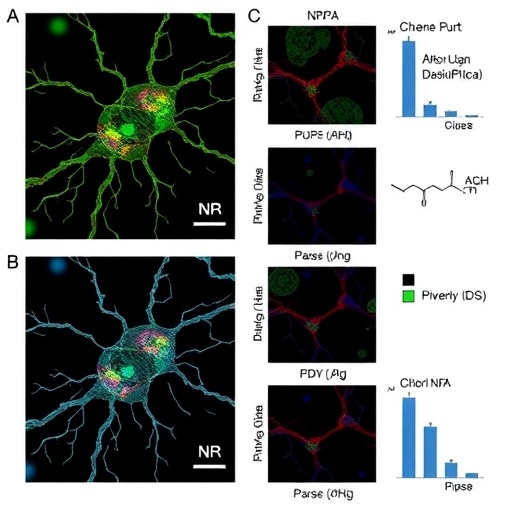
The publication is accompanied by an AI-generated image, illustrating the study’s core theme of intracellular disruption. With the DOI publicly available, the results can be scrutinized and compared with emerging data on related compounds.
Overall, the research adds to the growing picture that drug-like or industrially relevant scaffolds can produce neurotoxic signatures through specific cellular pathways. The dual impact on mitochondria and microtubules may help guide safer design and screening strategies going forward.
Subject of Research: In vitro neurotoxicity mechanisms of piperazine derivatives in neuronal cell models
Article Title: In vitro toxicity of piperazine derivatives involves mitochondrial dysfunction and microtubule-related changes in neuronal cell models.
Article References: Rönnberg, D., Jacobsson, S.O. BMC Pharmacol Toxicol (2026). https://doi.org/10.1186/s40360-026-01183-3
Image Credits: AI Generated
DOI: 10.1186/s40360-026-01183-3
Keywords:
Tags: effects of mitochondrial impairment on neuron healthimpact of chemical derivatives on neuronal energy metabolismintracellular transport disruption in neurodegenerativelong-term neuronal dysfunction from chemical exposuremicrotubule disruption in neuronal cellsmicrotubule dynamics and neuronal structural integritymitochondrial dysfunction in neuronsneuronal cell models for neurotoxicological studiesneurotoxicity mechanisms of piperazine compoundsPiperazine derivatives neuronal toxicitysafety concerns of piperazine-based drugssubcellular stress pathways in neurons