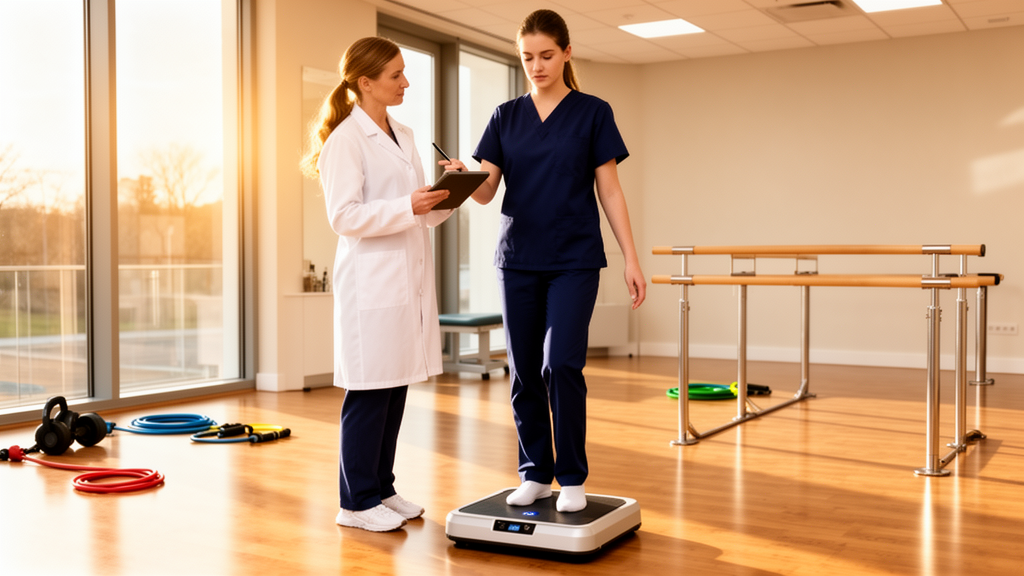
A longitudinal curriculum-wide gamification initiative titled the Physiotherapy Olympic Games was associated with significantly higher self-perceived competency scores among undergraduate physiotherapy students, according to a repeated cross-sectional study. While gamification has become increasingly common across health professions education, most prior investigations have evaluated isolated, short-term interventions restricted to a single course.
The study employed a quasi-experimental repeated cross-sectional design spanning three consecutive academic years from 2023 to 2026. The gamified programme integrated coordinated Olympic-inspired learning activities into 11 semester-long subjects across the degree curriculum. To assess student competency development, participants completed anonymous questionnaires administered both before and after taking part in the programme activities.
Measurement instruments assessed eight transversal competencies alongside five physiotherapy-specific competencies structured in alignment with the World Physiotherapy competency framework. In addition to measuring perceived competency levels, the post-intervention questionnaires evaluated student satisfaction with the programme and their perceptions regarding its overall contribution to competency acquisition. Researchers evaluated the internal consistency of the survey instrument using Cronbach’s alpha, which demonstrated high internal consistency across the study sample.
Statistical analyses evaluated a total of 1,149 completed questionnaires, comprising 662 pre-intervention responses and 487 post-intervention responses. Researchers compared the pre-intervention and post-intervention cohorts using non-parametric Mann–Whitney U tests and calculated effect sizes using the correlation coefficient r. Overall post-intervention ratings revealed statistically significant improvements across all five physiotherapy-specific competencies, which also exhibited larger effect sizes than the shifts observed for transversal competencies.
Among the transversal competencies evaluated, post-intervention responses showed statistically significant improvements across four key domains: communication, teamwork, leadership and decision making, and analytical thinking. In contrast, researchers observed no statistically significant differences in self-reported scores for planning and organisation, adaptability, learning and innovation, or achievement orientation.
The pattern of competency shifts also varied depending on student academic standing. Differences observed among first-year and second-year students were concentrated predominantly within physiotherapy-specific competencies.
Participant feedback indicated high levels of overall satisfaction with the Physiotherapy Olympic Games programme. Students widely reported perceiving that the coordinated longitudinal activities actively contributed to developing both their transversal and physiotherapy-specific competencies.
The investigators emphasized that these findings must be interpreted with caution due to several fundamental methodological limitations. Because the questionnaires were completed anonymously, individual participant responses could not be linked longitudinally between pre-intervention and post-intervention evaluations. Future investigations should combine longitudinal curricular gamification with linked individual-level assessments and objective competence measures.
Subject of Research: Curriculum-wide gamification and undergraduate physiotherapy competency development
Article Title: The Physiotherapy Olympic Games: a longitudinal gamification programme for self-perceived competency development in undergraduate physiotherapy students
Article References: Arguisuelas, M. D., Amer-Cuenca, J. J., Bosch-Morell, F., Ferrer-Sargues, F. J., García-Lucas, C., Garrigós-Pedrón, M., González-Domínguez, J. Á., Jordán-López, J., Lisón, J. F., Montañana-Pérez, M. T., Montañez-Aguilera, F. J., Montero-Cámara, J., Palanca-Torres, M. C., Valtueña-Gimeno, N., Múzquiz-Barberá, P., & Martínez-Hurtado, I. (2026). The Physiotherapy Olympic Games: a longitudinal gamification programme for self-perceived competency development in undergraduate physiotherapy students. BMC Medical Education. https://doi.org/10.1186/s12909-026-10839-x
Image Credits: AI Generated
DOI: 10.1186/s12909-026-10839-x
Keywords: physiotherapy education, gamification, curriculum design, transversal competencies, World Physiotherapy, higher education, quasi-experimental study, repeated cross-sectional, communication skills, teamwork, leadership, analytical thinking, undergraduate students, student satisfaction, educational gamification, medical education, competency framework
News Source: Courtney Benton. (November 13, 2026). Physiotherapy Gamification Programme Shows Marked Gains in Student Competency Ratings. Scienmag.