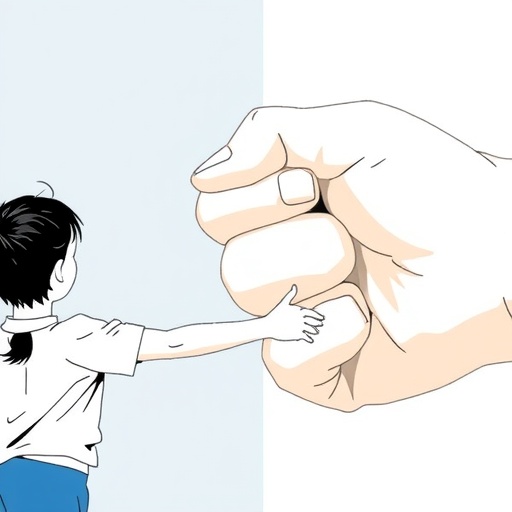
In a groundbreaking study published in the latest issue of Pediatric Research, researchers have unveiled compelling evidence linking the practice of physical punishment in early childhood to significant health outcomes. This prospective, population-representative study sheds new light on the often-overlooked consequences of corporal discipline, a practice still prevalent in households worldwide but rarely subjected to rigorous scientific scrutiny regarding its physical effects on children.
Physical punishment, typically defined as the use of physical force intended to cause some degree of discomfort or pain as a method of discipline, has long been a controversial subject. While outright child maltreatment is universally condemned, milder forms of corporal punishment continue to be culturally accepted in many regions. Until now, the focus of research has primarily been on psychological and behavioral consequences, leaving a glaring gap in understanding its direct impact on children’s physical health metrics.
The study, led by Shan, Wang, Zhang, and colleagues, utilized a robust prospective design tracking a large, demographically representative cohort of children from infancy through early childhood. This longitudinal approach allowed the researchers to parse out causal relationships rather than mere associations. Participants were carefully assessed for exposure to physical punishment through detailed parental reports and observational data collected at multiple intervals.
One of the study’s most striking revelations is the association of physical punishment with several adverse physical health parameters. Children subjected to this form of discipline were found to have increased risk markers for stress-related physiological changes, including elevated inflammation markers and altered endocrine function. These biological changes are indicators that the body experiences physical punishment not just as a transient encounter but as a chronic stressor with systemic consequences.
The mechanisms underlying these findings are multifaceted. Physical punishment generally triggers acute stress responses in children, involving the hypothalamic-pituitary-adrenal (HPA) axis, which governs cortisol release—a hormone central to stress adaptation. Chronic activation of this pathway, as the study suggests, may disrupt normal metabolic processes and immune function. Over time, this dysregulation could set the stage for poor growth trajectories and vulnerability to illness.
Furthermore, the research investigated how physical punishment might influence somatic growth and neurodevelopment. Early childhood is a critical window for growth, both physically and in brain maturation. The deleterious effects noted in the study point to subtle yet important developmental delays and reduced physical health resilience among punished children, which could have lasting repercussions extending beyond infancy into later stages of life.
A particularly novel aspect of this investigation is its capacity to differentiate physical punishment from more severe forms of abuse, enabling a nuanced understanding of the spectrum of physical discipline and its gradated impacts. Even absent maltreatment-level severity, the physical punishment examined showed statistically significant deviations in health outcomes compared to children in non-physical disciplinary contexts, underscoring the inherent risks of any physical force in child rearing.
The study’s compelling data come from rigorous statistical analyses that controlled for socioeconomic status, parental mental health, and other confounding variables. This methodological rigor enhances confidence in the findings and underscores the importance of reevaluating societal norms around discipline. The researchers’ call to action emphasizes preventive measures and the promotion of positive, non-physical disciplinary strategies that prioritize child well-being without compromising family dynamics.
These findings arrive amid growing global awareness regarding child protection and developmental health. International bodies such as the United Nations and the World Health Organization have advocated for the abolition of physical punishment, referencing not only ethical concerns but emerging scientific evidence of its harms. This new research strengthens the empirical foundation for policy reforms aiming to eliminate corporal punishment worldwide.
Equally important is the potential influence of these results on healthcare practice. Pediatricians and child health specialists play a crucial role in educating caregivers about the risks associated with physical punishment. The availability of robust scientific data equips professionals with persuasive arguments to advocate for behavioral interventions and supportive parenting programs, which foster healthier developmental environments.
Beyond clinical settings, this study ignites a vital public discourse on cultural practices and child rights. Physical punishment remains deeply embedded in many traditions. However, the paradigm is shifting as science reveals hidden costs previously unrecognized. Communities investing in education and empowerment around child discipline are better positioned to break the cycle of stress-induced health detriments documented here.
Moreover, public health campaigns can leverage these insights to address disparities in child health outcomes linked to disciplinary styles. The intersectionality of socioeconomic pressures and parenting challenges makes targeted outreach essential. Multifaceted approaches that combine policy, education, and social support stand to benefit the most vulnerable children exposed to physical punishment.
While this research marks a significant advancement, the authors acknowledge areas for further inquiry. Future studies might explore long-term health trajectories into adolescence and adulthood, the reversibility of physical punishment-induced physiological changes, and interactions with genetic susceptibilities. Such work could deepen understanding of critical intervention points and inform more personalized prevention strategies.
In sum, Shan and colleagues have delivered a powerful, evidence-based indictment of physical punishment’s toll on children’s physical health. This study’s resonance lies in its rigorous design, comprehensive scope, and meaningful implications for parents, practitioners, policymakers, and society at large. As global momentum builds to safeguard children’s rights and optimize development, this research stands out as a clarion call to abandon physical punishment and embrace nurturing, evidence-supported discipline practices.
The science presented here not only challenges entrenched disciplinary methods but also elucidates the biological pathways through which even “mild” physical punishment exerts profound physiological stress. It is a reminder that childhood experiences form the cornerstone of lifelong health trajectories and that protecting children from harm requires vigilance, compassion, and informed choice.
As these findings ripple through academic, clinical, and public spheres, it will be crucial to translate research into action. With sustained commitment, the insights gained may pave the way for healthier generations, unburdened by the hidden costs of physical punishment. Ultimately, this represents a pivotal step toward a future in which the dignity, safety, and development of every child are paramount.
Subject of Research: The impact of physical punishment on children’s physical health outcomes during early childhood.
Article Title: Association of physical punishment and health outcomes in early childhood: a population representative prospective study.
Article References:
Shan, W., Wang, Y., Zhang, Y. et al. Association of physical punishment and health outcomes in early childhood: a population representative prospective study. Pediatr Res (2025). https://doi.org/10.1038/s41390-025-04600-1
Image Credits: AI Generated
DOI: 10 December 2025
Tags: child health research studieschild maltreatment vs. corporal punishmentcorporal discipline consequencesearly childhood health outcomesevidence-based research on disciplinehealth risks of corporal punishmentlongitudinal study on child disciplineparenting practices and child healthPediatric Research findingsphysical discipline cultural acceptancephysical punishment effects on childrenpsychological impact of physical punishment