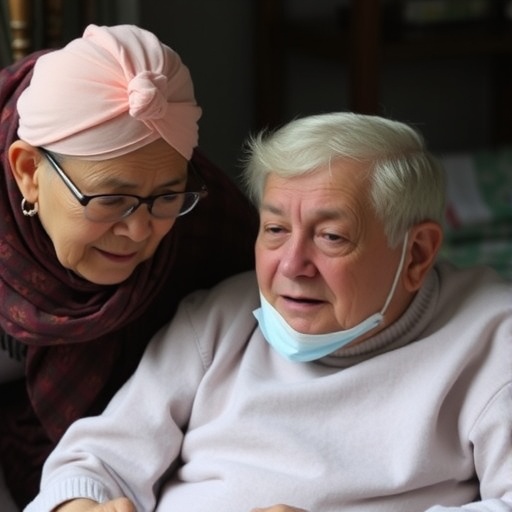
The increasing prevalence of physical complaints among older adults has garnered significant attention in recent years, prompting researchers to delve deeper into the intricate relationship between these complaints and overall well-being. In Tehran, a recent study led by Hamedanchi et al. seeks to illuminate this relationship, presenting findings that underscore the pressing need for targeted interventions aimed at improving the lives of senior citizens. This study makes it abundantly clear that physical health directly influences mental and emotional well-being in this demographic, with wide-ranging implications for healthcare strategies worldwide.
The research meticulously assessed the prevalence and severity of physical complaints among older adults in Tehran. Conducted as an observational study, it involved a sample size that provided the robustness necessary to derive meaningful insights. The authors administered comprehensive questionnaires that collected data on a variety of physical complaints, such as joint pain, mobility issues, and fatigue, as well as their participants’ overall well-being. This multifaceted approach allowed researchers to blend qualitative insights with quantitative measures, leading to a more nuanced understanding of the challenges faced by older adults.
One of the striking findings of the study was the high prevalence rate of physical complaints among the respondents. Over a significant percentage of the participants reported experiencing chronic pain, with conditions such as arthritis and lower back pain being particularly prominent. This highlights a critical public health concern as persistent physical discomfort can severely restrict the daily activities of older adults and diminish their quality of life. The researchers emphasized that such pain not only affects an individual’s physical capabilities but can also contribute to feelings of isolation and depression.
Moreover, the researchers explored the severity of these physical complaints in relation to the mental health status of the participants. They discovered a clear link between higher levels of physical discomfort and lower scores on established well-being assessments. These findings corroborate existing literature suggesting that chronic pain is associated with increased levels of anxiety and depression among older adults. The intricate web of physical health affecting mental health underscores the necessity for comprehensive care models that address both facets simultaneously.
The findings are especially relevant in a cultural context like Tehran, where traditional frameworks for elder care may not adequately address the complexities of modern health challenges. This study serves as a reminder for healthcare providers and policymakers to consider cultural and societal factors when designing interventions. It prompts a re-evaluation of the current healthcare infrastructure, advocating for services that combine physical and mental health resources to better serve the aging population.
The results also indicate that preventive measures could significantly alter outcomes for older adults. Incorporating physical therapy and pain management into regular health check-ups could serve as a proactive strategy. Through early intervention, healthcare providers could help mitigate the severity of physical complaints, ultimately improving mental well-being. The need for awareness and education around the physical and emotional health of older adults cannot be overstated.
Additionally, social support emerges as a crucial variable in the study. The authors noted that those with strong social networks and frequent interactions reported fewer physical complaints and better mental well-being. This reinforces the idea that fostering community connections for older adults is essential. Implementing community-based programs that encourage social engagement could provide a dual benefit of improved physical health and enhanced psychological resilience.
Moreover, the research touches on the implications of nutrition and lifestyle. A balanced diet and regular physical activity are foundational aspects of maintaining overall health as one ages. The study calls for a more integrated approach where nutritional counseling and physical fitness programs are made accessible to older adults, creating an ecosystem of support that empowers them to lead healthier lives.
As the world grapples with an aging population, similarities in the challenges faced by older adults across different cultures can foster global conversations about best practices in elderly care. The findings from Tehran can contribute to a larger body of research that emphasizes the interconnectivity of physical and mental health in older adults.
Another notable conclusion drawn from the study is the importance of individualized care. There is no one-size-fits-all solution to the health complexities of older adults. Tailoring interventions to meet the unique needs of individuals based on their specific physical complaints and mental health status may yield better outcomes. This personalized approach is crucial for practitioners aiming to make a genuine impact in the lives of their elderly patients.
In summary, Hamedanchi et al.’s study not only sheds light on the prevalence and associations of physical complaints among older adults in Tehran but also calls for a paradigm shift in how we approach their care. By prioritizing a holistic view that encompasses both physical ailments and mental health challenges, we can create a more supportive environment conducive to thriving in later years. In an age where technology and healthcare are rapidly evolving, this foundational understanding places a spotlight on the crucial intersection of physical health, mental well-being, and the quality of life for older adults.
As we move forward into the future, the insights gleaned from this research will be instrumental in shaping policies and practices that elevate our understanding and support of the aging population. Addressing physical complaints and their psychological ramifications should be at the forefront of healthcare agendas, allowing society to honor and care for its elders comprehensively.
Subject of Research: Prevalence and severity of physical complaints and their association with well-being among older adults
Article Title: Prevalence and severity of physical complaints and their association with well-being among older adults in Tehran
Article References:
Hamedanchi, A., Rezaie, F., Pourhoseingholi, A. et al. Prevalence and severity of physical complaints and their association with well-being among older adults in Tehran.
BMC Geriatr (2025). https://doi.org/10.1186/s12877-025-06875-9
Image Credits: AI Generated
DOI: 10.1186/s12877-025-06875-9
Keywords: older adults, physical complaints, well-being, chronic pain, social support, aging population
Tags: challenges faced by older adults in Tehranelderly physical health issuesemotional well-being in seniorsfatigue among elderly individualshealthcare interventions for seniorsimpact of physical complaints on mental healthimproving lives of senior citizensmobility issues in elderly populationprevalence of joint pain in older adultsqualitative and quantitative research in agingrelationship between physical health and well-beingTehran elderly well-being study