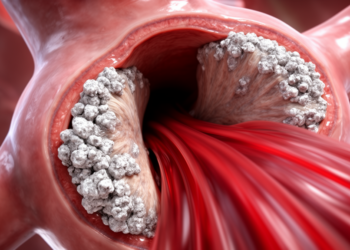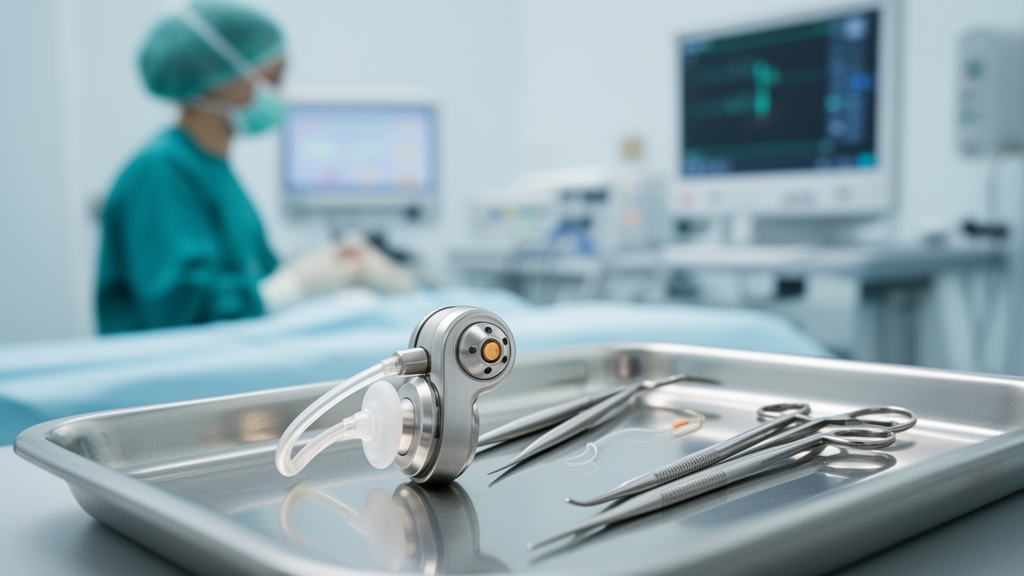
A multicenter Phase 3 clinical study known as the ELEVATE trial has concluded enrollment across eleven national sites to evaluate the safety and functional effectiveness of an investigational Totally Implantable Cochlear Implant. The trial represents a major milestone in auditory device development, with fifty-six adult participants enrolled across the United States. University Hospitals in Cleveland, Ohio, serves as the sole clinical site in the state participating in this pivotal investigation, evaluating whether subcutaneous hardware can successfully deliver auditory perception without requiring external sound processors.
Conventional cochlear implant systems include both an implanted component and an external sound processor worn behind the ear. In contrast, the investigational Totally Implantable Cochlear Implant system integrates all primary operational hardware completely under the skin.
The clinical rationale for eliminating exterior hardware centers on critical lifestyle and safety limitations imposed by current devices. In standard clinical practice, recipients must remove their external sound processors while sleeping, showering, or swimming, which renders them functionally deaf during these intervals.
Developing a fully implantable auditory prosthesis has challenged biomedical engineers for decades, primarily due to acoustic interference originating within the human body. Recent engineering advances and sophisticated sound-processing algorithms have enabled investigators to address these physiological acoustic artifacts, creating a viable pathway for large-scale clinical validation in human subjects.
The ELEVATE study protocol specifically targets adult candidates presenting with moderate to severe sensorineural hearing loss combined with poor speech discrimination. Following device implantation, trial participants will undergo continuous follow-up assessments over a twelve-month observation period to systematically measure speech understanding, auditory performance, and clinical safety profiles.
At University Hospitals Cleveland Medical Center, surgical teams have completed the institution’s allocated enrollment quota by successfully implanting the investigational device in three adult participants. University Hospitals was selected for inclusion in the trial based on its extensive institutional background in cochlear implant surgery and clinical research. The surgical and investigative protocol at the site is directed by Dr. Rivas as principal investigator, supported by co-investigator Dr. Cameron Wick, an otologist and neurotologist, and audiologist Dr. Viral Tejani.
Institutional leadership emphasized the regional value of hosting clinical trials for emerging biomedical technologies. Dr. Nicole Maronian, Chair of the Department of Otolaryngology – Head and Neck Surgery and Director of the University Hospitals Ear Nose and Throat Institute, noted that participation in the trial allows patients in Northeast Ohio to access novel hearing restoration interventions locally rather than traveling outside the region, while contributing data to help determine the future standard of auditory rehabilitation.
Investigators also hope the technology may eventually encourage more people to consider cochlear implantation. Epidemiological data indicate that despite robust clinical evidence demonstrating the benefits of cochlear implantation for individuals with severe sensorineural impairment, fewer than five percent of medically eligible adults currently elect to receive an implant. Reluctance to utilize external hardware remains a recognized barrier to treatment initiation.
Investigators anticipate that if a fully concealed subcutaneous system demonstrates safety and efficacy throughout the ELEVATE trial, it could expand therapeutic access to a substantial population of hearing-impaired individuals who have historically declined conventional implantation.
At present, no totally implantable cochlear implant system possesses commercial clearance or marketing approval from regulatory authorities in the United States. Investigator disclosures note that Dr. Alejandro Rivas, Dr. Cameron Wick, and Dr. Viral Tejani have provided independent consulting services to trial sponsor Cochlear within the past twelve months.
The clinical investigation at University Hospitals Cleveland Medical Center is anchored within an extensive regional health care network and academic research infrastructure. Established in 1866, University Hospitals delivers medical services across northern Ohio through an integrated system comprising 21 hospitals, including five joint venture facilities, along with more than 50 health centers and outpatient clinics, and over 200 outpatient physician offices situated across 16 northern Ohio counties. Within this system, University Hospitals Cleveland Medical Center operates as the flagship quaternary care academic medical center. The institution maintains formal academic and medical research affiliations with Case Western Reserve University School of Medicine, Northeast Ohio Medical University, Oxford University, the Technion Israel Institute of Technology, and the National Taiwan University College of Medicine.
The main medical campus in Cleveland encompasses specialized facilities including UH Rainbow Babies & Children’s Hospital, ranked among the leading pediatric medical centers nationally, and UH MacDonald Women’s Hospital, which represents the only hospital in Ohio dedicated exclusively to women’s health care. Oncologic clinical research and oncology care are integrated through the UH Seidman Cancer Center, a component of the Case Comprehensive Cancer Center designated by the National Cancer Institute. Across its network, University Hospitals conducts more than 3,000 active clinical trials and investigative research studies, supported structurally by 19 Clinical Care Delivery and Research Institutes. Furthermore, the academic medical center perennially achieves high evaluations in national health care rankings, including recognition in the “America’s Best Hospitals” survey published by U.S. News & World Report.
Subject of Research: Clinical evaluation of totally implantable cochlear implants
Article Title: University Hospitals among first in nation to advance next generation fully implantable technology through clinical trial
Article References: University Hospitals among first in nation to advance next generation fully implantable technology through clinical trial. Original publication (Bibliographic details unavailable.)
Image Credits: AI Generated
DOI: Not provided
Keywords: totally implantable cochlear implant, TICI, ELEVATE trial, Phase 3 clinical trial, cochlear implants, sensorineural hearing loss, speech understanding, otology, neurotology, audiology, internal body sound filtering, subcutaneous medical devices, University Hospitals Cleveland Medical Center, Alejandro Rivas, Cochlear, hearing restoration
News Source: Denise Maddox. (November 11, 2026). Phase Three ELEVATE Trial Evaluates Fully Implantable Cochlear Implants Across Eleven Sites. Scienmag.