

• HOME
  • NEWS
  • EXPLORE
    • CAREER
      • Companies
      • Jobs
    • EVENTS
    • iGEM
      • News
      • Team
    • PHOTOS
    • VIDEO
    • WIKI
  • BLOG
  • COMMUNITY
    • FACEBOOK
    • INSTAGRAM
    • TWITTER
Thursday, April 2, 2026
BIOENGINEER.ORG
No Result
View All Result
  • Login
  • HOME
  • NEWS
  • EXPLORE
    • CAREER
      • Companies
      • Jobs
        • Lecturer
        • PhD Studentship
        • Postdoc
        • Research Assistant
    • EVENTS
    • iGEM
      • News
      • Team
    • PHOTOS
    • VIDEO
    • WIKI
  • BLOG
  • COMMUNITY
    • FACEBOOK
    • INSTAGRAM
    • TWITTER
  • HOME
  • NEWS
  • EXPLORE
    • CAREER
      • Companies
      • Jobs
        • Lecturer
        • PhD Studentship
        • Postdoc
        • Research Assistant
    • EVENTS
    • iGEM
      • News
      • Team
    • PHOTOS
    • VIDEO
    • WIKI
  • BLOG
  • COMMUNITY
    • FACEBOOK
    • INSTAGRAM
    • TWITTER
No Result
View All Result
Bioengineer.org
No Result
View All Result
Home NEWS Science News Biology

Peruvian rainforest 22 times the size of Chicago named a national park

Bioengineer by Bioengineer
January 24, 2018
in Biology, Science News
Reading Time: 2 mins read
0
Share on FacebookShare on TwitterShare on LinkedinShare on RedditShare on Telegram
IMAGE

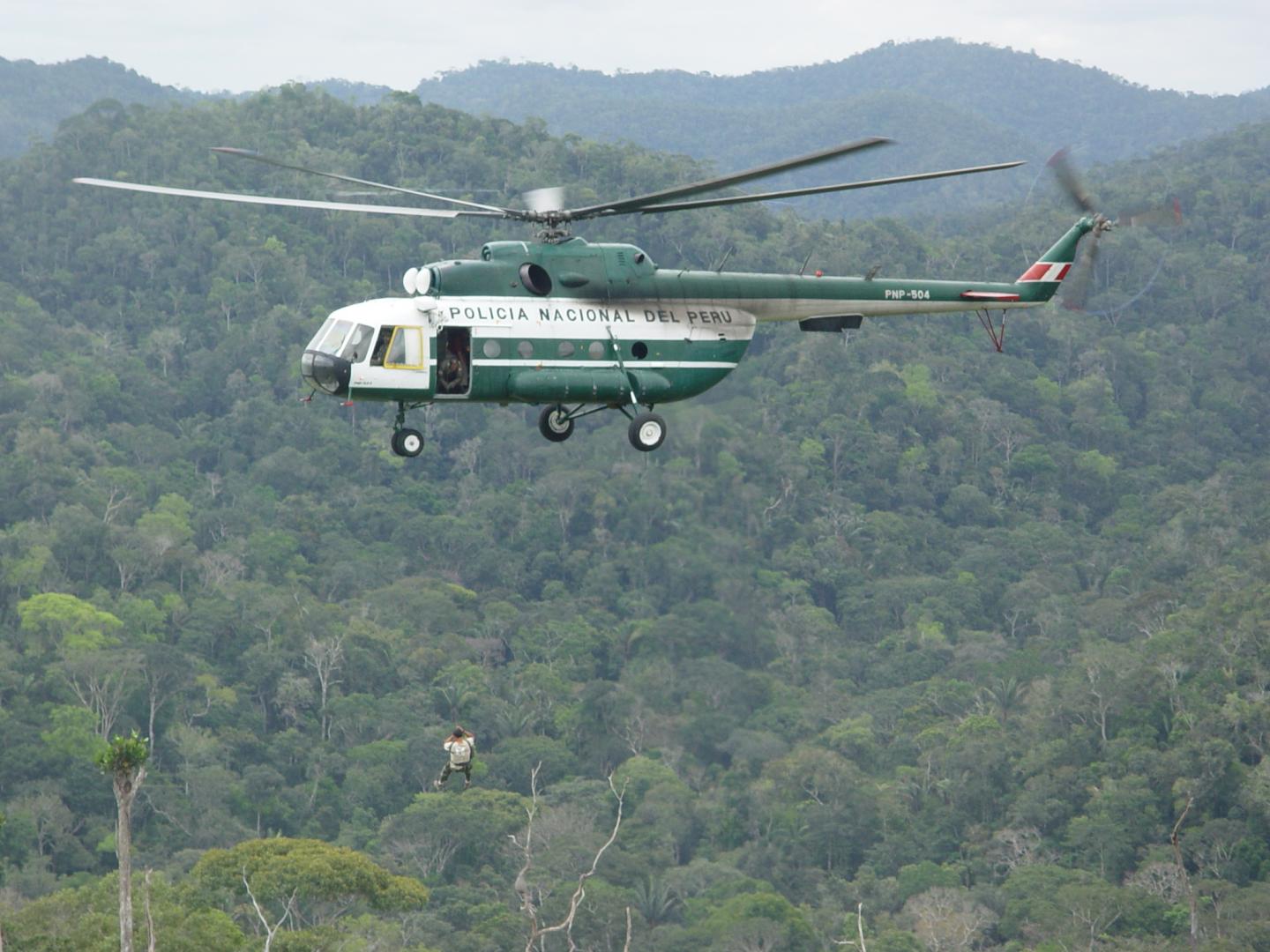
The Peruvian government announced on Sunday the designation of 3.3 million acres of Amazonian rainforest as a national park in the Sierra del Divisor mountain range. Chicago's Field Museum played a key role in the international effort that led to the creation of this conservation area.

For the past 15 years, The Field Museum has been leading Rapid Inventory programs in South America to discover the biological importance of remote regions and to work with local peoples to understand their use of the forests and their vision for the future. The Field did an initial fly-over of the site in 2002, and completed an inventory in 2005 that led to the discovery of more than 20 species new to science. Sierra del Divisor, a mountain range with unique geology, rises right up out of the middle of the Amazonian plain.

For ten years, The Field Museum has worked for the creation of the national park. The last four years have been devoted to partnering with indigenous people to develop conservation and quality-of-life plans.

The Field Museum's MacArthur Senior Conservation Ecologist and Director of the Andes-Amazon Program, Corine Vriesendorp, emphasized the collaborative nature of the project, explaining, "This is not a one-person effort, this is the culmination of ten years of numerous organizations working together–that's how you make conservation happen."

The land is home to thousands of plant and animal species, including birds, fishes, frogs, and plants found nowhere else in the world. But this biologically rich area is threatened on all sides by illegal logging, mining, coca plantations, and the oil industry. Protecting Sierra del Divisor as a national park will help safeguard the area's wildlife and provide a safe haven for the uncontacted Iskonawa indigenous people who live there.

###

Numerous individuals and organizations around the world contributed to the Sierra del Divisor project. They include the Peruvian National Park Service (SERNANP), the Ministry of the Environment, the Peruvian National Government, the regional governments of Loreto and Ucayali, the Gordon and Betty Moore Foundation, the Instituto del Bien Común (IBC), ProNaturaleza, The Nature Conservancy, Sociedad Peruana para Derecho Ambiental (SPDA), Centro de Datos para la Conservación (CDC), Derechos Ambientales y Recursos Naturales (DAR), Centro para el Desarrollo del Indígena Amazonico (CEDIA), the Rainforest Trust, the Prince of Monaco Foundation, The John D. and Catherine T. MacArthur Foundation, and others.


Share12Tweet7Share2ShareShareShare1

Related Posts

From Algae Waste to High-Performance Filters: Innovative Biochar Membranes Boost Wastewater Purification

April 2, 2026
Study Finds Hydrochar Enhances Soil Carbon Storage and Structure More Effectively Than Biochar

Study Finds Hydrochar Enhances Soil Carbon Storage and Structure More Effectively Than Biochar

April 2, 2026

Five-Year Study Uncovers Smarter Biochar Approach to Slash Methane Emissions in Rice Paddies

April 2, 2026

Blocking AhR Boosts Axon Regeneration Switch

April 2, 2026
Please login to join discussion

POPULAR NEWS

  • blank

    Revolutionary AI Model Enhances Precision in Detecting Food Contamination

    96 shares
    Share 38 Tweet 24
  • Imagine a Social Media Feed That Challenges Your Views Instead of Reinforcing Them

    1007 shares
    Share 398 Tweet 249
  • Promising Outcomes from First Clinical Trials of Gene Regulation in Epilepsy

    51 shares
    Share 20 Tweet 13
  • Popular Anti-Aging Compound Linked to Damage in Corpus Callosum, Study Finds

    44 shares
    Share 18 Tweet 11

About

We bring you the latest biotechnology news from best research centers and universities around the world. Check our website.

Follow us

Recent News

From Algae Waste to High-Performance Filters: Innovative Biochar Membranes Boost Wastewater Purification

Study Finds Hydrochar Enhances Soil Carbon Storage and Structure More Effectively Than Biochar

Five-Year Study Uncovers Smarter Biochar Approach to Slash Methane Emissions in Rice Paddies

Subscribe to Blog via Email

Enter your email address to subscribe to this blog and receive notifications of new posts by email.

Join 78 other subscribers
  • Contact Us

Bioengineer.org © Copyright 2023 All Rights Reserved.

Welcome Back!

Login to your account below

Forgotten Password?

Retrieve your password

Please enter your username or email address to reset your password.

Log In
No Result
View All Result
  • Homepages
    • Home Page 1
    • Home Page 2
  • News
  • National
  • Business
  • Health
  • Lifestyle
  • Science

Bioengineer.org © Copyright 2023 All Rights Reserved.