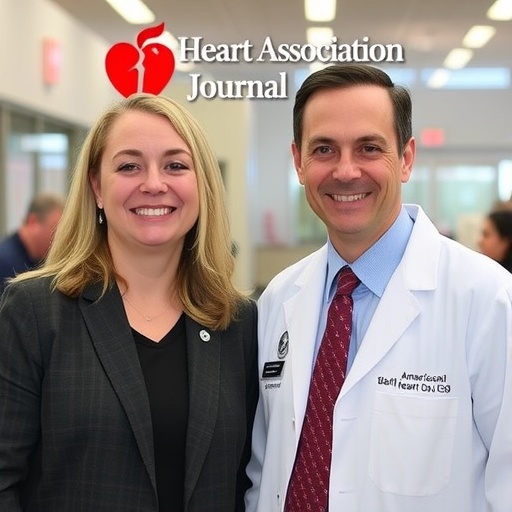
In a compelling editorial published in the esteemed Journal of the American Heart Association, Dr. John Apolzan, director of the Clinical Nutrition and Metabolism Laboratory at the Pennington Biomedical Research Center, highlights the profound impact of fruit-rich dietary patterns on vascular health. This piece not only underscores the critical role of fruit consumption in improving endothelial function but also places these findings within the broader context of the Food Is Medicine initiative, which advocates for nutrition’s integration into healthcare paradigms to prevent and mitigate chronic diseases.
Dr. Apolzan’s editorial builds on the findings of a pivotal study that investigated the effects of increasing total fruit intake, specifically focusing on avocados and mangos, in adults with prediabetes. The study demonstrated substantial improvements in endothelial function—a key marker of vascular health—and beneficial shifts in cardiometabolic risk factors. These results reinforce the growing body of evidence suggesting that diets enriched with fruit can significantly enhance nutrient status and yield positive health outcomes.
Emphasizing the mechanisms behind these benefits, the editorial delves into how bioactive compounds in fruits—such as antioxidants, fiber, and phytochemicals—contribute to endothelial repair and reduce oxidative stress. These effects collectively improve vascular tone and resilience, thereby lowering the risk of cardiovascular disease progression. The inclusion of avocados, rich in monounsaturated fats, and mangos, abundant in vitamins and polyphenols, exemplifies how diverse fruit intake can target multiple pathways integral to metabolic and vascular health.
Beyond the biological mechanisms, Dr. Apolzan articulates the relevance of this research to public health strategies. He advocates for a translational approach that moves beyond controlled efficacy trials to pragmatic implementation studies designed to scale dietary interventions that improve health outcomes in real-world populations. This underscores the necessity for multidisciplinary collaboration to embed nutrition-focused care within clinical settings, enhancing preventive cardiometabolic healthcare outcomes.
Dr. Apolzan’s expertise lies in managing clinical nutrition investigations and mHealth interventions aimed at optimizing body weight, physical activity, and metabolic health across diverse populations. His innovative work includes the co-invention of the FoodImage and PortionSize apps, technologies designed to accurately track and promote healthy dietary behaviors. This integration of technology with clinical nutrition research reflects a cutting-edge strategy to enhance precision in dietary assessment and intervention efficacy.
The editorial’s contribution to the scientific literature is timely, as cardiovascular diseases remain the leading cause of mortality worldwide. With endothelial dysfunction recognized as an early harbinger of atherosclerosis and metabolic disturbances, the identification of modifiable dietary factors is paramount. Fruit consumption represents a feasible and scalable public health target, meriting focused attention in nutrition guidelines and policy frameworks.
Importantly, the article transparently notes Dr. Apolzan’s external funding from the Hass Avocado Board, emphasizing the necessity for disclosure and objective interpretation of research outcomes. Despite industry collaborations, the overarching findings are substantiated by robust clinical data and align with broader epidemiological evidence supporting the cardioprotective effects of fruits.
The Pennington Biomedical Research Center, home to Dr. Apolzan, is a globally recognized research institution dedicated to unraveling the complexities of metabolic diseases. With a comprehensive research infrastructure encompassing over 600 personnel and multiple specialized laboratories, the center is poised to advance translational nutrition science and innovative interventions that span from cellular mechanisms to societal health impacts.
This editorial also situates its findings within the scope of the Food Is Medicine initiative, a growing movement promoting the clinical utilization of diet and nutrition as preventive and therapeutic tools. By aligning scientific insights with policy and healthcare delivery mechanisms, such frameworks propel the integration of lifestyle medicine into conventional healthcare, potentially transforming disease management paradigms.
Furthermore, the study underscores the importance of tailored dietary counseling and nutrition education as integral components for achieving sustained behavior change. Incorporating foods like avocados and mangos, which deliver not only essential nutrients but also sensory satisfaction, could enhance adherence to healthier dietary patterns, representing a pragmatic strategy to combat the burgeoning prevalence of metabolic disorders.
In conclusion, Dr. Apolzan’s editorial presents a compelling narrative that transcends traditional nutritional research. By intertwining mechanistic insights, clinical implications, and public health relevance, the work galvanizes the scientific community to prioritize fruit-rich dietary patterns as a cornerstone in vascular health and chronic disease prevention. This paradigm shift towards nutrition-centric care offers a promising avenue for enhancing global health outcomes through scientifically validated, accessible, and enjoyable dietary interventions.
Subject of Research: Fruit-Rich Dietary Patterns and Vascular Health
Article Title: Fruit-Rich Dietary Pattern Improves Endothelial Function: Implications for Food Is Medicine
News Publication Date: 3-Feb-2026
Web References:
– Editorial: https://www.ahajournals.org/doi/10.1161/JAHA.125.048186
– Study: https://www.ahajournals.org/doi/10.1161/JAHA.124.040933
Image Credits: Madison Page/PBRC
Keywords: Nutrition, Metabolism, Vascular biology, Diets, Health counseling, Dietary counseling, Nutrition counseling, Diabetes, Type 1 diabetes, Type 2 diabetes, Metabolic disorders
Tags: antioxidants and phytochemicals in vascular repairbioactive compounds in fruits and cardiovascular benefitscardiometabolic risk reduction through dietclinical nutrition and metabolism researchendothelial function improvement in prediabetesFood Is Medicine initiative and chronic disease preventionfruit intake and oxidative stress reductionfruit-rich dietary patterns and vascular healthimpact of avocado and mango consumptionJournal of the American Heart Association editorialnutrition integration in healthcarePennington Biomedical Research Center