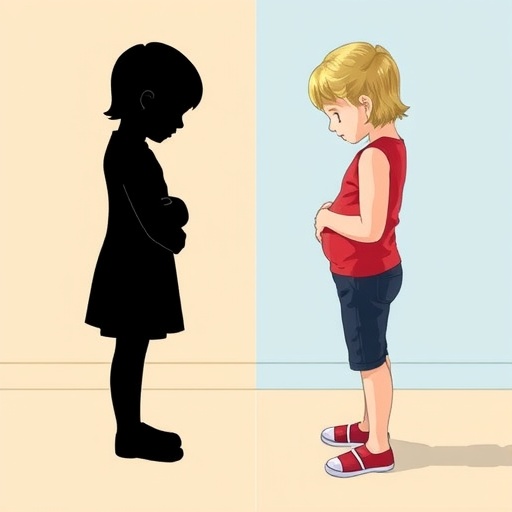
The growing concerns surrounding childhood obesity have taken center stage in public health discussions, highlighting the critical role that parental attitudes and perceptions play in shaping children’s weight management. Recent research has delved into this dynamic, offering new insights into how parents estimate their children’s weight status. A groundbreaking study conducted in Serbia sheds light on this pressing issue, providing evidence that could inform interventions and policy development aimed at curbing childhood obesity.
In a world where the prevalence of obesity among children is increasingly alarming, the study led by Halasi, Đorđić, and Marković offers a crucial perspective. By examining a specific demographic—Serbian children aged 6 to 9 years—the researchers underscore the need for tailored approaches to address the unique challenges and cultural contexts of different populations. This work not only highlights regional disparities but also reveals the universal trends in parental perceptions of their children’s weight.
Parental estimates of children’s weight status are often misaligned with actual measurements. This discrepancy can have significant implications for children’s health, as parents who underestimate or overestimate their child’s weight are less likely to engage in effective weight management strategies. The study comprehensively investigates these perceptions, integrating quantitative data with qualitative insights to explore how these beliefs are formed and maintained.
One of the most striking findings from the study is the degree to which cultural factors influence parental perceptions. In many societies, including Serbia, traditional views on body image and health can skew the understanding of what constitutes a healthy weight. Parents may equate chubbiness with health and prosperity, leading to a lack of urgency in addressing potential weight-related issues. The study highlights the importance of cultural competence in designing health interventions that resonate with families and promote healthier lifestyles.
Furthermore, the research underscores the necessity of education in bridging the knowledge gap regarding childhood obesity. Many parents are not equipped with the tools or information needed to assess their child’s weight accurately. This gap can lead to a cycle of misunderstanding and inaction, perpetuating unhealthy habits. The findings emphasize the potential benefits of community outreach programs that empower parents with the knowledge and resources to make informed decisions about their children’s health.
A crucial aspect of the study is the role of healthcare professionals in shaping parental perceptions. Pediatricians and other healthcare providers have the opportunity to serve as valuable sources of information and support for families. By engaging parents in open discussions about weight, health, and nutrition, healthcare practitioners can play a pivotal role in shifting perceptions and encouraging proactive measures to foster healthier lifestyles for children.
One notable outcome of the study is the call for the development of tailored educational campaigns aimed at parents. These initiatives should not only provide practical guidelines for recognizing healthy weight ranges but also address the emotional and psychological factors that accompany discussions about weight. Awareness campaigns can dismantle stigmas associated with obesity and equip parents with the knowledge they need to approach the subject with sensitivity and understanding.
In addition to parental insights, the research also reveals the importance of considering children’s perspectives on their own weight status. Engaging children in dialogues about health can foster greater awareness and accountability. When children are involved in discussions about their health, they are more likely to adopt positive behaviors and attitudes toward weight management. The interplay between parental and child perceptions is complex, yet it is crucial for creating an environment conducive to healthy growth and development.
The findings of this research are not confined to Serbia alone; they resonate with global trends in childhood obesity. As societies grapple with the implications of rising obesity rates, understanding the nuances of parental perceptions becomes increasingly vital. Policymakers and public health officials must take into account the cultural and social factors that underpin these perceptions in order to craft effective strategies for combating childhood obesity.
In closing, the study conducted by Halasi, Đorđić, and Marković offers a blueprint for understanding the intricacies of parental perceptions regarding children’s weight status. As the obesity epidemic continues to challenge health systems worldwide, this research serves as a pivotal reminder of the need for informed and compassionate approaches to health education. By aligning efforts across families, healthcare professionals, and communities, we can foster a healthier future for the next generation.
This comprehensive exploration of parental estimates of children’s weight highlights the pressing need for targeted interventions and educational programs. The path forward lies in collaboration, understanding, and a commitment to reshaping perceptions around weight and health in children.
Subject of Research: Parental estimates of children’s weight status
Article Title: Parental estimates of children’s weight status: evidence from Serbian children aged 6–9 years.
Article References:
Halasi, S., Đorđić, V., Marković, L. et al. Parental estimates of children’s weight status: evidence from Serbian children aged 6–9 years. BMC Pediatr (2025). https://doi.org/10.1186/s12887-025-06419-5
Image Credits: AI Generated
DOI: 10.1186/s12887-025-06419-5
Keywords: childhood obesity, parental perceptions, weight status, cultural factors, health education, Serbia, pediatricians, interventions, community outreach.
Tags: childhood obesity awarenesschildhood obesity research in Serbiacultural influences on health perceptionsdiscrepancies in weight estimationimplications of parental attitudesobesity prevention interventionsparental perceptions of weightpublic health strategies for obesityregional disparities in health perceptionsSerbian children’s healthtailored approaches to childhood obesityweight management strategies for families