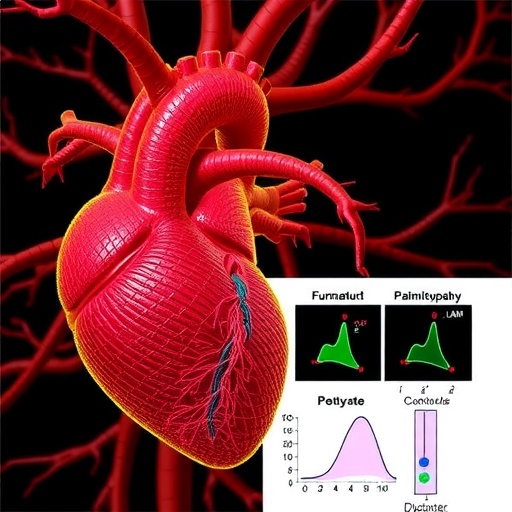
In diabetic cardiomyopathy, the heart’s energy balance and stress-handling systems deteriorate even when blood glucose is managed. A new study now points to a molecular switch that could help restore cardiac performance: the palmitoylation-driven rise of the Na⁺/K⁺-ATPase alpha 2 subunit, known as NKAα2.
Researchers report that modifying NKAα2 with palmitate—an interaction that can alter protein trafficking, stability, and activity—boosts NKAα2 levels in disease-relevant settings. Because NKAα2 is a key ion pump regulating intracellular sodium and potassium, its upregulation has downstream effects on cellular ionic homeostasis, excitability, and metabolic demand.
What makes the work particularly compelling is the proposed metabolic pathway that links membrane protein regulation to cellular fuel use. The team highlights the fumarate hydratase/fumarate axis, suggesting that palmitoylation not only changes NKAα2 abundance but also reshapes the heart’s handling of fumarate-derived metabolism.
The study frames fumarate metabolism as more than a bystander. Fumarate availability can act as a signaling and redox-related node, potentially influencing how cells respond to oxidative stress and how efficiently they sustain ATP production under diabetic conditions. In this view, improved NKAα2 activity may help synchronize ion pumping with metabolic flux.
At the cellular level, diabetic cardiomyopathy is driven by maladaptive responses including impaired energy utilization and heightened vulnerability to injury. By elevating NKAα2 through palmitoylation, the researchers observed protective trends consistent with reduced pathological stress and improved functional outcomes.
In mechanistic terms, the work integrates post-translational control with metabolic reprogramming. This coupling implies that targeting enzymes or regulators that govern palmitoylation could offer a lever to both stabilize critical membrane proteins and adjust metabolic signaling pathways.
The findings open a new angle for therapy development: rather than solely focusing on glucose lowering or broad cardiac support, interventions might aim at restoring the palmitoylation landscape that tunes NKAα2 and, in turn, directs fumarate-centered metabolism.
While additional studies are required to translate these mechanisms into clinical strategies, the results provide a testable framework for future drug discovery aimed at palmitoylation regulators, NKAα2 maintenance, and fumarate pathway modulation.
Subject of Research: Diabetic cardiomyopathy; NKAα2 palmitoylation; fumarate hydratase/fumarate metabolic pathway
Article Title: Palmitoylation-driven upregulation of NKAα2 improves diabetic cardiomyopathy: a role for the fumarate hydratase/fumarate metabolic pathway.
Article References: Lu, XX., Feng, YY., Yang, L. et al. Palmitoylation-driven upregulation of NKAα2 improves diabetic cardiomyopathy: a role for the fumarate hydratase/fumarate metabolic pathway. Cell Death Discov. (2026). https://doi.org/10.1038/s41420-026-03275-9
Image Credits: AI Generated
DOI: https://doi.org/10.1038/s41420-026-03275-9
Tags: Diabetic cardiomyopathyenergy metabolism in diabetic heartfumarate metabolic pathwayintracellular sodium and potassium homeostasision pump modulation in heart diseaselipid modifications of cardiac proteinsmetabolic signaling in cardiomyocytesmolecular mechanisms of diabetic heart failureNKAα2 regulationoxidative stress response in diabetic heartpalmitoylation in cardiac functionrole of fumarate hydratase