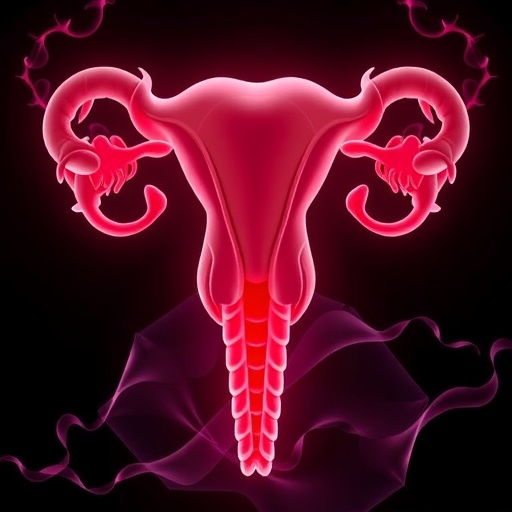
In an era where the quest for longevity and improved reproductive health takes center stage, research led by Ling et al. illustrates a promising avenue that may revolutionize our understanding of ovarian aging. The study is anchored in the alarming phenomenon of aging, particularly how it affects ovarian function, which poses significant challenges to fertility. The findings serve not only to unravel the mystery behind these biological processes but also to present potential therapeutic strategies to combat the adverse effects associated with aging in reproductive health.
D-galactose, a common sugar, has been shown to induce biological aging in various organs, including the ovaries. The link between D-galactose and accelerated ovarian aging underscores the pressing need to investigate potential interventions that could ameliorate its detrimental effects. By harnessing natural compounds such as Oviductus Ranae, researchers aim to bridge the gap between traditional practices and modern scientific validation, offering hope for those seeking to preserve ovarian health.
One striking feature of this research is its focus on ferroptosis, a form of regulated cell death characterized by the accumulation of lipid peroxides. The study signifies a paradigm shift in how we view ovarian aging, devoting particular attention to the pathways influencing cell survival and death. The decision to target ferroptosis offers insights into previously unexplored mechanisms that might be critical in preserving ovarian function throughout aging.
At the molecular level, the GPX4/ACSL4 pathway emerges as a critical player within this investigational framework. This pathway is pivotal in regulating oxidative stress and maintaining cellular homeostasis. Notably, the researchers have identified a connection between the inhibition of ferroptosis and the modulation of this pathway when treated with Oviductus Ranae. By unraveling this relationship, we can begin to appreciate how specific interventions can mitigate the impacts of oxidative stress associated with aging.
The implications of this study extend beyond just the identification of critical pathways; they resonate deeply within the realm of reproductive health. With rising concerns over declining fertility rates worldwide, understanding the mechanisms that support ovarian aging could unlock new horizons in fertility preservation. As evidence mounts indicating the significance of cellular health and survival in the face of aging, it becomes clear that strategies to mitigate these effects could transform reproductive health care.
Through examination of both in vitro and in vivo models, the researchers meticulously detail their methodology while revealing the efficacy of Oviductus Ranae in counteracting the aging processes initiated by D-galactose. By implementing a two-pronged approach encompassing both biochemical analyses and biological assessments, the study provides a robust framework for future exploration of natural compounds as therapeutic agents.
Furthermore, the study highlights the potential for integrating traditional remedies with contemporary scientific inquiry. Oviductus Ranae, derived from the Chinese edible frog, has long been celebrated in traditional medicine for its nutritional and health-promoting properties. The evolving dialogue between conventional and alternative medicine is critically valuable, as contemporary studies begin to unveil the underlying mechanisms that designate these traditional practices as scientifically sound methods.
As the authors navigate through their findings, one cannot overlook the potential societal implications of this work. Fertility and ovarian health are foundational to women’s health. Given the profound impact of reproductive aging on overall quality of life, studies such as this one serve to reinforce the necessity of ongoing research into novel interventions. The promising results observed suggest that there may be tangible solutions on the horizon aimed at improving women’s reproductive health outcomes.
In addition to its scientific implications, the communication of research findings to the broader public is essential. Translating complex biochemical pathways and research methodologies into accessible language can empower individuals to take charge of their health. This study lays the groundwork for educational platforms focusing on how lifestyle, nutrition, and innovations in biomedical sciences contribute to long-term reproductive wellness.
As we look toward the future, the intersection of innovative research and practical applications will remain paramount. The research conducted by Ling et al. signifies an essential contribution to the ongoing discourse surrounding ovarian aging and fertility preservation. As ongoing studies continue to investigate the ramifications of oxidative stress and cell death pathways, there lies an opportunity to develop new paradigms for treatment and prevention.
While concrete clinical applications may still be a few steps away, the groundwork laid by this research highlights an exciting trajectory in the fields of reproductive biology and aging. As scientists delve deeper into the molecular intricacies of aging and its associated challenges, we can only anticipate that the confluence of traditional wisdom and modern science will continue to yield transformative discoveries in women’s health.
This emerging narrative not only emphasizes the significant biological pathways implicated in ovarian aging but also calls for an overhaul in how society perceives and addresses reproductive health. As awareness grows around the impacts of aging on fertility, the integration of innovative therapeutic interventions will undoubtedly enhance the quality of life for women experiencing these changes.
The journey from research bench to real-life applications remains a challenge, yet groundbreaking studies such as this one bolster hope within the scientific community and society at large. Ultimately, embracing this evolution in thinking around fertility and reproductive aging will lead to a new era of empowerment for women, as they gain access to tools and insights that promote healthier aging and sustained reproductive function.
In conclusion, the investigation presented by Ling et al. serves as a catalyst for further exploration into the realms of ovarian health and aging. The dynamic interplay of biological mechanisms revealed through their research sheds light on our understanding of how natural compounds can effect change at the cellular level. As the scientific narrative develops, continued focus on interdisciplinary approaches will pave the way for future advancements in maintaining fertility and reproductive wellness.
Subject of Research: Ovarian aging and its intervention through Oviductus Ranae.
Article Title: Oviductus Ranae alleviates D-galactose-induced ovarian aging by inhibiting ferroptosis and regulating the GPX4/ACSL4 pathway.
Article References:
Ling, X., Xie, C., Li, M. et al. Oviductus Ranae alleviates D-galactose-induced ovarian aging by inhibiting ferroptosis and regulating the GPX4/ACSL4 pathway.
J Ovarian Res (2025). https://doi.org/10.1186/s13048-025-01857-2
Image Credits: AI Generated
DOI: N/A
Keywords: Ovarian aging, D-galactose, ferroptosis, GPX4, ACSL4, reproductive health, Oviductus Ranae.
Tags: biological aging and fertilitycombating aging in women’s health.D-galactose effects on ovariesferroptosis and fertilityinterventions for ovarian healthlipid peroxidation and cell deathlongevity and reproductive healthnatural compounds for reproductive healthovarian aging researchOviductus Ranaetherapeutic strategies for aging ovariestraditional medicine in modern science