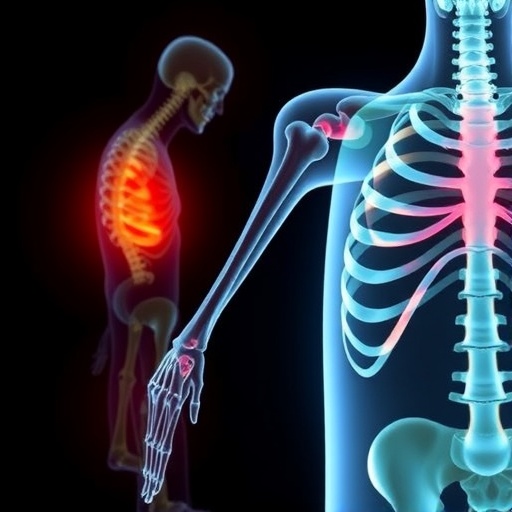
Chronic kidney disease (CKD) represents a significant health challenge worldwide, affecting millions of individuals and manifesting in a variety of complications that can severely impact quality of life. In a pivotal new study published in Scientific Reports, researchers Bai et al. delve into a particularly concerning aspect of CKD: osteoporosis associated with chronic kidney dialysis treatments. Their cross-sectional analysis focuses on patients aged over 50 years, aiming to elucidate the prevalence of CKD-related osteoporosis and the multifactorial risk factors contributing to this condition.
This research is essential as it sheds light on the complex interplay between kidney dysfunction and bone health. Osteoporosis, characterized by decreased bone density and increased fracture risk, can have dire consequences for individuals undergoing maintenance hemodialysis—especially in the elderly demographic. The findings are significant, particularly considering the aging population and the burgeoning rates of CKD globally. Addressing this bone health crisis is more critical than ever, as it has implications not only for patient care but also for healthcare systems at large.
To understand the scope of this issue, the study meticulously examines 200 hemodialysis patients over the age of 50, assessing both clinical data and bone mineral density measurements. The results revealed that a staggering 57% of participants exhibited osteoporosis, a rate markedly higher than that observed in the general elderly population. This alarming prevalence highlights the urgent need for targeted screening and preventive measures within this vulnerable population. The underlying mechanisms linking CKD, hemodialysis, and bone degradation are complex, and the researchers aim to clarify these interactions.
The intricacies of CKD-associated osteoporosis are compounded by various risk factors that this study identifies. For instance, secondary hyperparathyroidism—common among patients with CKD—can lead to an imbalanced calcium-phosphorus metabolism, significantly contributing to bone demineralization. Additionally, vitamin D deficiencies are rampant in individuals receiving dialysis, undermining calcium absorption and further aggravating bone health. The research emphasizes the importance of addressing these metabolic derangements, which, when mitigated, could lead to improved outcomes for patients.
Moreover, Bai et al. highlight lifestyle factors, such as physical inactivity and nutritional deficiencies, that exacerbate the risk of developing osteoporosis. A sedentary lifestyle, often prevalent among dialysis patients due to fatigue and mobility issues, is a crucial contributor to worsening bone health. Furthermore, inadequate dietary intake of calcium and protein—as well as underconsumption of vital micronutrients—demonstrates how comprehensive management of CKD necessitates a multidisciplinary approach focused on holistic patient health rather than isolated treatment of kidney function.
Another notable dimension discussed in this research pertains to diabetes mellitus, a common comorbidity in patients with CKD. The study illustrates that glycemic control plays a potentially protective role against the development of osteoporosis. The authors point to emerging evidence suggesting that better diabetes management can mitigate metabolic bone disease, making a compelling case for integrated care strategies that encompass both renal and endocrine health.
Additionally, the psychosocial aspects of living with CKD and osteoporosis cannot be overlooked. Patients often navigate a labyrinth of healthcare appointments, therapeutic regimens, and lifestyle modifications, which can foster feelings of anxiety and depression. The cumulative effect of poor mental health and chronic physical ailments may lead to a negative feedback loop, where psychological distress further diminishes bone health through impaired self-care and adherence to treatment protocols. The researchers advocate for comprehensive psychosocial support to bolster patient resilience and promote adherence to healthful practices.
With this study’s compelling findings, the conversation around preventive strategies for CKD-associated osteoporosis becomes increasingly crucial. The authors propose that regular bone density screenings and nutritional counseling should become standard components of care for patients undergoing hemodialysis. Early identification of osteoporosis risk can facilitate timely interventions, such as pharmacotherapeutic options and lifestyle modifications aimed at enhancing bone strength.
Moreover, the implications of this research extend beyond individual patient care; they prompt healthcare policymakers to reevaluate existing guidelines and protocols for managing CKD and its complications. As the prevalence of kidney disease continues to rise, largely attributed to factors such as diabetes and hypertension, there is a pressing need for systematic approaches that include screening for osteoporosis and prioritizing patient education on bone health.
The long-term outcomes of the study are anticipated to influence future research directions significantly. More longitudinal studies are warranted to better understand the impact of various interventions on mitigating osteoporosis in this patient population. Moreover, there may be an opportunity for collaborative research efforts to investigate genetic predispositions, innovative treatment modalities, and novel therapeutics that could further improve patient outcomes.
Ultimately, the researchers call for heightened awareness of the interplay between CKD and osteoporosis among healthcare providers, urging them to adopt a proactive stance in assessing and addressing the bone health of patients in their care. As the medical community processes these findings, the hope is to transform awareness into action, leading to improved standards of care that can alleviate the burden of osteoporosis in individuals living with chronic kidney disease.
In conclusion, the study conducted by Bai et al. is a clarion call for a paradigm shift in how healthcare systems approach the intertwined clinical challenges presented by CKD and osteoporosis. As researchers and clinicians work in tandem to confront this dual health crisis, the ultimate aim remains clear: to enhance patient quality of life and outcomes through informed, compassionate, and comprehensive care strategies.
Subject of Research: The prevalence and risk factors of CKD-associated osteoporosis in maintenance hemodialysis patients aged over 50 years.
Article Title: Prevalence and risk factors of CKD-associated osteoporosis in maintenance hemodialysis patients aged over 50 years: a cross-sectional study.
Article References:
Bai, Y., Lin, Y., An, N. et al. Prevalence and risk factors of CKD-associated osteoporosis in maintenance hemodialysis patients aged over 50 years: a cross-sectional study.
Sci Rep (2026). https://doi.org/10.1038/s41598-026-35136-x
Image Credits: AI Generated
DOI: 10.1038/s41598-026-35136-x
Keywords: Chronic kidney disease, osteoporosis, hemodialysis, aging population, bone mineral density, secondary hyperparathyroidism, metabolic bone disease, renal health, diabetes management, patient care strategies.
Tags: aging population and CKD complicationsbone health in elderly CKD patientschronic kidney disease and bone densityhealth challenges in chronic kidney diseasehemodialysis and osteoporosis risksimplications of CKD on healthcare systemsmanagement of osteoporosis in dialysisosteoporosis in chronic kidney diseaseprevalence of osteoporosis in CKDquality of life in CKD patientsrisk factors for osteoporosis in dialysis patientsscientific research on kidney disease and bone health