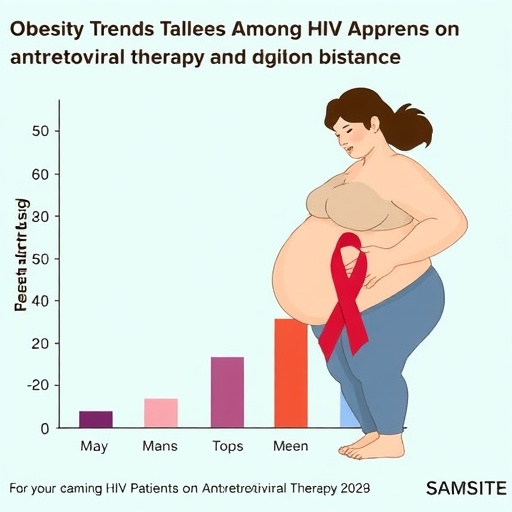
In a groundbreaking study published in Scientific Reports, researchers have shed light on a pressing public health issue: the prevalence of overweight and obesity among people living with HIV who are receiving antiretroviral therapy (ART) in Benin. The study, spearheaded by O.A.J. Ale and colleagues, highlights the often overlooked challenge of weight-related health conditions in this vulnerable population. Specifically, the findings reveal a concerning trend that not only underscores the complexities of managing HIV but also emphasizes the importance of holistic approaches to treatment and care in the context of ART.
In recent years, advancements in antiretroviral therapy have significantly improved the life expectancy and quality of life for those living with HIV. However, as individuals with HIV experience increased longevity, they also face a heightened risk of developing non-communicable diseases, including obesity and weight-related complications. The research conducted at a national hospital in Benin sought to assess the prevalence of overweight and obesity among individuals on ART, while also examining the associated factors contributing to these weight-related health issues.
The study analyzed a diverse cohort of participants, gathering data on various demographic, clinical, and lifestyle factors. This comprehensive approach allowed researchers to draw significant correlations between ART regimens and body mass index (BMI) metrics. Notably, obesity and overweight were found to be alarmingly prevalent among the study participants, raising questions about the adequacy of existing health interventions tailored for those living with HIV.
One of the critical findings of this study was the identification of specific demographic characteristics that correlated with higher rates of obesity and overweight among individuals on ART. For instance, factors such as age, gender, and socioeconomic status played pivotal roles in determining BMI outcomes. The study revealed that older adults and women were disproportionately affected by obesity, indicating an urgent need for targeted public health strategies that consider the unique health profiles of these subgroups.
While ART is undoubtedly crucial for managing HIV, it is essential to recognize that it can also lead to changes in metabolism and body composition. The research team explored the various ART regimens and their impact on weight gain. Some individuals experienced significant increases in weight shortly after initiating therapy, leading to questions about the long-term implications of these regimens on overall health. This highlights the importance of ongoing research into the intersection of HIV treatment and metabolic health.
Importantly, the study did not merely stop at identifying the prevalence of overweight and obesity; it delved into the psychosocial aspects and associated factors that contribute to these health disparities. Factors such as mental health, dietary habits, and access to healthcare services were examined, revealing a complex interplay between physical health and social determinants. These findings point to the necessity of not only addressing the medical needs of those on ART but also understanding the broader social contexts that influence their health outcomes.
The researchers also highlighted the consequences of obesity among the HIV-positive population, emphasizing the increased risk of comorbidities such as cardiovascular disease, diabetes, and certain cancers. These secondary health issues can lead to significant healthcare costs and further complicate the management of HIV, illustrating the need for integrated care models that address both infectious and non-communicable diseases.
In light of the study’s findings, the authors argue for the incorporation of weight management strategies into routine care for individuals receiving ART. This could involve nutritional counseling, physical activity programs, and mental health support, all tailored to the unique needs of people living with HIV. By addressing overweight and obesity head-on, healthcare providers can improve the overall quality of life for their patients and reduce the risk of future health complications.
The global implications of this research are significant, as the findings resonate far beyond the borders of Benin. In many parts of the world, the dual challenge of HIV and obesity presents a public health crisis that demands urgent attention. As the dynamics of the HIV epidemic continue to evolve, it is imperative that health policies are reformed to take into account the emerging complexities of chronic health conditions affecting this population.
Moreover, the study acts as a clarion call for further research on metabolic changes associated with ART and the long-term health effects of living with HIV. As scientists and healthcare providers strive to optimize treatment regimens, understanding the interplay between HIV medications and body composition will be essential in developing effective intervention strategies.
Overall, this pivotal research underscores the urgent need for a paradigm shift in how we approach the treatment and care of individuals living with HIV. Weight management should be recognized as an integral component of comprehensive HIV care, ensuring that patients not only survive but thrive in the face of their diagnosis.
The implications of these findings are crucial for policymakers and healthcare practitioners alike. Public health initiatives should focus on educating communities about the importance of maintaining healthy body weight, particularly for those engaged in ART. Tailored programs that address dietary habits and promote physical activity can play a significant role in preventing obesity-related complications in this population.
In conclusion, the study by O.A.J. Ale and colleagues serves as a poignant reminder that the journey for individuals living with HIV does not end with the initiation of antiretroviral therapy. As we enhance treatment options and improve life expectancy, we must also consider the metabolic implications and comprehensive health needs of this population. This research sets the stage for future studies and interventions aimed at enhancing the overall well-being of those living with HIV, paving the way for a more integrated and holistic approach to healthcare.
Subject of Research: Prevalence of overweight and obesity among people living with HIV on antiretroviral therapy in Benin.
Article Title: Prevalence and associated factors of overweight and obesity among people living with HIV on antiretroviral therapy in a national hospital in Benin.
Article References:
Ale, O.A.J., Ale, B.M., Koutangni, O.L. et al. Prevalence and associated factors of overweight and obesity among people living with HIV on antiretroviral therapy in a national hospital in Benin.
Sci Rep (2025). https://doi.org/10.1038/s41598-025-06449-0
Image Credits: AI Generated
DOI: 10.1038/s41598-025-06449-0
Keywords: HIV, overweight, obesity, antiretroviral therapy, Benin, public health, metabolic health, comprehensive care.
Tags: antiretroviral therapy and weight gainART regimen effects on body mass indexclinical implications of obesity in HIV treatmentdemographic factors affecting obesity in HIVholistic care for HIV patientslifestyle factors influencing weight in HIV patientsmanaging obesity in HIV-positive populationsnon-communicable diseases in HIVobesity prevalence among HIV-positive individualsobesity trends in HIV patientspublic health challenges in HIV careweight-related health issues in ART