In a groundbreaking qualitative study published in BMC Nursing, researchers have delved into the intricate experiences of nursing students as they adapt to the demanding environment of an intensive care unit (ICU). This model-based research led by Koçak, Konuk, and Durmaz investigates not just the hurdles faced by these students but also the supportive elements that facilitate their transition into one of the most challenging facets of healthcare. The dynamic nature of intensive care, combined with the emotional and educational pressures faced by students, creates a unique landscape that deserves in-depth analysis.
The ICU represents a pivotal learning environment for nursing students, often marked by high-stakes scenarios and a fast-paced atmosphere. While academic preparation is integral to their success, the reality of ICU settings often requires much more than theoretical knowledge. This study highlights various barriers that students encounter, including a sense of emotional overwhelm, insufficient practical training, and the inherent complexities of managing critically ill patients. For many students, the transition from classroom education to the practical demands of intensive care can be jarring.
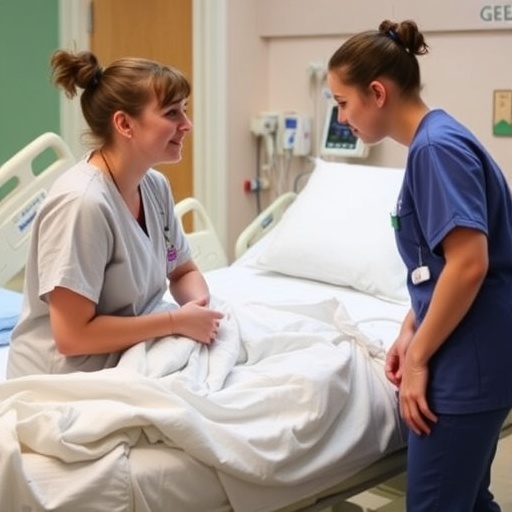
One of the significant barriers identified is the emotional toll of working in an ICU. The exposure to patients in critical conditions can be profoundly distressing. Many nursing students report feelings of inadequacy and anxiety when confronted with life-and-death situations. This emotional strain can hinder their ability to perform effectively, ultimately impacting patient care. The presence of mentors or experienced staff in the ICU can mitigate some of these feelings, providing the necessary emotional support to foster resilience among students.
An equally important facet of this research is the exploration of facilitators that can aid students in adjusting to intensive care environments. The authors emphasize the importance of structured mentorship programs where experienced nurses can provide guidance and support. Such relationships can greatly enhance students’ confidence and readiness to handle the complexities of patient care. Furthermore, effective communication between students and healthcare teams is crucial, serving to bridge knowledge gaps and empower students to seek clarifications without fear of judgment.
The study also sheds light on the need for comprehensive training programs that incorporate real-life scenarios and simulations. By engaging with realistic case studies and simulated patient interactions, nursing students can better prepare for the unpredictable nature of ICU work. These educational strategies not only build clinical skills but also enable students to develop critical thinking and problem-solving abilities essential for high-pressure environments.
Additionally, the research team emphasizes that institutional support must extend beyond training. Many students face challenges related to work-life balance, especially when clinical assignments and personal responsibilities clash. Institutions providing flexible scheduling and mental health resources can significantly boost the adaptability of nursing students, helping them negotiate stressful academic and clinical commitments.
Despite the challenges reported, the study underscores the inherent motivations driving nursing students to thrive in such demanding conditions. Many students express a profound sense of purpose in their work, often stemming from personal experiences or a desire to make a difference in the lives of critically ill patients. This intrinsic motivation plays a crucial role in their overall adaptability, serving as a powerful counterbalance to the barriers they face.
In addition to cultivating resilience and emotional intelligence, the authors advocate for the integration of interdisciplinary teamwork in training programs. Collaborating with other healthcare professionals fosters a holistic approach to patient care and prepares nursing students to understand their role within a broader medical team. Such exposure not only enhances their clinical competence but also refines their communication skills and professional identity in a complex healthcare landscape.
Another interesting dimension of the research is the cultural factors influencing students’ experiences in the ICU. The study reveals that students from diverse backgrounds may encounter unique challenges in adapting to the clinical setting, often influenced by communication barriers or differing expectations regarding professional conduct. Addressing these cultural aspects in training and fostering an inclusive environment is essential for the holistic development of future nurses.
As the study progresses, the implications of this research extend beyond the academic framework into policy considerations. The findings suggest that nursing educators and healthcare administrators must collaborate to reevaluate training frameworks, emphasizing the importance of a supportive learning environment. In doing so, institutions can enhance nursing education, better prepare students for ICU challenges, and ultimately improve patient outcomes.
The comprehensive approach of this research, which identifies and analyzes multiple dimensions of nursing students’ experiences in intensive care, sets a precedent for future studies in this field. By recognizing and addressing the challenges detailed herein, healthcare organizations can create sustainable systems that nurture the next generation of nursing professionals. Such advancements are not only beneficial to students but resonate throughout the healthcare system, leading to more prepared nurses who can confidently navigate the complexities of patient care in ICUs.
In conclusion, Koçak, Konuk, and Durmaz’s qualitative study provides critical insights into the barriers and facilitators that shape the experiences of nursing students in intensive care environments. Their work is a vital contribution to the ongoing conversation about nursing education, highlighting the need for enhanced support systems and training modalities. As nursing education evolves to anticipate the realities of modern healthcare, understanding the intricacies of students’ experiences will be crucial in fostering resilience and competence in future healthcare providers.
In this era where competent nursing care is paramount, studies like this serve as a clarion call for re-evaluating how we train and support our healthcare workforce. Through an integrated approach that blends emotional support, practical training, and interdisciplinary collaboration, we can lay the groundwork for future nurses to not only survive but thrive in the demanding world of intensive care.
Subject of Research: Barriers and facilitators in adaptation to intensive care from the perspective of nursing students.
Article Title: Barriers and facilitators in adaptation to intensive care from the perspective of nursing students: a model-based qualitative study.
Article References: Koçak, A.T., Konuk, T.G. & Durmaz, M. Barriers and facilitators in adaptation to intensive care from the perspective of nursing students: a model-based qualitative study. BMC Nurs (2025). https://doi.org/10.1186/s12912-025-04208-0
Image Credits: AI Generated
DOI: 10.1186/s12912-025-04208-0
Keywords: Nursing education, intensive care unit, emotional support, mentorship, barriers, facilitators, qualitative study.
Tags: barriers to ICU trainingeducational pressures in nursing studentsemotional overwhelm in nursingemotional toll on nursing studentshigh-stakes healthcare environmentsintensive care unit experiencesmanaging critically ill patientsnursing students ICU adaptation challengespractical training in nursingqualitative study nursing educationsupportive elements in nursing educationtransitioning from classroom to ICU