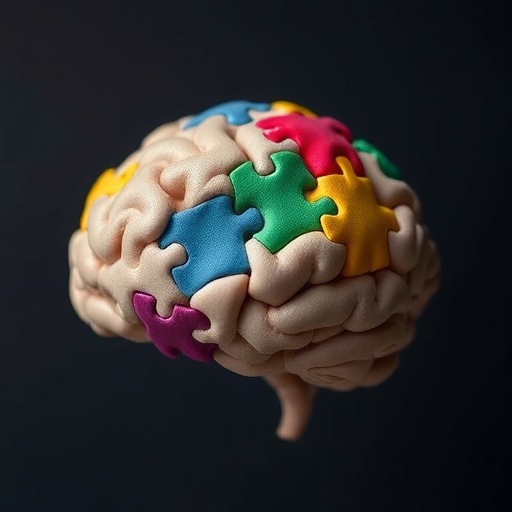
In an era characterized by rapid technological advancements, the integration of Generative Artificial Intelligence (GAI) in various fields has sparked significant interest and inquiry. Among the most affected sectors is healthcare, specifically nursing education. A recent qualitative study conducted by Jiang et al., delves into the cognitive status of nursing postgraduates regarding GAI, employing the Unified Theory of Acceptance and Use of Technology (UTAUT) framework as a foundational lens. This groundbreaking research illuminates the diverse perceptions and readiness of nursing students to embrace AI as a transformative tool in their professional journeys.
The study captures the essence of academia’s response to technological evolution, particularly at a time when nursing education is undergoing a considerable transformation to meet the demands of a digitally-driven landscape. Nursing postgraduates are at the forefront of this shift, needing to adapt to emerging technologies that could profoundly impact patient care and clinical practices. The research underscores a pivotal moment in education, as it grapples with integrating GAI into curricula, making it not only relevant but crucial for the training of future healthcare professionals.
Central to the findings of Jiang et al. is the observation that nursing postgraduates exhibit a range of cognitive responses to GAI. While some individuals demonstrate a strong enthusiasm for the technology, viewing it as an opportunity to enhance their learning and practice, others express skepticism and concern. This divergence in perception is largely influenced by several factors, including prior experience with technology, perceived usefulness, and social influence, all of which are pivotal elements within the UTAUT framework.
In exploring the perceived usefulness of GAI, the study highlights that many nursing postgraduates recognize the potential advantages of employing AI tools in clinical settings. These advantages span across various domains; from improving patient data management to facilitating more accurate diagnoses, the potential for AI to augment nursing capabilities is increasingly acknowledged. Moreover, the ability of GAI to analyze vast amounts of data and generate insights allows for more tailored and effective patient care, enhancing the overall quality of healthcare services.
However, the journey toward acceptance is not without its hurdles. A notable finding of the research is the hesitation among some students regarding the accuracy and reliability of GAI-generated outputs. Concerns over the potential for misinformation, particularly in clinical contexts where decisions can significantly impact patient outcomes, lead to a cautious approach to technology adoption. This apprehension underscores the importance of developing robust training processes that not only introduce GAI as a tool but also educate future healthcare practitioners on its responsible use.
Another compelling theme emerging from this qualitative study is the role of social influence in shaping attitudes towards GAI. Students often look to their peers, mentors, and educators to gauge the acceptability and efficacy of new technologies. Those who perceive strong support from their academic environment are more likely to embrace and advocate for the integration of GAI into their practice. This finding is particularly relevant, highlighting the need for educational institutions to foster an environment that promotes technological engagement rather than resistance.
The study also draws attention to the mixed levels of technological proficiency among nursing postgraduates. While some students are digital natives, comfortable navigating various technologies, others find themselves grappling with their unfamiliarity with advanced AI systems. This variability suggests a pressing need for tailored educational programs that accommodate diverse levels of technological competence, ensuring that all students can benefit from the potential advantages of GAI.
Moreover, the implications of this research extend beyond nursing education. As GAI continues to permeate various facets of healthcare, it compels educators across all disciplines to rethink how they prepare students for a future where technology will be a central component of practice. The insights gleaned from this study serve as a clarion call for educational reform, necessitating a curriculum that keeps pace with technological advancements.
Additionally, the moral and ethical dimensions surrounding GAI in healthcare also warrant careful consideration. As nursing professionals increasingly turn to AI for decision-making support, the ethical implications of relying on machine-generated recommendations must be scrutinized. There lies a delicate balance between leveraging technology for enhanced care and maintaining the humanistic elements that are vital to nursing practice.
The findings from Jiang et al. shed light on the necessity of interdisciplinary collaboration in addressing the challenges posed by GAI adoption. Engaging stakeholders—ranging from educators and technologists to clinicians and policymakers—will be critical in developing comprehensive strategies that enhance technology acceptance in nursing and beyond. Such concerted efforts will not only facilitate a smoother integration process but also pave the way for a more innovative and responsive healthcare sector.
As we look toward a future dominated by technological advancements, it’s imperative to embrace the transformative potential of GAI while simultaneously addressing the cognitive and emotional barriers that may hinder its acceptance. This intersection of technology and nursing education represents a significant frontier for research and practice, requiring ongoing inquiry to unpack the complex dynamics at play.
In summary, Jiang et al.’s qualitative exploration into the cognitive status of nursing postgraduates regarding GAI offers a thorough examination of the factors influencing technology acceptance in nursing education. As GAI continues to shape the healthcare landscape, the findings provoke crucial insights that will inform educational strategies, ensuring nursing professionals are equipped to thrive in an increasingly digital health environment. The discourse surrounding GAI is only beginning; thus, ongoing exploration and dialogue are essential in bridging gaps and fostering a cohesive approach to technology in nursing and healthcare as a whole.
The study not only enriches our understanding of postgraduates’ perspectives but also signals a transformative era for nursing education, prompting institutions to innovate curricula that prepare future generations for the realities of a technologically enhanced professional landscape.
In light of these findings, the nursing community is urged to engage actively in discussions about integrating GAI into everyday practice while upholding ethical standards and ensuring patient safety. With appropriate frameworks and support systems in place, nursing postgraduates can emerge as confident and competent practitioners, ready to harness the power of technology in delivering high-quality, patient-centered care.
Subject of Research: The cognitive status of nursing postgraduates toward Generative Artificial Intelligence
Article Title: Cognitive status of nursing postgraduates toward Generative Artificial Intelligence: a qualitative study based on the UTAUT framework
Article References: Jiang, H., Wang, Z., Meng, M. et al. Cognitive status of nursing postgraduates toward Generative Artificial Intelligence: a qualitative study based on the UTAUT framework. BMC Nurs (2026). https://doi.org/10.1186/s12912-025-04187-2
Image Credits: AI Generated
DOI: 10.1186/s12912-025-04187-2
Keywords: Generative Artificial Intelligence, Nursing Education, UTAUT Framework, Technology Acceptance, Healthcare Innovation, Qualitative Study.
Tags: cognitive responses to generative AIdigital evolution in nursing educationembracing AI in clinical practicesgenerative artificial intelligence in healthcareimpact of technology on patient careNursing education and technology integrationperceptions of AI among nursing studentsqualitative study on nursing perceptionsreadiness of nursing postgraduates for AItraining future healthcare professionals with AItransformative tools in nursing practiceUTAUT framework in nursing studies