In the realm of disaster response, the unheralded heroes often emerge from the most challenging circumstances. Nurses, as primary caregivers, frequently confront life-altering situations, especially when natural calamities strike. A profound exploration of these experiences sheds light on the way nurses adapt, cope, and ultimately reshape their professional identities in the face of adversity. Amidst the wreckage and chaos following an earthquake, their stories evoke not only admiration but also critical insights into the evolving nature of the nursing profession in disaster zones.
The recent qualitative study conducted by Kılıç and Çeçen Çamlı provides a rich narrative that uncovers the multifaceted experiences of nurses working in earthquake-affected regions. Through in-depth interviews and observations, the research captures a spectrum of firsthand accounts detailing the psychological, social, and professional ramifications of working under extreme conditions. Nurses in these settings face a unique blend of challenges, from physical exhaustion to emotional turmoil, which invariably shapes their professional approaches and ethos.
Central to this study is the recognition of the psychological resilience exhibited by nurses in post-earthquake scenarios. As frontline responders, they possess the innate ability to adapt swiftly, juggling multifarious roles from caregiver to counselor, often with scant resources at hand. The interviews reveal that despite the challenging circumstances, many nurses also find a renewed sense of purpose and commitment to their profession. This transformative journey highlights their deeper understanding of patient care, which transcends clinical boundaries and enters the realm of emotional and spiritual support.
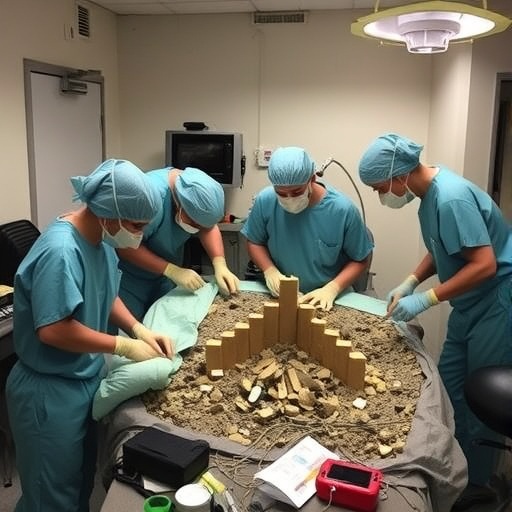
Furthermore, the research illustrates the stark realities of healthcare delivery in disaster settings, where the demand for services often far exceeds the available resources. Nurses routinely engage in triage, a process that not only tests their clinical acumen but also their ethical decision-making capabilities. Confronted with the harsh realities of pain, suffering, and loss, their experiences compel them to reassess their professional values and priorities. This introspection often leads to a stronger advocacy for improved health policies and disaster preparedness initiatives in their communities.
Another critical aspect surfaced in the study is the interplay between teamwork and individual resilience among nurses. When faced with the chaos of an earthquake aftermath, the collaborative efforts of healthcare professionals become vital for effective patient care. Nurses recount instances of camaraderie, where mutual support and shared experiences bolster their capacity to cope with overwhelming stress. Such solidarity not only enhances their emotional well-being but also reinforces the significance of interdisciplinary collaboration in crisis situations.
Moreover, the interactions with patients during these traumatic events create a profound impact on nurses’ professional identities. The emotional bonds formed during care often transcend the traditional patient-nurse relationship, morphing into deeply personal connections. These experiences engender a sense of empathy that endures long after the disaster has passed. Many nurses report a heightened awareness of patient needs and a commitment to fostering compassionate care, underscoring the importance of emotional intelligence in nursing.
In the context of ongoing learning and adaptation, the findings indicate that the experiences of nurses in earthquake regions serve as a catalyst for professional growth. The study reveals that many participants actively seek additional training and education to better equip themselves for future crises. This desire for knowledge reflects a broader trend within the nursing community, as practitioners recognize the necessity of continuous improvement in disaster response capabilities.
However, the study does not shy away from addressing the potential challenges that nurses may face in the wake of such experiences. The psychological toll of witnessing trauma can lead to burnout and compassion fatigue, necessitating the need for support systems within healthcare environments. Interviews with nurses reveal urgent calls for institutional support and mental health resources tailored specifically for those who serve in disaster-stricken regions. Recognizing and addressing these concerns is paramount to sustaining the workforce and ensuring that nurses remain effective caregivers in the long run.
The role of technology also surfaces as an indispensable tool in disaster response. In the context of the earthquake aftermath, many nurses leverage telehealth services and mobile applications to broaden their reach and improve patient care. These innovations not only streamline communication but also help in triaging patients more effectively, thus optimizing the limited resources available in disaster situations. The study emphasizes the importance of integrating technology into nursing practices, particularly in settings where traditional methods may falter.
Importantly, the research highlights the need for policy advocacy as a critical extension of nursing practice. As nurses navigate the complexities imposed by disasters, their unique insights position them as knowledgeable advocates for systemic improvements within the healthcare system. They understand firsthand the myriad challenges that arise in times of crisis and can articulate the essential changes required to enhance disaster preparedness and response strategies. This role empowers nurses to not only influence policy but also engage in broader discussions regarding public health and safety.
In conclusion, Kılıç and Çeçen Çamlı’s qualitative study offers a compelling exploration of the experiences of nurses in earthquake regions, illuminating the profound ways in which these challenges shape their professional approaches. As frontline warriors, nurses emerge from the shadows of disaster not only as caregivers but as resilient leaders and advocates for change. Their narratives provide valuable insights into the evolving dynamics of nursing in crisis situations, further underscoring the critical importance of supporting healthcare professionals in their quest to deliver compassionate and effective care.
In light of the findings from this study, it is evident that the healthcare community must prioritize the emotional and professional well-being of nurses, investing in resources that bolster their resilience and capacity for compassionate care. Furthermore, fostering collaborative environments and integrating technological innovations will serve to enhance nursing practices during disasters. Ultimately, a collective commitment to supporting these essential caregivers will not only benefit them but also the myriad patients and communities relying on their unwavering dedication and expertise during life’s most challenging moments.
Subject of Research: The experiences of nurses working in an earthquake region and the effect of these experiences on their professional approaches.
Article Title: The experiences of nurses working in an earthquake region and the effect of these experiences on their professional approaches: a qualitative study.
Article References:
Kılıç, A., Çeçen Çamlı, D. The experiences of nurses working in an earthquake region and the effect of these experiences on their professional approaches: a qualitative study.
BMC Nurs (2025). https://doi.org/10.1186/s12912-025-04125-2
Image Credits: AI Generated
DOI: 10.1186/s12912-025-04125-2
Keywords: nursing, earthquake, disaster response, professional resilience, healthcare, qualitative study, trauma, emotional intelligence, advocacy, telehealth.
Tags: adapting nursing practices in crisischallenges faced by nurses in emergenciescoping strategies for nursesearthquake nursing experiencesemotional impact of disaster on caregiversfrontline healthcare workers in earthquakesnarratives of nursing during disastersnurses in disaster responseprofessional development in nursing after crisesprofessional identity in nursingpsychological resilience in healthcarequalitative research in nursing