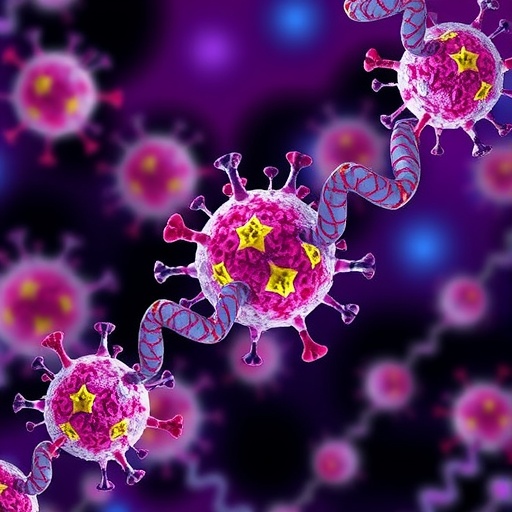
A groundbreaking research initiative spearheaded by a consortium of scientists at the Spanish National Cancer Research Centre (CNIO) and the Innovative Therapies Unit at CIEMAT has unveiled an innovative application of the CRISPR-Cas9 gene-editing technology in the battle against cancer. This pioneering study focuses on the unique vulnerabilities presented by the amplification of oncogenes within certain tumor cells. Traditional treatments often face challenges due to the aggressive nature of tumors with multiple copies of harmful genes, a scenario that can obstruct effective immune response and treatment efficacy. By exploiting these genetic anomalies, researchers are devising therapeutic strategies that promise to selectively target and eliminate malignant cells while sparing healthy tissues.
The fundamental premise of this research hinges on the understanding that oncogenes, when amplified, become significantly more dangerous. These genes, which play essential roles in cellular growth and division, can turn malignant when present in excessive quantities. The research team has demonstrated that by utilizing CRISPR-Cas9 to induce targeted breaks in the DNA of these amplified oncogenes, they can trigger cellular mechanisms that lead to cell death in tumor cells. This mechanism effectively transforms the excess genetic material into a deadly Achilles’ heel for the cancer cells, allowing for a form of selective eradication that could redefine therapeutic approaches.
In laboratory-based trials involving cellular and animal models, the outcomes were promising. Not only did the application of this gene-editing technique lead to a noticeable reduction in tumor size, but it also correlated with prolonged survival rates among test subjects. The researchers noted that their approach appeared to activate a tumor-fighting immune response, a vital element in the face of cancer’s ability to evade immune detection. This dual impact not only undermines the structural integrity of the tumor but also engages the immune system as an ally, escalating the body’s natural defenses against the malignancy.
The implications of this research are profound, especially in the context of cancers that display resistance to conventional therapies. Cancer cell resistance often stems from genetic mutations or aberrations that render standard treatments ineffective. By focusing on the genetic vulnerabilities associated with oncogene amplification, this approach emerges as a potential game changer in the quest for precision medicine. It provides a framework for developing therapies that are not only more effective but also more tailored to individual patient profiles, thus revolutionizing the landscape of oncology.
The cutting-edge nature of this strategy resides in its capacity for selectivity. While traditional gene editing has faced hurdles related to off-target effects—where healthy cells might also be inadvertently harmed—this method capitalizes on the fact that healthy cells possess normal gene copies that can repair any induced damage. Therefore, the CRISPR edits predominantly affect the cancer cells, which either cannot adequately repair the damaged DNA or undergo catastrophic failure as a result of extensive genetic disruption.
This breakthrough also opens new avenues for combining gene editing with existing treatment modalities such as chemotherapy. Preliminary findings from the study highlighted that administering standard chemotherapy agents alongside the CRISPR interventions resulted in a synergistic effect, where the combined treatments produced a higher level of tumor cell death than either therapy alone. This finding could pave the way for multi-faceted treatment regimens that harness both the precision of gene editing and the robust potential of systemic therapies.
Beyond the immediate implications for oncological treatments, this research underscores the transformative potential of gene editing technologies in biomedicine at large. By exploiting specific genetic anomalies and coupling them with the immune system’s capabilities, new therapeutic frameworks are emerging that defy traditional classifications of cancer treatment. The ability to reprogram the immune response in the presence of targeted genomic alterations shifts the paradigm toward more dynamic, adaptable treatment strategies.
As researchers delve deeper into the mechanisms behind this gene editing approach, they anticipate further exploration into the immunogenic responses elicited by tumor cell death. Initial observations suggest that the induced deaths could serve as signals to immune cells, effectively alerting them to the presence of a tumor and triggering a fortified immunological assault against residual cancer cells. This phenomenon underscores the intricate relationship between gene therapy and immunotherapy, which may represent the future of cancer management.
Overall, this study marks a significant step toward the development of precision therapies that address the complexities of tumor genetics. Gene amplification phenomena are often seen as hurdles in the treatment landscape, but this research reframes them as vulnerabilities ripe for exploitation. While much remains to be explored regarding the long-term implications and clinical applications, the findings establish a powerful precedent for further investigation into genetic-based cancer therapies.
Long-term, the potential of this novel strategy could resonate widely within the scientific community, inspiring additional research initiatives that seek to advance the frontiers of cancer therapy. The collaborative efforts between CNIO and CIEMAT exemplify the kind of interdisciplinary approaches necessary for tackling daunting challenges in cancer research. As such innovations continue to emerge, we stand on the cusp of a new era in cancer treatment that may one day transform the standard of care for patients worldwide.
These promising developments serve not just as a beacon of hope for those affected by cancer but also as a call to action for scientists and clinicians alike to embrace and explore the full potential of genetic editing technologies. The intersection of CRISPR and oncology heralds a future where tumors could be approached not simply as foes, but as complex systems rife with opportunities for targeted intervention and therapeutic success.
In summary, the pioneering work published in the journal Molecular Cancer highlights how the application of CRISPR technology can turn genetic weaknesses into potent weapons against cancer. This research not only enhances our understanding of oncogene amplification but also sets the stage for the next generation of precision therapies that could transform the fight against one of humanity’s most persistent health challenges.
Subject of Research: Animals
Article Title: Selective genome editing of amplified oncogenes triggers immunogenic cell death and tumor remodeling
News Publication Date: 5-Feb-2026
Web References: http://link.springer.com/article/10.1186/s12943-025-02542-0
References: DOI: 10.1186/s12943-025-02542-0
Image Credits: Christian Esposito / Madmoviex / CNIO
Keywords
Oncogenes, Amplicons, Translational research, Genome editing, CRISPRs, Cellular necrosis, Innate immune response
Tags: CIEMAT Innovative Therapies UnitCRISPR-Cas9 gene editinggenetic vulnerabilities in cancerimmune response in cancer therapyinnovative cancer treatment strategiesmalignant cell targeting techniquesoncogene amplification in tumorsresearch on cancer geneticsselective tumor cell eliminationSpanish National Cancer Research Centretargeted cancer therapiestumor cell death mechanisms