In a remarkable advancement in pediatric genetics, a team of researchers has reported a significant discovery related to the CHARGE syndrome, a complex genetic condition affecting numerous bodily systems. The study, meticulously crafted by Wu, Huang, Zhu, and colleagues, sheds light on a recent case involving a preterm infant who was initially misdiagnosed with idiopathic hypogonadotropic hypogonadism. This case underscores the complexities involved in genetic diagnosis and highlights the importance of understanding variant impacts within the CHD7 gene.
CHARGE syndrome, which stands for Coloboma, Heart defects, Atresia of the choanae, Retarded growth and development, Genitourinary abnormalities, and Ear abnormalities, is caused by mutations in the CHD7 gene. This gene plays an essential role in embryonic development, particularly in the formation of various organ systems. The relationship between CHD7 mutations and the myriad clinical manifestations associated with CHARGE syndrome underscores the complexity of genetic disorders.
The infant study initially posed significant diagnostic challenges, as the clinical presentation often overlaps with other developmental disorders. This specific infant exhibited characteristics that led clinicians to suspect idiopathic hypogonadotropic hypogonadism, which relates to disorders in the hormonal signaling pathway governing reproductive development. The initial misdiagnosis highlights the challenges facing health professionals when assessing genetic conditions that share overlapping symptoms.
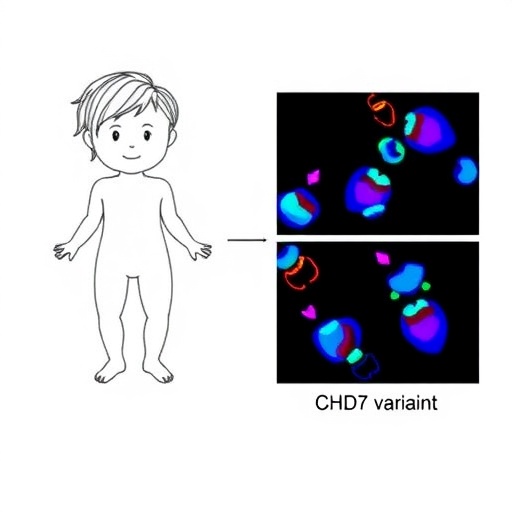
The researchers’ journey began with multifaceted genetic testing for this preterm infant. Utilizing advanced sequencing technologies, the team identified a de novo variant in the CHD7 gene. A ‘de novo’ variant refers to a genetic change that is not inherited from either parent but occurs spontaneously during the formation of reproductive cells or in early embryonic development. This type of mutation can lead to the onset of significant health concerns, marking a crucial incident given the complex nature of the syndrome.
CRISPR and other advanced gene-editing tools are constantly evolving and hold promise in understanding the impact of such mutations. These technologies can be crucial in elucidating the specific mechanisms by which CHD7 variants disrupt normal developmental processes. They offer researchers the opportunity to model the effects of specific mutations in vitro, providing insights that could pave the way for future treatments and management strategies.
The study not only highlights the critical need for enhancing diagnostic methods but also emphasizes the importance of genetic counseling for families facing unclear diagnoses. Genetic counselors play a vital role in guiding families through the implications of genetic testing, interpretation of results, and making informed decisions regarding treatment and management options. The psychosocial support provided by these professionals is invaluable, particularly in cases with such profound implications.
Moreover, findings such as these serve as a clarion call for the medical community to remain vigilant and informed about the latest developments in genetics. Continuous education and advancements in genetic research are essential for healthcare providers to keep pace with new knowledge that can significantly affect clinical practices. This is especially true in cases involving rare genetic disorders where conventional knowledge may be insufficient.
As researchers continue to unravel the complexities of CHARGE syndrome, future studies will likely explore the neurodevelopmental outcomes of children affected by CHD7 variants. Understanding the comprehensive spectrum of developmental challenges linked to CHARGE syndrome will be pivotal in formulating targeted interventions that enhance quality of life and developmental progress.
The implications of these findings extend beyond the clinical realm, impacting public health policy and leading to a renewed focus on genetic screening practices. As our understanding of genetic disorders expands, there is a growing responsibility to translate this knowledge into actionable policies that can improve early detection and intervention strategies, particularly in vulnerable populations like preterm infants.
Additionally, the increasing integration of genomics into everyday clinical practice underscores the need for collaboration across disciplines. Geneticists, pediatricians, and specialists in related fields must work together to provide comprehensive care for children diagnosed with genetic conditions. This multidisciplinary approach is key in developing holistic treatment plans that address the diverse needs of affected children and their families.
The dynamic field of genetic research is full of potential, and as demonstrated by this study, it can lead to transformative breakthroughs that change lives. The identification of genetic variants such as those found in the CHD7 gene not only assists in accurate diagnosis but also opens avenues for future therapies. Continued investment in genetic research will undoubtedly yield further understanding of the mechanisms that underlie these complex conditions, ultimately leading to improved clinical outcomes.
In conclusion, the case report and literature review presented by Wu and colleagues stand as a testament to the evolving landscape of genetic research in pediatric health. Through the lens of this infant’s journey, we witness the critical intersection of advanced genetics, early diagnosis, and multidisciplinary care. As the medical community navigates these challenges, the insights garnered will undoubtedly shape the future of pediatric genetics, paving the way for innovations that could mitigate, if not fully eradicate, the impacts of genetic disorders such as CHARGE syndrome.
Subject of Research: CHARGE syndrome and its genetic basis
Article Title: Correction: De Novo CHD7 variant in a CHARGE syndrome preterm infant initially diagnosed as idiopathic hypogonadotropic hypogonadism: a case report and literature review.
Article References:
Wu, J., Huang, Z., Zhu, B. et al. Correction: De Novo CHD7 variant in a CHARGE syndrome preterm infant initially diagnosed as idiopathic hypogonadotropic hypogonadism: a case report and literature review. BMC Pediatr 25, 1002 (2025). https://doi.org/10.1186/s12887-025-06414-w
Image Credits: AI Generated
DOI: 10.1186/s12887-025-06414-w
Keywords: CHARGE syndrome, CHD7 gene, genetic variant, pediatric genetics, early diagnosis, genetic counseling, preterm infants, neurodevelopmental outcomes
Tags: CHARGE syndrome case studyCHARGE syndrome geneticsCHD7 gene mutationsclinical manifestations of CHARGE syndromedevelopmental disorders diagnosisembryonic development and geneticsgenetic diagnosis challengesgenetic variant impactsidiopathic hypogonadotropic hypogonadismmisdiagnosis in geneticspediatric genetic disorderspediatric healthcare complexities