


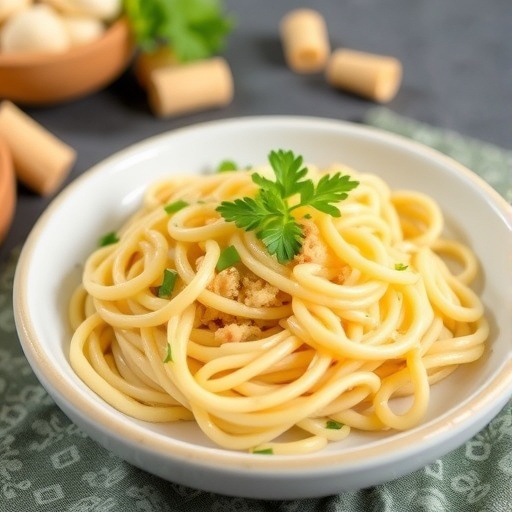
In the quest to enhance gluten-free culinary experiences, a groundbreaking study published in Food Science and Biotechnology introduces an innovative fusion of hydrocolloids, dietary fibers, and bioactive compounds to revolutionize gluten-free noodle production. This research addresses critical challenges faced by individuals who require gluten-free diets, offering promising sensory and nutritional advancements that could redefine gluten-free foods’ future.
The deficiency of gluten in traditional gluten-free products often results in unsatisfactory texture, structural integrity, and mouthfeel. Gluten, a protein complex found in wheat, is pivotal in imparting elasticity and firmness to noodles. Without it, gluten-free noodles commonly suffer from brittleness, poor chewiness, and rapid staling. Researchers led by Oluwole et al. have crafted an integrative approach that leverages the unique properties of hydrocolloids—natural polymers capable of mimicking gluten’s function—to restore desirable textural qualities in noodles devoid of gluten.
Hydrocolloids such as xanthan gum, guar gum, and carrageenan are known for their water-binding capacities and ability to form gels, which can simulate the cohesive matrix provided by gluten networks. This study discerned optimal concentrations and combinations of these hydrocolloids, achieving noodle textures that approach those of traditional wheat-based counterparts. Remarkably, this approach reduces reliance on chemical additives, positioning hydrocolloids as natural texturizing agents that align with increasing consumer demand for clean-label products.
Alongside hydrocolloids, the researchers integrated insoluble and soluble fibers extracted from various botanical sources. These fibers serve dual purposes: enhancing nutritional value and positively influencing dough rheology. Dietary fibers improve water retention and dough viscoelasticity, enabling better handling during production and improving the noodle’s cooking properties. Additionally, fibers contribute to satiety and gastrointestinal health, addressing common nutritional gaps in gluten-free diets.
The introduction of bioactive compounds is perhaps the most transformative facet of this study. Bioactive phytochemicals like polyphenols, flavonoids, and carotenoids were incorporated into the noodle matrix to elevate antioxidant capacity and confer additional health benefits beyond basic nutrition. These compounds have been linked to reductions in oxidative stress and inflammation, highlighting their potential role in promoting overall wellness through everyday food consumption.
To maintain the delicate balance between functional ingredient integration and sensory quality, the team employed advanced formulation techniques, including pre-gelatinization, extrusion processing, and pH optimization. These methods ensured the stability and bioavailability of bioactive compounds and maintained an agreeable flavor profile, crucial for consumer acceptance. The intricate process maps developed in this study provide a blueprint for manufacturers seeking to upscale gluten-free noodle production without compromising quality.
Comprehensive rheological assessments elucidated how hydrocolloids and fibers interact synergistically to recreate the viscoelastic properties of gluten-containing doughs. Dynamic oscillatory rheometry highlighted the improved elasticity, cohesiveness, and structural resilience of the restructured doughs. Moreover, thermal analysis demonstrated that these modifications also enhance the noodles’ resistance to cooking-induced degradation, extending shelf-life and improving consumer satisfaction.
Beyond texture and cooking performance, sensory evaluations played a vital role in validating the success of the new formulations. Consumer panels reported marked improvements in chewiness, springiness, and overall mouthfeel compared to conventional gluten-free noodles. This sensory convergence with traditional wheat noodles signifies a monumental leap in gluten-free product development, promising an inclusive culinary experience that does not compromise quality.
Nutritional profiling further distinguished these next-generation noodles, revealing elevated fiber content, lower glycemic indices, and enhanced antioxidant scavenging activity. These attributes align with current nutrition science advocating for diets rich in whole fibers and bioactive nutrients to mitigate chronic disease risks. The noodles thus serve a dual purpose—offering safe, gluten-free sustenance while contributing to long-term health benefits.
The innovative research also addressed industrial scalability by examining ingredient sourcing, cost implications, and process adaptability within existing production lines. The utilization of commonly available hydrocolloids and fibers ensures economic feasibility. Additionally, the streamlined integration of bioactive compounds into standard noodle manufacturing processes facilitates seamless adoption, encouraging widespread commercial application.
Environmental sustainability considerations form an underlying theme throughout the research. The selection of plant-derived, sustainable ingredients coupled with energy-efficient processing aligns with global trends toward eco-conscious food systems. This strategy simultaneously caters to environmentally aware consumers and supports industry efforts to reduce carbon footprints while enhancing product quality.
Further exploration into personalized nutrition emerges as a compelling avenue inspired by this study. The tailored integration of bioactive compounds targeting specific health outcomes—such as anti-inflammatory or cardiovascular support—opens prospects for precision gluten-free products that transcend basic dietary exclusion. This paradigm could redefine conventional gluten-free foods as functional, health-promoting staples.
The research concluded with recommendations for future studies to explore long-term storage stability, interactions with additional fortifying agents (such as probiotics), and potential allergenic responses. Such investigations would refine and expand the applicability of the developed noodles, ensuring they meet diverse dietary requirements and regulatory standards while maintaining superior quality.
This pioneering work by Oluwole and colleagues signifies a significant leap in gluten-free food innovation. By marrying advanced food science with consumer-centric health imperatives, it charts a transformative course for gluten-free noodle manufacturing. Prospective consumers may soon enjoy gluten-free noodles that not only replicate traditional wheat-based experiences but also elevate nutritional health.
The integration of hydrocolloids, fibers, and bioactive compounds redefines the benchmarks of gluten-free products, dismantling historical limitations related to texture, nutrition, and sensory satisfaction. This research showcases a future where gluten-free noodles are no longer a compromise but a gourmet, healthful choice capable of captivating a broad audience.
As dietary restrictions become increasingly prominent worldwide, innovations such as these will be instrumental in shaping resilient, inclusive food systems. The approach pioneered here exemplifies how multidisciplinary food science can bridge the gap between nutritional necessity and sensory delight, heralding a new era of next-generation gluten-free foods that resonate with health-conscious consumers globally.
Subject of Research: Development of advanced gluten-free noodles using hydrocolloids, dietary fibers, and bioactive compounds for improved texture, nutrition, and sensory attributes.
Article Title: Next-generation gluten-free noodles: integration of hydrocolloids, fibers, and bioactive compounds.
Article References:
Oluwole, O.S., Mohd Said, F., Daud, N.F.S. et al. Next-generation gluten-free noodles: integration of hydrocolloids, fibers, and bioactive compounds. Food Sci Biotechnol (2026). https://doi.org/10.1007/s10068-025-02081-w
Image Credits: AI Generated
DOI: 12 January 2026
Tags: bioactive compounds in foodchallenges in gluten-free dietsdietary fibers for noodlesenhancing noodle texture without glutengluten-free culinary innovationsguar gum applications in foodhydrocolloids in gluten-free cookingimproving sensory qualities of gluten-free foodsnatural texturizing agents for pastanext-gen gluten-free noodlesresearch on gluten-free noodle productionxanthan gum in gluten-free products



