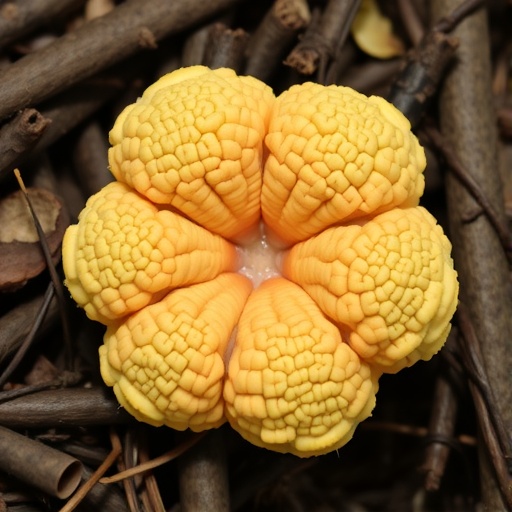
In a groundbreaking discovery within the context of mycology, researchers Ramkrishna, Negi, and Pandey unveil the existence of a new fungal species, Trichoderma frianum, from the rich biodiversity of India. This novel organism emerges as a significant addition to the renowned Trichoderma harzianum species complex, specifically classified within the Harzianum clade. This discovery not only enhances our understanding of fungal diversity but also has implications that could extend to agricultural practices and biotechnological applications.
The Trichoderma genus is characterized by its ecological versatility and myriad of interactions with both plant and soil microbiomes. Known for its application in biocontrol and plant growth promotion, Trichoderma species often play a vital role in sustainable agriculture. With the identification of T. frianum, scientists are provided with new avenues to explore how this species may contribute to these functions, thus opening potential paths toward improving crop health and yields.
In this detailed study published in the International Microbiology journal, the authors utilized a multi-faceted approach combining molecular phylogenetics, morphological characterization, and ecological assessments. Utilizing advanced sequencing techniques, they were able to accurately delineate T. frianum from other closely related species within the Harzianum clade. Such meticulous scientific methods underscore the rigor involved in species identification and classification, particularly in a genus as widely studied as Trichoderma.
Notably, the isolation of T. frianum from specific ecological niches in India adds a broader context to the ongoing exploration of fungal diversity across different global regions. This geographical context plays a crucial role in understanding the evolutionary trajectories of fungal species and their adaptive characteristics. Given India’s rich and varied climate, the discovery of T. frianum represents not only a significant finding for local ecosystems but may also influence global perspectives on fungal biodiversity.
The morphological distinctiveness of T. frianum is supported by detailed observations made under microscopic examination. The researchers documented unique traits that differentiate this species from its relatives, including specific conidia shapes and arrangement patterns crucial for mycologists and agronomists alike. Such morphological details are fundamental, as they form the basis upon which future studies may identify and classify further new species emerging from similar habitats.
Moreover, the ecological role of T. frianum is yet another area ripe for exploration. Its potential interactions with soil and plant microbes hint at a possible involvement in nutrient cycling, disease resistance, and overall soil health. As the world increasingly turns to sustainable agricultural practices, understanding how T. frianum can be harnessed may have far-reaching implications for ecological management and crop resiliency.
In light of recent challenges posed by climate change and ecological degradation, findings such as those presented in this study are vital. They illuminate the possibilities of harnessing biological resources like T. frianum as natural alternatives to chemical fertilizers and pesticides. The sustainable practices rooted in the functionality of such beneficial fungi can pave the way for enhancing food security and environmental health.
Furthermore, the study’s implications extend beyond agriculture. Trichoderma species are known for producing a variety of secondary metabolites that may possess antifungal, antibacterial, and even antiviral properties. Understanding the biochemical pathways of T. frianum could lead to the discovery of novel compounds with therapeutic potential. This highlights the multifaceted benefits that await exploration within this new species and the importance of ongoing research in mycology.
Another essential aspect of this discovery is the collaborative nature of scientific research. The effective partnership among the researchers underscores the importance of interdisciplinary dialogue in advancing our understanding of mycological sciences. The combined expertise not only led to the successful identification of T. frianum but also enhances the overall scientific community’s ability to address the pressing interconnected challenges posed by environmental changes.
As this research garners attention, it is crucial for the scientific community and the public to remain informed about the implications of such discoveries. The ecological resonances of one new species can often reflect broader environmental trends, reminding us of the delicate balance inherent in our ecosystems. This awareness is imperative as it feeds into conservation efforts aimed at preserving biodiversity in both fungal and other biological domains.
In conclusion, the discovery of Trichoderma frianum stands as a testament to the richness of India’s biodiversity and the potential hidden within its ecosystems. As researchers continue to delve into the complexities of fungal species, every new finding amplifies our understanding of nature’s intricate web. The future of agriculture and environmental stewardship alike may benefit greatly from the insights gained through studies such as these, heralding an age of biologically-informed sustainable practices.
In essence, T. frianum is not merely a name added to a taxonomic list; it embodies hope for ecological resilience, sustainable agriculture, and the therapeutic avenues that await exploration. This discovery inspires a call to action for continued research, fostering a greater appreciation for the diverse life forms that share our planet.
Subject of Research:
Trichoderma frianum sp. nov. and its implications in the Trichoderma harzianum species complex.
Article Title:
Discovery of Trichoderma frianum sp. nov. from India: a new member of the Trichoderma harzianum species complex (Harzianum clade).
Article References:
Ramkrishna, Negi, N. & Pandey, S. Discovery of Trichoderma frianum sp. nov. from India: a new member of the Trichoderma harzianum species complex (Harzianum clade). Int Microbiol (2025). https://doi.org/10.1007/s10123-025-00728-6
Image Credits:
AI Generated
DOI:
18 December 2025
Keywords:
Trichoderma, fungal diversity, sustainable agriculture, ecological interactions, biocontrol, biodiversity, mycology.
Tags: advanced sequencing in mycologybiocontrol in agriculturebiodiversity in Indiacrop health and yield improvementecological versatility of fungifungal interactions with microbiomesmolecular phylogenetics techniquesmycology research advancementsnew fungal species identificationsustainable agriculture practicesTrichoderma frianum discoveryTrichoderma harzianum complex