


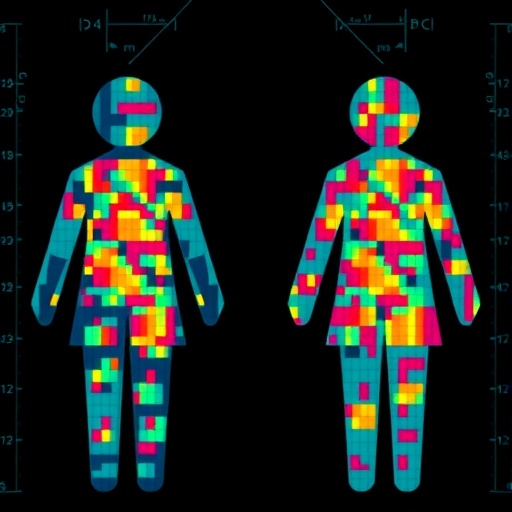
In a groundbreaking development in the field of genomics, researchers Tung and Lin have introduced an innovative visualization tool designed specifically to illuminate the intricate world of individual gene expression profiles in males and females across various tissues, as examined through the Genotype-Tissue Expression (GTEx) project. This powerful tool marks a significant advancement in the way scientists can study and interpret gene expression data, catering not only to professionals in the field but also to educators, students, and the general public.
The GTEx project itself is a monumental effort aimed at elucidating the relationship between genetic variation and gene expression across diverse human tissues. By leveraging data from hundreds of donors, the project has amassed one of the largest collections of human gene expression data, thereby providing invaluable insights into how genes are expressed differently in different sexes and tissues. Tung and Lin’s tool capitalizes on this massive dataset, allowing for nuanced visual interpretation that aids in grasping the biological significance behind the numbers.
At the heart of this innovative tool is its user-friendly interface, which allows users to explore gene expression data interactively. This interactivity transforms the often-daunting task of analyzing genomic data into a dynamic experience. Users can compare individual gene expression profiles between males and females effortlessly, unveiling patterns that could have profound implications for understanding sex-based differences in health and disease. The absence of such accessible tools has long been a barrier in the field, and this new application aims to dismantle that barrier.
The visualization tool is built upon advanced algorithms that not only display raw data but also contextualize it within a broader biological framework. By employing multi-dimensional scaling techniques, the platform presents gene expression profiles in a way that highlights clusters and outliers. This type of analysis can help researchers identify potential biomarkers for diseases that manifest differently in males and females. It adds a layer of depth that is crucial for developing targeted therapies and personalized medicine strategies.
Furthermore, the tool is equipped with the ability to filter and sort data based on various parameters, making it highly adaptable for researchers with specific interests. For instance, a researcher focusing on a particular set of tissues or genes can easily tailor the visualization to their needs, enhancing the likelihood of discovering important insights. In a field where nuanced disparities can lead to significant health outcomes, this functionality proves essential for advancing gender-specific research.
In tandem with the visualization capabilities, Tung and Lin included features that facilitate collaborative research. The tool supports sharing data sets and visualizations, allowing different teams to work together seamlessly, regardless of their geographical location. This collaborative aspect is particularly timely, given the increasing trend toward open science and data sharing in the research community. Scientists can now engage in joint ventures that may lead to breakthroughs in understanding complex diseases such as cancer, which often display different metabolic pathways in men and women.
The implications of this research tool extend beyond academia. Educators may find it beneficial for teaching students about gene expression and its relevance in real-world scenarios. By incorporating this tool into curricula, teachers can inspire future generations of scientists to explore the depths of genomics in an engaging manner. Thus, Tung and Lin’s work not only contributes to current research but also invests in the future of scientific discovery.
As the scientific community grapples with the challenges posed by increasing complexity in genetic data, visualization tools like the one developed by Tung and Lin are set to become essential fixtures in research laboratories worldwide. One significant challenge in genomics is the sheer volume of data generated, which can lead to analysis paralysis for many researchers. However, through intuitive visualization and analysis features, this tool offers a pathway forward, reducing the ambiguity that often accompanies large data sets.
The demand for gender-based analysis in biomedical research has never been greater. Differences in drug metabolism and response can vary based on sex, leading to disparities in treatment efficacy. By unveiling gene expression profiles specific to males and females, Tung and Lin’s tool provides an avenue for addressing these disparities head-on. It stands to reason that more informed decisions can be made in the design of clinical trials and the development of pharmaceuticals tailored to gender-specific needs.
Moreover, as genomics continues to integrate with other fields, such as artificial intelligence and machine learning, this visualization tool may pave the way for new interdisciplinary approaches. The combination of genomic data with AI could enable the development of predictive models that not only personalize treatment, but also foresee potential health issues based on genetic predisposition.
In conclusion, the visualization tool created by Tung and Lin for individual gene expression profiles is a game changer in the landscape of genomic research. It encapsulates the essence of modern scientific inquiry: making complex data accessible, understandable, and usable. As the field continues to evolve, tools that foster collaboration, enhance understanding, and streamline data analysis will be crucial. This groundbreaking research reveals how, through innovative technology, we can begin to unravel the complexities of gene expression and their implications for health and disease, ultimately leading to improved outcomes for individuals across the gender spectrum.
Through the release of this tool, Tung and Lin not only contribute to immediate research outcomes but also set a precedent for future developments in data visualization. The journey of exploring gene expression just became a bit clearer, thanks to their efforts. The scientific community eagerly anticipates the findings that will emerge from enhanced analysis and deeper understanding, which will undoubtedly catalyze a new wave of discovery in gender-based health research.
Subject of Research: Development of a visualization tool for individual gene expression profiles among males and females in GTEx tissues.
Article Title: A visualization tool for individual gene expression profiles among males and females in GTEx tissues.
Article References:
Tung, KF., Lin, Wc. A visualization tool for individual gene expression profiles among males and females in GTEx tissues.
Biol Sex Differ (2025). https://doi.org/10.1186/s13293-025-00796-3
Image Credits: AI Generated
DOI: 10.1186/s13293-025-00796-3
Keywords: Gene expression, GTEx, visualization tool, males, females, genomics, biomedical research, data analysis, personalized medicine.
Tags: advancements in genomics researcheducational tools for gene expressiongender-specific gene expression analysisgene expression visualization toolGenotype-Tissue Expression projectinsights from human gene expression datainteractive genomic data explorationmale and female gene expression differencespublic engagement in genomics researchtissue-specific gene expression profilesuser-friendly genomic interfacesvisual interpretation of genetic variation



