• HOME
  • NEWS
  • EXPLORE
    • CAREER
      • Companies
      • Jobs
    • EVENTS
    • iGEM
      • News
      • Team
    • PHOTOS
    • VIDEO
    • WIKI
  • BLOG
  • COMMUNITY
    • FACEBOOK
    • INSTAGRAM
    • TWITTER
Saturday, February 7, 2026
BIOENGINEER.ORG
No Result
View All Result
  • Login
  • HOME
  • NEWS
  • EXPLORE
    • CAREER
      • Companies
      • Jobs
        • Lecturer
        • PhD Studentship
        • Postdoc
        • Research Assistant
    • EVENTS
    • iGEM
      • News
      • Team
    • PHOTOS
    • VIDEO
    • WIKI
  • BLOG
  • COMMUNITY
    • FACEBOOK
    • INSTAGRAM
    • TWITTER
  • HOME
  • NEWS
  • EXPLORE
    • CAREER
      • Companies
      • Jobs
        • Lecturer
        • PhD Studentship
        • Postdoc
        • Research Assistant
    • EVENTS
    • iGEM
      • News
      • Team
    • PHOTOS
    • VIDEO
    • WIKI
  • BLOG
  • COMMUNITY
    • FACEBOOK
    • INSTAGRAM
    • TWITTER
No Result
View All Result
Bioengineer.org
No Result
View All Result
Home NEWS Science News Biology

New study ‘sheds light’ on sun’s role in mitigating…

Bioengineer by Bioengineer
January 24, 2018
in Biology, Science News
Reading Time: 2 mins read
0
Share on FacebookShare on TwitterShare on LinkedinShare on RedditShare on Telegram
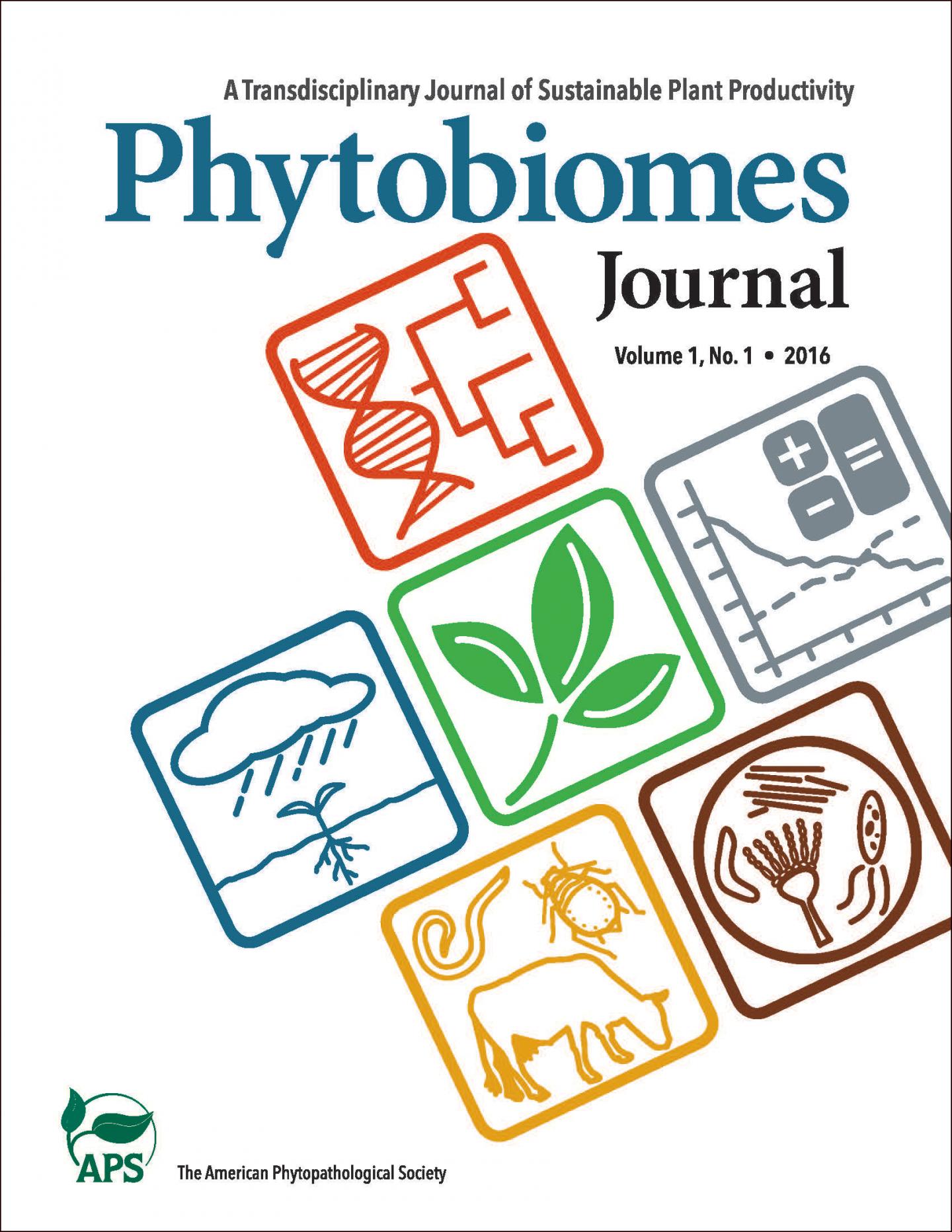
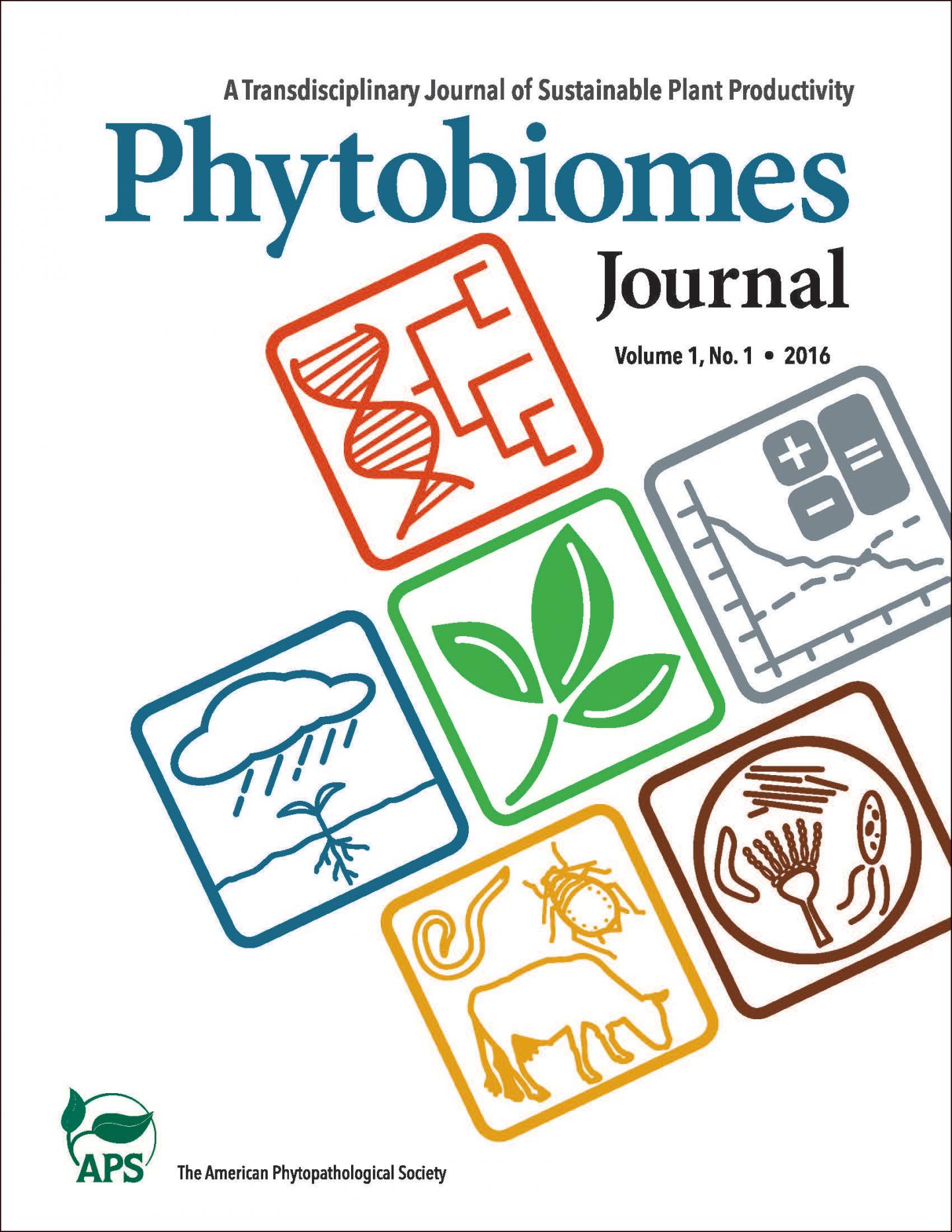
IMAGE

Credit: The American Phytopathological Society

St. Paul, Minn. (November 2017)–Mango fruits play host to some economically damaging fungal diseases, especially during ripening and storage; but mango growers and suppliers have a new ray of hope…in the form of sunlight.

In a recent Phytobiomes journal article, Noam Alkan and colleagues at the Agricultural Research Organization, Volcani Center in Israel show some promising new research that explores the role of sunlight in boosting the levels of beneficial microorganisms in mango fruits to combat stem end rot.

The research, discussed through their article titled, "Microbiome Alterations Are Correlated with Occurrence of Postharvest Stem-End Rot in Mango Fruit," offers a detailed account of their study.

Diskin and colleagues showed that high sunlight exposure in an orchard has the effect of turning the mango's skin red. Mango fruits with less sunlight exposure remain green. Using a novel deep sequencing technique, they studied the dynamics in the microbial and fungal community inside the stem end tissues of both red and green mango fruits during storage.

They found that both fungal and bacterial community changes were dependent on fruit peel color, storage duration, and storage temperature.

The pathogens commonly associated with stem end rot, Alternaria alternata and Lasiodiplodia theobromae, colonize the phloem of the fruit's stem end. As the fruit ripen, they switch to a pathogenic stage and branch into the fruit's softer internal tissue. Colonies of yeast, bacteria, and other fungi that do not cause symptoms were also found.

"Interestingly, exposure to sunlight in the orchard contributed to a 'healthier composition' of fungi and bacteria communities and therefore reduced postharvest rots, while long storage reduced the community variation and led to more pathogenic fungi and rots," said Alkan. "Thus, in fruit that were not exposed to sunlight or in fruits stored for long period, we found an increase in specific pathogenic fungi and an increase in bacteria that are known to degrade fungal cell walls."

The researchers also discovered a diverse and dynamic microbial communities that not only contained pathogenic microorganisms but beneficial ones that one day could be used in agriculture, the food industry and biomedicine.

"This is one of the first articles to offer a deep insight into microbiome of harvested fruits," said Alkan. "We believe that healthier microbial composition is going to be a major topic of interest to everyone dealing with food safety and food waste in the near future."

###

Media Contact

Phil Bogdan
[email protected]
651-994-3859

http://www.apsnet.org

Related Journal Article

http://dx.doi.org/10.1094/PBIOMES-05-17-0022-R
Share12Tweet8Share2ShareShareShare2

Related Posts

Decoding Prostate Cancer Origins via snFLARE-seq, mxFRIZNGRND

February 7, 2026

Digital Health Perspectives from Baltic Sea Experts

February 7, 2026

Florida Cane Toad: Complex Spread and Selective Evolution

February 7, 2026

Exploring Decision-Making in Dementia Caregivers’ Mobility

February 7, 2026
Please login to join discussion

POPULAR NEWS

  • Robotic Ureteral Reconstruction: A Novel Approach

    Robotic Ureteral Reconstruction: A Novel Approach

    82 shares
    Share 33 Tweet 21
  • Digital Privacy: Health Data Control in Incarceration

    63 shares
    Share 25 Tweet 16
  • Study Reveals Lipid Accumulation in ME/CFS Cells

    57 shares
    Share 23 Tweet 14
  • Breakthrough in RNA Research Accelerates Medical Innovations Timeline

    53 shares
    Share 21 Tweet 13

About

We bring you the latest biotechnology news from best research centers and universities around the world. Check our website.

Follow us

Recent News

Decoding Prostate Cancer Origins via snFLARE-seq, mxFRIZNGRND

Digital Health Perspectives from Baltic Sea Experts

Florida Cane Toad: Complex Spread and Selective Evolution

Subscribe to Blog via Email

Enter your email address to subscribe to this blog and receive notifications of new posts by email.

Join 73 other subscribers
  • Contact Us

Bioengineer.org © Copyright 2023 All Rights Reserved.

Welcome Back!

Login to your account below

Forgotten Password?

Retrieve your password

Please enter your username or email address to reset your password.

Log In
No Result
View All Result
  • Homepages
    • Home Page 1
    • Home Page 2
  • News
  • National
  • Business
  • Health
  • Lifestyle
  • Science

Bioengineer.org © Copyright 2023 All Rights Reserved.