• HOME
  • NEWS
  • EXPLORE
    • CAREER
      • Companies
      • Jobs
    • EVENTS
    • iGEM
      • News
      • Team
    • PHOTOS
    • VIDEO
    • WIKI
  • BLOG
  • COMMUNITY
    • FACEBOOK
    • INSTAGRAM
    • TWITTER
Friday, April 10, 2026
BIOENGINEER.ORG
No Result
View All Result
  • Login
  • HOME
  • NEWS
  • EXPLORE
    • CAREER
      • Companies
      • Jobs
        • Lecturer
        • PhD Studentship
        • Postdoc
        • Research Assistant
    • EVENTS
    • iGEM
      • News
      • Team
    • PHOTOS
    • VIDEO
    • WIKI
  • BLOG
  • COMMUNITY
    • FACEBOOK
    • INSTAGRAM
    • TWITTER
  • HOME
  • NEWS
  • EXPLORE
    • CAREER
      • Companies
      • Jobs
        • Lecturer
        • PhD Studentship
        • Postdoc
        • Research Assistant
    • EVENTS
    • iGEM
      • News
      • Team
    • PHOTOS
    • VIDEO
    • WIKI
  • BLOG
  • COMMUNITY
    • FACEBOOK
    • INSTAGRAM
    • TWITTER
No Result
View All Result
Bioengineer.org
No Result
View All Result
Home NEWS Science News Biology

New paper addresses human/wildlife conflict through use of social and ecological theory

Bioengineer by Bioengineer
August 22, 2018
in Biology
Reading Time: 1 min read
0
Share on FacebookShare on TwitterShare on LinkedinShare on RedditShare on Telegram
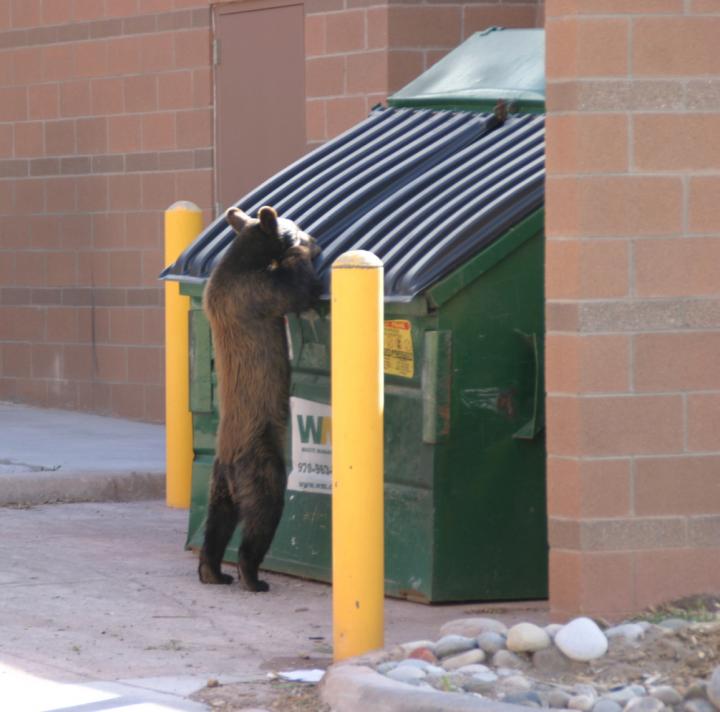
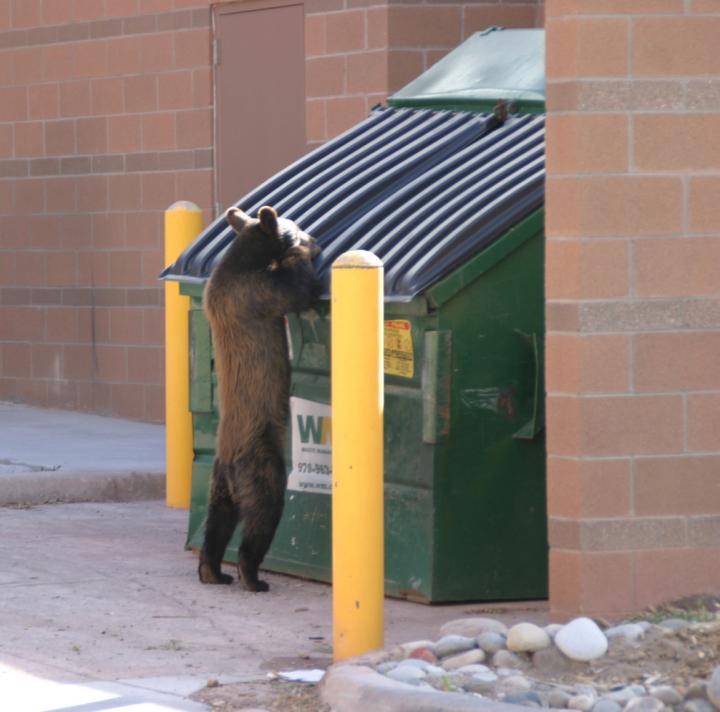
IMAGE

Credit: S. Lischka

FORT COLLINS, Colorado (August 22, 2018) — Successfully limiting human-wildlife conflicts requires an understanding of the roles of both animal and human behavior. However, it is difficult to understand both of these things, because researchers struggle to collect data that is similar, communicate with other specialties, and apply information about human behavior to conservation actions.

To address these challenges, researchers from WCS and other groups suggest a set of concepts that come from social and ecological theory which will help researchers understand the relationship between human and animal behavior and how they cause conflicts.

In a new paper in the journal Biological Conservation, the researchers apply their approach to understand human-black bear conflicts in Durango, Colorado. They suggest that incorporating efforts to understand humans throughout the research process, collecting information about people and animals in the same place and time, and exploring what drives people and animals to act, will help conservation researchers and practitioners better understand how to address human-wildlife conflicts.

###

Media Contact

John Delaney
[email protected]
718-220-3275
@TheWCS

http://www.wcs.org

Related Journal Article

http://dx.doi.org/10.1016/j.biocon.2018.06.020

Share12Tweet8Share2ShareShareShare2

Related Posts

Stem Cell Reports Names Hongmei Wang as New Associate Editor

Stem Cell Reports Names Hongmei Wang as New Associate Editor

April 10, 2026
Research Reveals Wildlife Trade Increases Risk of Disease Transmission to Humans

Research Reveals Wildlife Trade Increases Risk of Disease Transmission to Humans

April 9, 2026

Oxygen’s Role Uncovered: Key Factor in Limb Regeneration Revealed

April 9, 2026

Ancient Mammal Ancestor’s Secret Unveiled: First-Ever Egg Discovered

April 9, 2026
Please login to join discussion

POPULAR NEWS

  • Boosting Breast Cancer Risk Prediction with Genetics

    45 shares
    Share 18 Tweet 11
  • Popular Anti-Aging Compound Linked to Damage in Corpus Callosum, Study Finds

    44 shares
    Share 18 Tweet 11
  • Imagine a Social Media Feed That Challenges Your Views Instead of Reinforcing Them

    1012 shares
    Share 400 Tweet 250
  • Revolutionary Theory Transforms Quantum Perspective on the Big Bang

    40 shares
    Share 16 Tweet 10

About

We bring you the latest biotechnology news from best research centers and universities around the world. Check our website.

Follow us

Recent News

NAT10 Drives Cisplatin Resistance, Immune Escape in Gastric Cancer

Short Survey Enables Tracking of Health Literacy Variations Among Finnish Adults

Plant-Based Diet Linked to Increased Mycotoxin Exposure?

Subscribe to Blog via Email

Success! An email was just sent to confirm your subscription. Please find the email now and click 'Confirm' to start subscribing.

Join 78 other subscribers
  • Contact Us

Bioengineer.org © Copyright 2023 All Rights Reserved.

Welcome Back!

Login to your account below

Forgotten Password?

Retrieve your password

Please enter your username or email address to reset your password.

Log In
No Result
View All Result
  • Homepages
    • Home Page 1
    • Home Page 2
  • News
  • National
  • Business
  • Health
  • Lifestyle
  • Science

Bioengineer.org © Copyright 2023 All Rights Reserved.