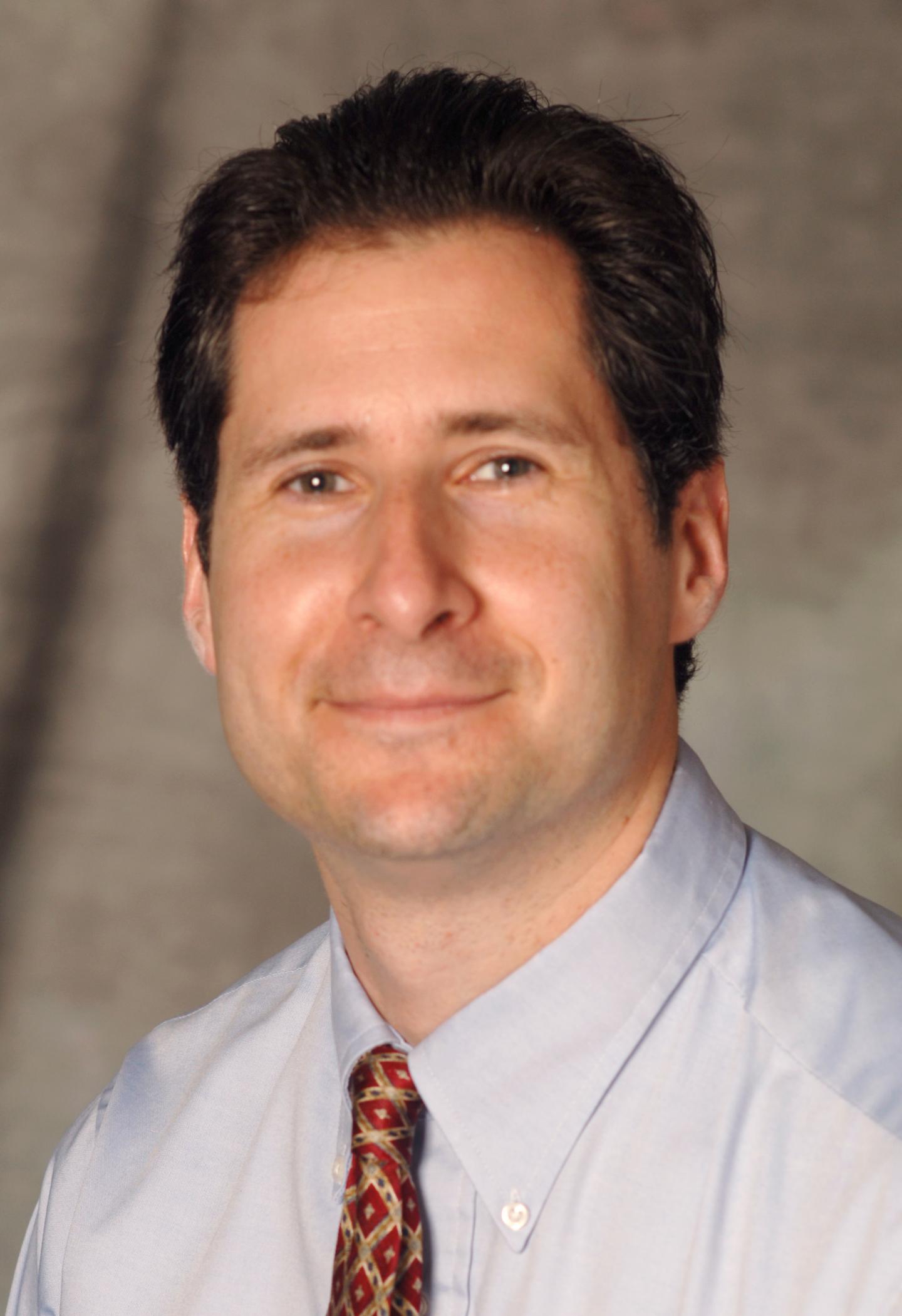
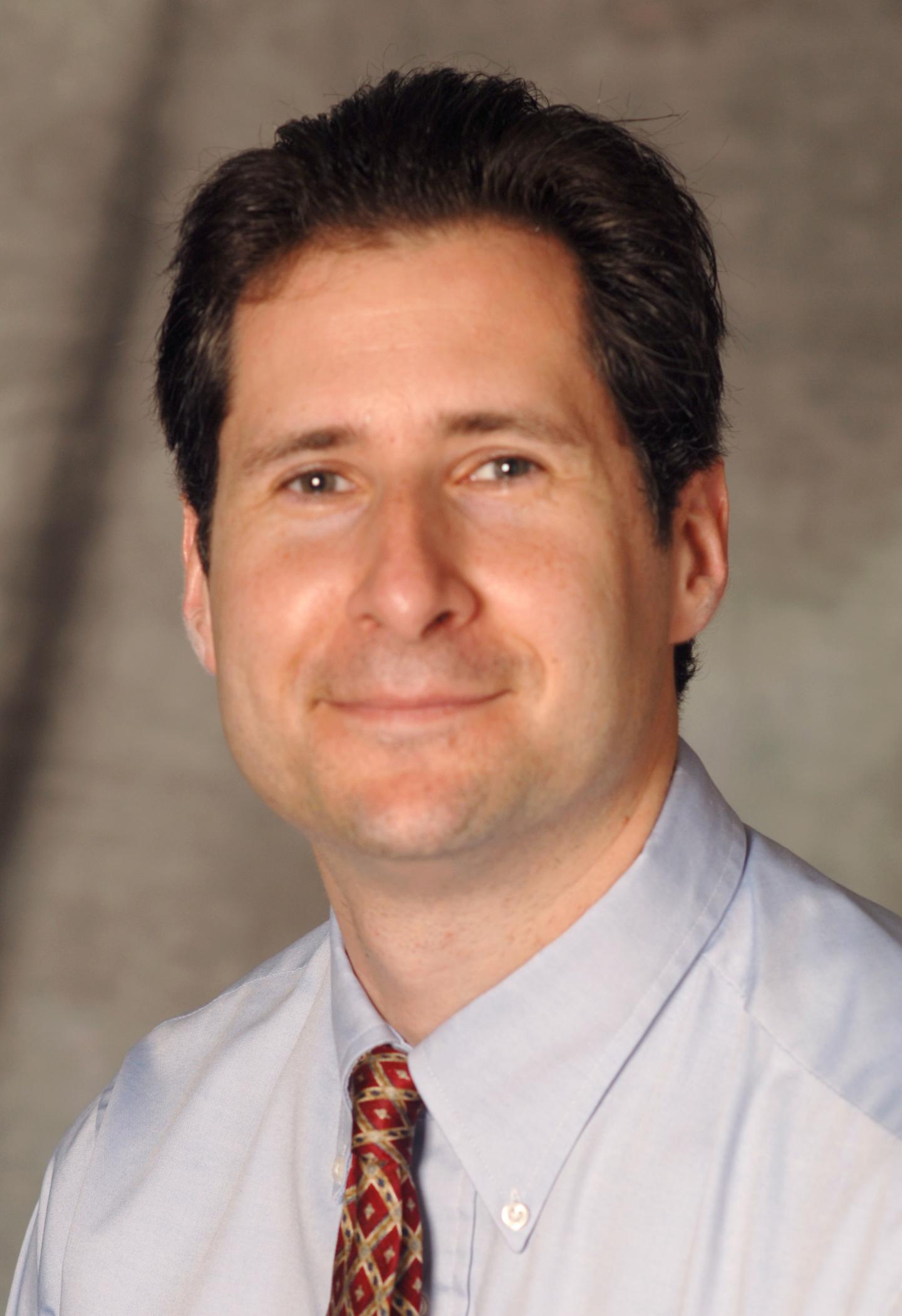
Credit: Beth Israel Deaconess Medical Center
BOSTON – The Universal Genomics Instructor Handbook and Toolkit – a new, free educational resource designed to educate clinicians in all medical specialties in genomic medicine – is now available to improve physician genomic education worldwide.
Developed by a team led by Richard L. Haspel, MD, PhD, Pathologist at Beth Israel Deaconess Medical Center (BIDMC) and Associate Professor of Pathology at Harvard Medical School, the handbook and accompanying online toolkit were developed through funding from The National Human Genome Research Institute (NHGRI), one of the 27 institutes and centers at the National Institute of Health. The resources can be downloaded for free at http://www.pathologylearning.org/trig.
The program builds on a genomic pathology curriculum created at BIDMC and then further developed by the Training Residents in Genomics (TRIG) Working Group – made up of experts in medical education, molecular pathology and clinical genetics formed through the Pathology Residency Directors Section of the Association of Pathology Chairs.
While the TRIG materials were geared towards pathologists, the Universal Toolkit can be adapted to any specialty. With these "plug and play" exercises, genes and diseases can be added to provide specialty-specific education so all health-care providers can have introductory training in genomic medicine.
"Genomics has transformed medicine over the last decade," said Haspel. "As almost every physician will have to manage issues related to genomic testing, it is critical that they have some knowledge in this area."
Utilizing a team-based learning approach, the curriculum guides students through four exercises: Single Gene Testing; Use of Multigene Assays; Whole-Exome Sequencing; and Polygenic Disease Testing and Pharmacogenomics. Rich with handouts, presentations and detailed instructions, the handbook and toolkit contain everything needed to assist in local workshop implementation.
Haspel and colleagues developed the materials as a part of their work with the Intersociety Coordinating Committee for Practitioner Education in Genomics (ISCC) with educational design support from the American Society for Clinical Pathology (ASCP). Demonstrating adaptability, the curriculum has been extensively vetted through highly successful workshops held at the American Academy of Neurology (AAN), American Heart Association (AHA) and American Academy of Ophthalmology (AAO) annual meetings.
"The Intersociety Coordinating Committee for Practitioner Education in Genomics is a unique group that enables individuals from diverse disciplines to discuss best practices and develop tools for genomics education," said Haspel, who is also co-chair of the ISCC. "Through this collaboration, we have produced the highest quality educational resource that can promote genomics training in a wide-variety of specialties."
"This toolkit makes it possible for clinicians in all specialties to have a structured, field tested introductory training in genomic medicine," said Jeffrey E. Saffitz, MD, PhD, Chief of the Department of Pathology at BIDMC.
###
This work was supported by a National Institutes of Health grant (R25CA168544).
Background on the ISCC
In 2013, the NHGRI assembled the ISCC from 23 professional societies, 15 other institutes at the NIH, and organizations interested in physician education to develop and share best practices in the use of genomics in medicine. The ISCC has published competencies and developed cases and webinars to promote health provider education in genomics. The ISCC is currently seeking additional members. For more information about the ISCC visit https://www.genome.gov/iscc.
About Beth Israel Deaconess Medical Center
Beth Israel Deaconess Medical Center is a patient care, teaching and research affiliate of Harvard Medical School and consistently ranks as a national leader among independent hospitals in National Institutes of Health funding.
BIDMC is in the community with Beth Israel Deaconess Hospital-Milton, Beth Israel Deaconess Hospital-Needham, Beth Israel Deaconess Hospital-Plymouth, Anna Jaques Hospital, Cambridge Health Alliance, Lawrence General Hospital, MetroWest Medical Center, Signature Healthcare, Beth Israel Deaconess HealthCare, Community Care Alliance and Atrius Health. BIDMC is also clinically affiliated with the Joslin Diabetes Center and Hebrew Rehabilitation Center and is a research partner of Dana-Farber/Harvard Cancer Center and the Jackson Laboratory. BIDMC is the official hospital of the Boston Red Sox. For more information, visit http://www.bidmc.org.
Media Contact
Teresa Herbert
[email protected]
617-667-7305
@BIDMCNews
http://www.bidmc.harvard.edu
Original Source
http://www.bidmc.org/News/PRLandingPage/2017/December/Haspel.aspx